
The new update to the ageing HFS+ file system will bring higher performance, better data integrity, and a vastly improved Time Machine.
Don’t worry it is not a step into the unknown APFS is already running on your iOS device (ipad,iphone etc).
When and if you upgrade your system to High Sierra (macOS 10.13), it will automatically during installation upgrade the file system to APFS on the system drive, the internal drive usually named Macintosh HD.
External drives and non system drives must be upgraded manually, via Disk Utility. Select the volume to be upgraded, left click, and the contextual menu has a Convert to APFS option.
Using FileVault? macOS will automagically convert it to APFS without decrypting your data. Your passwords and recovery keys will be preserved in the process.
So what’s it all about?
The file system scales from an Apple Watch to a Mac Pro. It uses 64-bit inode numbers, and allows for more secure storage. The APFS code, like the now 19 year old HFS+ code, uses the TRIM command for better space management and performance.
Clones
Clones allow the operating system to make efficient file copies on the same volume without occupying additional storage space. Changes to a cloned file are saved as deltas, reducing storage space required for document revisions and copies. More on Delta encoding can be read here: https://en.wikipedia.org/wiki/Delta_encoding
Snapshots
Apple File System snapshots a point-in-time, read-only instance of the file system. Rather like windows restore points, one of the better features of Windows and handy as it’s not as reliable as our beloved macOS, Snapshots are similar to clones, in that they preserve the state of the file system at a particular moment. APFS logs all the references and metadata and, using Copy On Write (COW), only writes newly changed blocks after the snapshot. Snapshots use less space than a complete copy would.
Time Machine
Time Machine is much improved with APFS’s snapshot capability, the TM software is much simpler and faster.No more slowing Mac while it completes a backup!
Encryption
Apple File System natively supports full disk encryption, and file encryption with the following options:
- No encryption
- Single-key encryption
- Multi-key encryption
Crash protection
Apple File System is designed to prevent metadata corruption caused by system crashes. Instead of overwriting existing metadata records in place, it writes entirely new records, points to the new ones and then releases the old ones. We’ve only really just scratched the surface here with the new file system for Macs , it promises to be a big update in terms of performance of macOS itself.
Read more at: https://www.apple.com/uk/newsroom/2017/06/macos-high-sierra-delivers-advanced-technologies-for-storage-video-and-graphics/ https://www.apple.com/macos/high-sierra-preview/
AI Usage Transparency Report
Pre-AI Era · Written before widespread use of generative AI tools
AI Signal Composition
Score: 0.05 · Low AI Influence
Summary
The new update to the ageing HFS+ file system will bring higher performance, better data integrity, and a vastly improved Time Machine.
Related Posts
The new Mac Pro Tower: Wheels optional
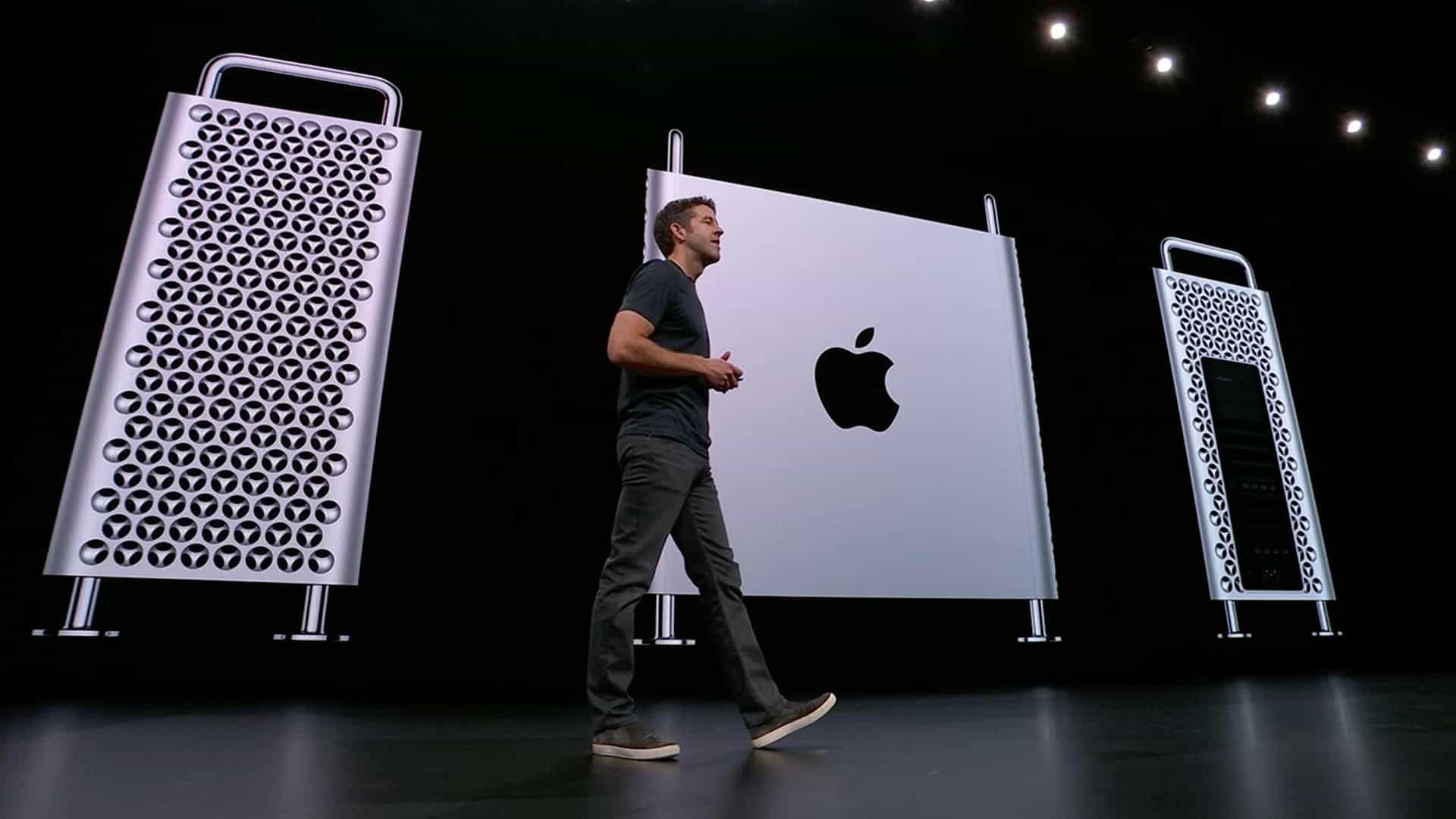
So happy to see that Apple is going back to its ability to allow users to upgrade and customize their Mac Pro tower experience. There was much much love for the old Cheese Grater style Mac Pro and many are still in use because of their overall upgradeability and customization. Not saying that the Trash Can approach was bad. It was in line with their motto, think different. Coming up with a new and unique approach to power computing.

MacOS 10.15 Catalina Releasing this Fall
Wow things move quickly from year to year. No surprise here. MacOS Catalina brings a whole new level of cool back to the Mac in my honest opinion. I am so happy that Apple has decided to break out iTunes into multiple apps. iTunes back in the day was so awesome, easy to use and simplistic. Now it tends to be a power hungry and semi confusing app to use as its the defacto app for everything. How about that annoying feature that automatically launched iTunes when your phone was...

Thanks to our wonderful clients for a great 2018
--- This year was a year of Growth here at Grove Technologies. Our company changed brand, re-defined its core strategy and competency. During this time of transition we learned a lot about what we want to accomplish moving forward and the new direction that we will be moving in. That said I want to thank all of the passionate and amazing clients that trust us with their technology. We are proud to be able to claim that we are helping further many social justice, climate and advocacy movements as well...
Back Up Before Upgrading to Mojave or iOS 12
Poll a room of Apple experts about the one topic they can't stop talking about and many will launch into frustrated rants about how too few people back up. Backups are always important, since you can never predict when your Mac or iPhone will be lost or stolen, melt in a fire, or just break. But one time when backups are especially important is before you upgrade to a major new operating system. If you're thinking "What could go wrong?" the answer is, "Lots," and wouldn't you like to be...
Top Features of iOS 12 to Take Advantage of Right Away
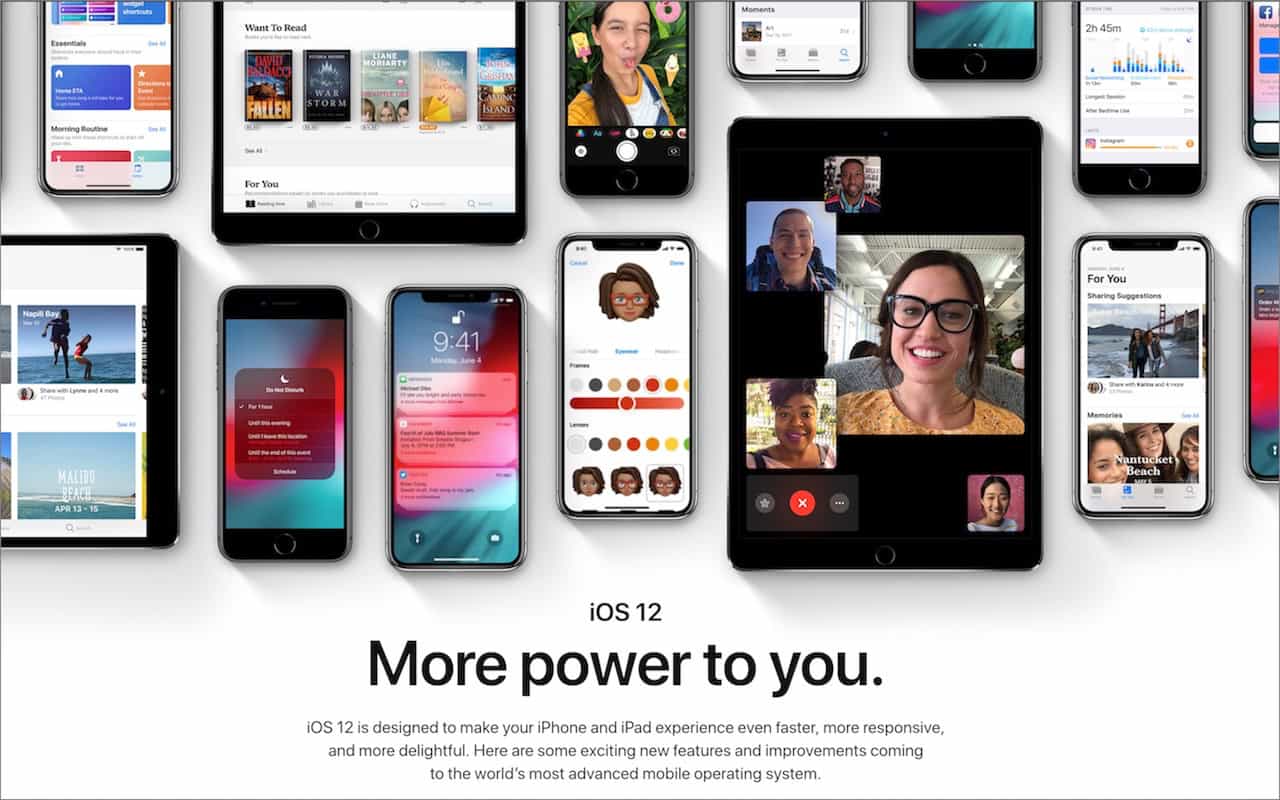
Feeling left behind because you don't have the latest iPhone or iPad? Don't worry, because Apple has a present for you in the form of iOS 12. The new operating system promises to increase performance, particularly for older devices as far back as the iPhone 5s and iPad Air. This means that your device will be able to run more smoothly and efficiently, making it feel like a newer model again.

Seriously Cool Features of macOS 10.14 Mojave You Won’t Want to Miss
With last year's macOS 10.13 High Sierra, Apple made no sweeping changes, instead focusing on refinements and bug fixes. In keeping with the company's alternating cycle of releases, this year's macOS 10.14 Mojave boasts a range of new features that build upon the previous version. As expected, these additions are incremental rather than revolutionary, allowing users to gradually adapt to the updated functionality without feeling overwhelmed by drastic changes.

When Should You Upgrade to macOS 10.14 Mojave, iOS 12, watchOS 5, and tvOS 12
When Should You Upgrade to macOS 10.14 Mojave, iOS 12, watchOS 5, and tvOS 12? --- It's that time of year again, when an Apple user's thoughts drift to new versions of macOS, iOS, watchOS, and tvOS. Apple announced the new versions in June, and public betas have been available since. But once Apple makes macOS 10.14 Mojave, iOS 12, watchOS 5, and tvOS 12 available for free download, you'll need to decide when to install each.
How to Deal with macOS Server Losing Many of Its Services
For many years, Apple has sold macOS Server (previously called OS X Server) for those who wanted to run various Unix-based Internet services on a Mac. Server became popular because it put an easy-to-use graphical interface on top of the Unix apps, allowing Mac users to avoid complicated configuration files and reducing the need to work at the command line. This made it accessible to a wider range of users, including those without extensive technical knowledge, who still wanted to manage their own servers.

Sneak Preview of What’s Coming from Apple This Fall
At Apple’s Worldwide Developer Conference keynote on June 4th, the company unveiled the first developer versions of all four of its operating systems: macOS 10.14 Mojave, iOS 12, watchOS 5, and tvOS 12. They won’t be available until this fall, likely in September or October, but here is a glimpse of what you can expect from these upcoming updates. The new features and improvements will be detailed further at the conference, giving developers a head start on preparing their apps for the new operating systems.
Apple Pay Is Faster, Easier, More Secure, and More Private Than Using Credit Cards
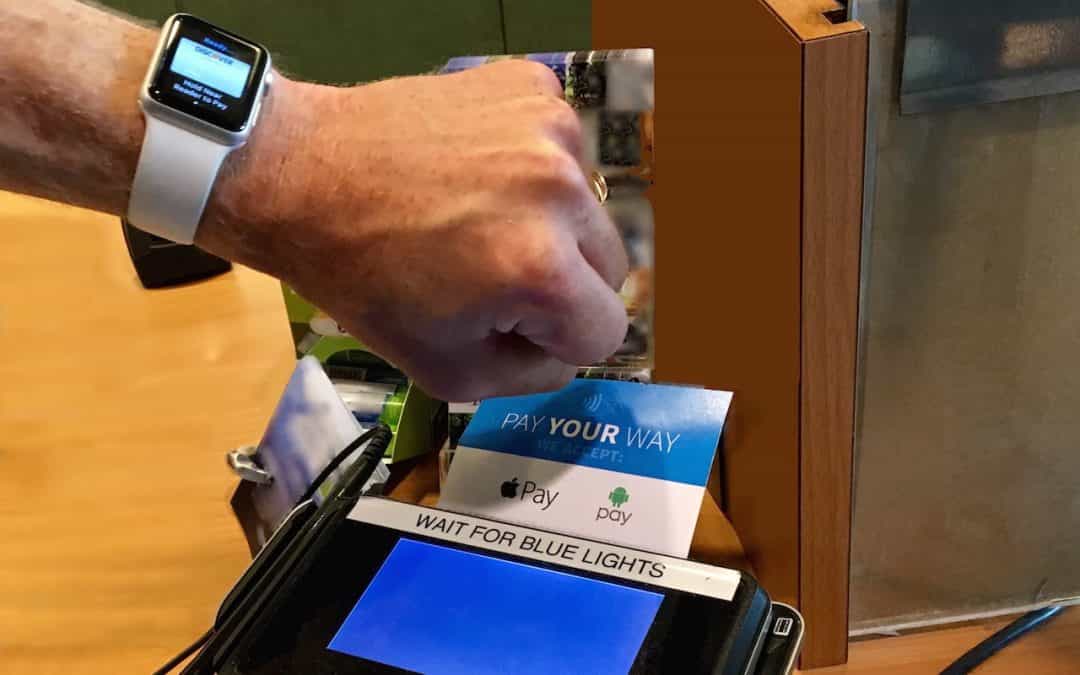
You’ve probably heard of Apple Pay, but have you set it up so you can use it to pay for purchases at checkout? If not, give it a try, since it’s one of those living-in-the-future Apple technologies that feels like science fiction every time you use it. Simply put your iPhone, iPad, or Apple Watch within an inch or so of a compatible payment terminal (look for an Apple Pay or contactless payment logo), put your finger on the Home button to use Touch ID (or double-press the iPhone’s side...