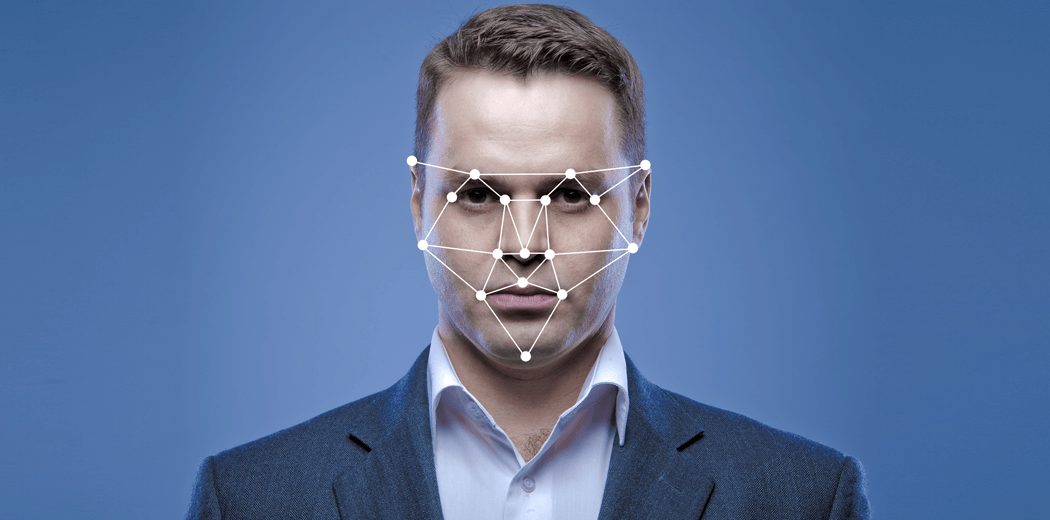

One of the most widely anticipated features in Apple’s new iPhone set to be released this fall is facial recognition, where the iPhone can recognize approaching people quickly. The advanced facial recognition technology is expected to replace existing Touch ID fingerprint scanner, approving quick log-ins and payments as well. The new software is also expected to work with third-party apps similar to TouchID and will recognize multiple faces.
The new iPhone 8 has an OLED screen, which makes it difficult to embed a Touch ID fingerprint scanner. Apple is expected to replace its popular Touch ID feature with a new facial recognition software. However, given that the company is still testing out this feature, it may not be announced in the first iPhone 8 product launch but later in the year, according to industry experts such as Ming-Chi Kuo of KGI Securities, known for giving accurate predictions regarding iPhones and other Apple products over the last decade. Some have speculated that Apple might move the sensor to the back of the device that is not OLED.
Earlier in July, Bloomberg had reported that Apple’s biometric facial recognition software would be able to authenticate a user within several hundred milliseconds. The report suggested that the new software would be able to recognize a person even if the iPhone was lying flat on a table and not directly in front of the person’s face.
Code discovered by developers in the new HomePod firmware also confirms this, where the iPhone 8’s new facial recognition system, labeled ‘Pearl’ is able to scan a person and unlock a device while resting on any flat surface. Thus, a user does not have to pick up the iPhone and aim the camera.
Irish developer Steve Stroughton-Smith confirmed reports by other developers that HomePod’s firmware revealed the existence of upcoming iPhone’s infra-red face unlocking features in the BiometricKit and elsewhere.
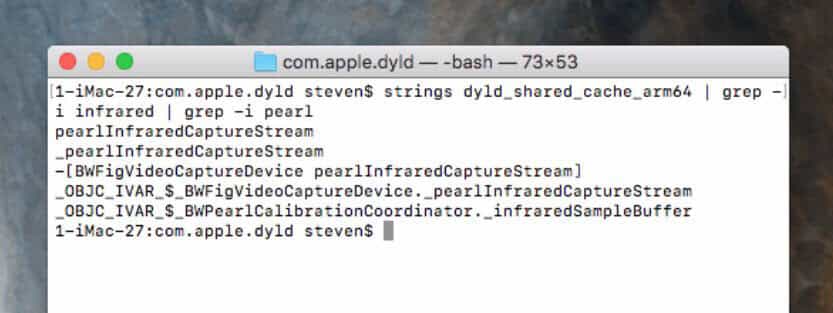

The code also references ‘multi biometrics,’ and a 1080p 240 camera capture ability with ‘FrontPearl’ and ‘BackPearl’ camera support, suggesting 240 fps video capture at 1080p. This is a significant upgrade from the current 720p limit.
The phrase ‘multi biometric’ suggests that the new iPhone may offer two-step biometric authentication in order to provide extra security. This would mean a combination of both facial recognition and fingerprint ID. The firmware code also suggests that both cameras (front and rear-facing) would be used for facial recognition.
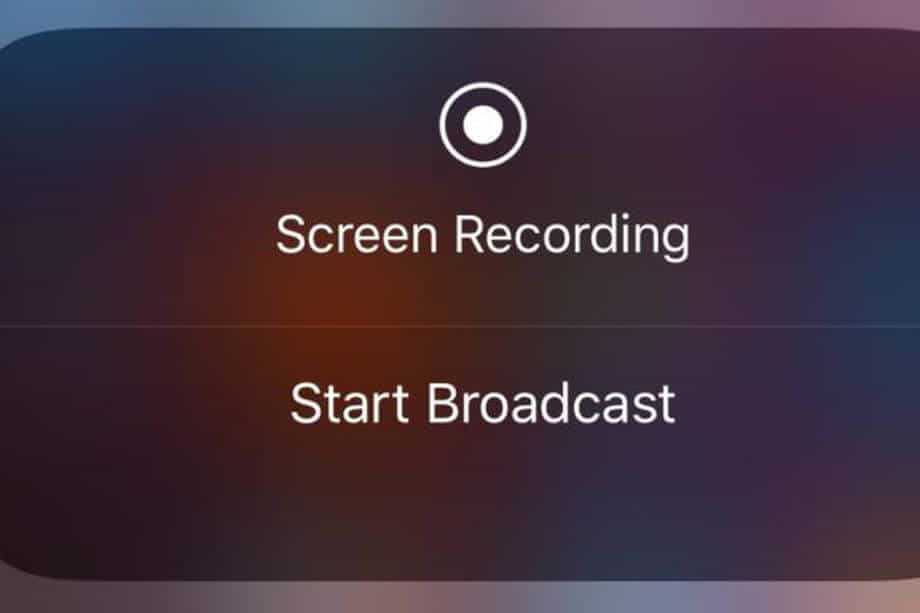
A closer examination of HomePod firmware has also revealed a resizable home button for the new iPhone. In addition, Apple is expected to offer a screen recording feature when iOS 11 becomes publicly available this fall. Beta testers have used it and remarked on its ease of use. This feature would allow anyone to live stream broadcasts from a home screen.
AI Usage Transparency Report
Pre-AI Era · Written before widespread use of generative AI tools
AI Signal Composition
Score: 0.03 · Low AI Influence
Summary
Apple's new iPhone is expected to feature facial recognition technology, replacing Touch ID fingerprint scanner, with advanced features such as multi biometrics and 240 fps video capture at 1080p.
Related Posts
The new Mac Pro Tower: Wheels optional
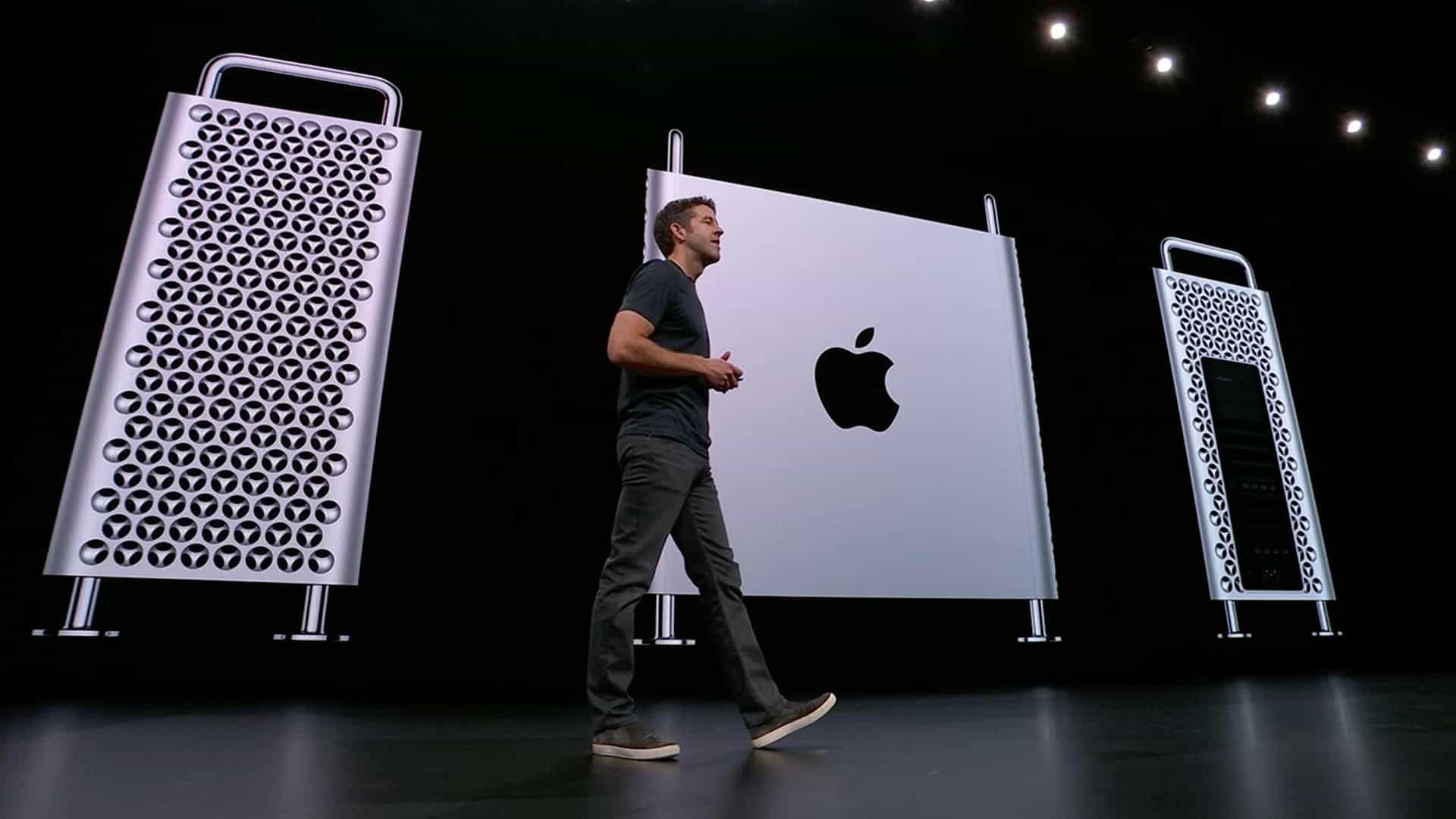
So happy to see that Apple is going back to its ability to allow users to upgrade and customize their Mac Pro tower experience. There was much much love for the old Cheese Grater style Mac Pro and many are still in use because of their overall upgradeability and customization. Not saying that the Trash Can approach was bad. It was in line with their motto, think different. Coming up with a new and unique approach to power computing.

MacOS 10.15 Catalina Releasing this Fall
Wow things move quickly from year to year. No surprise here. MacOS Catalina brings a whole new level of cool back to the Mac in my honest opinion. I am so happy that Apple has decided to break out iTunes into multiple apps. iTunes back in the day was so awesome, easy to use and simplistic. Now it tends to be a power hungry and semi confusing app to use as its the defacto app for everything. How about that annoying feature that automatically launched iTunes when your phone was...

Thanks to our wonderful clients for a great 2018
--- This year was a year of Growth here at Grove Technologies. Our company changed brand, re-defined its core strategy and competency. During this time of transition we learned a lot about what we want to accomplish moving forward and the new direction that we will be moving in. That said I want to thank all of the passionate and amazing clients that trust us with their technology. We are proud to be able to claim that we are helping further many social justice, climate and advocacy movements as well...
Back Up Before Upgrading to Mojave or iOS 12
Poll a room of Apple experts about the one topic they can't stop talking about and many will launch into frustrated rants about how too few people back up. Backups are always important, since you can never predict when your Mac or iPhone will be lost or stolen, melt in a fire, or just break. But one time when backups are especially important is before you upgrade to a major new operating system. If you're thinking "What could go wrong?" the answer is, "Lots," and wouldn't you like to be...
Top Features of iOS 12 to Take Advantage of Right Away
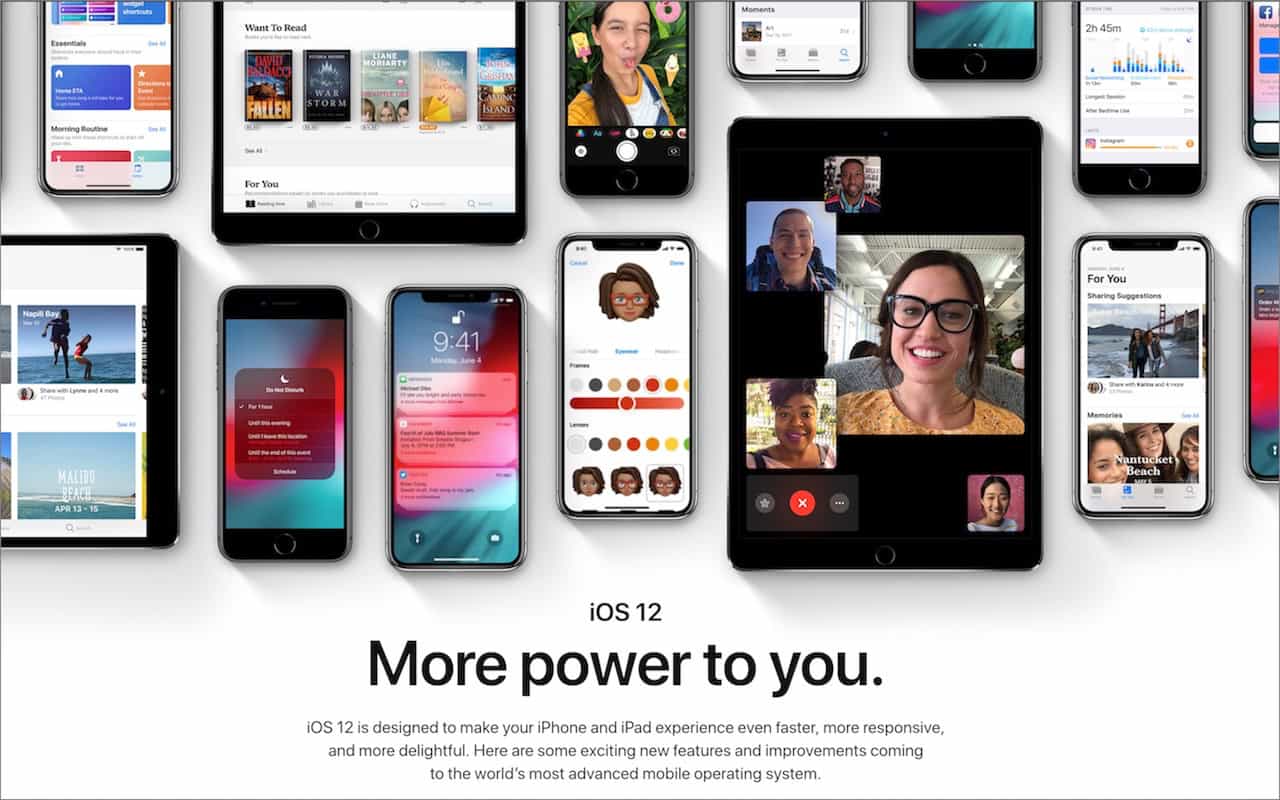
Feeling left behind because you don't have the latest iPhone or iPad? Don't worry, because Apple has a present for you in the form of iOS 12. The new operating system promises to increase performance, particularly for older devices as far back as the iPhone 5s and iPad Air. This means that your device will be able to run more smoothly and efficiently, making it feel like a newer model again.

Seriously Cool Features of macOS 10.14 Mojave You Won’t Want to Miss
With last year's macOS 10.13 High Sierra, Apple made no sweeping changes, instead focusing on refinements and bug fixes. In keeping with the company's alternating cycle of releases, this year's macOS 10.14 Mojave boasts a range of new features that build upon the previous version. As expected, these additions are incremental rather than revolutionary, allowing users to gradually adapt to the updated functionality without feeling overwhelmed by drastic changes.

When Should You Upgrade to macOS 10.14 Mojave, iOS 12, watchOS 5, and tvOS 12
When Should You Upgrade to macOS 10.14 Mojave, iOS 12, watchOS 5, and tvOS 12? --- It's that time of year again, when an Apple user's thoughts drift to new versions of macOS, iOS, watchOS, and tvOS. Apple announced the new versions in June, and public betas have been available since. But once Apple makes macOS 10.14 Mojave, iOS 12, watchOS 5, and tvOS 12 available for free download, you'll need to decide when to install each.

How to Deal with macOS Server Losing Many of Its Services
For many years, Apple has sold macOS Server (previously called OS X Server) for those who wanted to run various Unix-based Internet services on a Mac. Server became popular because it put an easy-to-use graphical interface on top of the Unix apps, allowing Mac users to avoid complicated configuration files and reducing the need to work at the command line. This made it accessible to a wider range of users, including those without extensive technical knowledge, who still wanted to manage their own servers.

Sneak Preview of What’s Coming from Apple This Fall
At Apple’s Worldwide Developer Conference keynote on June 4th, the company unveiled the first developer versions of all four of its operating systems: macOS 10.14 Mojave, iOS 12, watchOS 5, and tvOS 12. They won’t be available until this fall, likely in September or October, but here is a glimpse of what you can expect from these upcoming updates. The new features and improvements will be detailed further at the conference, giving developers a head start on preparing their apps for the new operating systems.
Apple Pay Is Faster, Easier, More Secure, and More Private Than Using Credit Cards
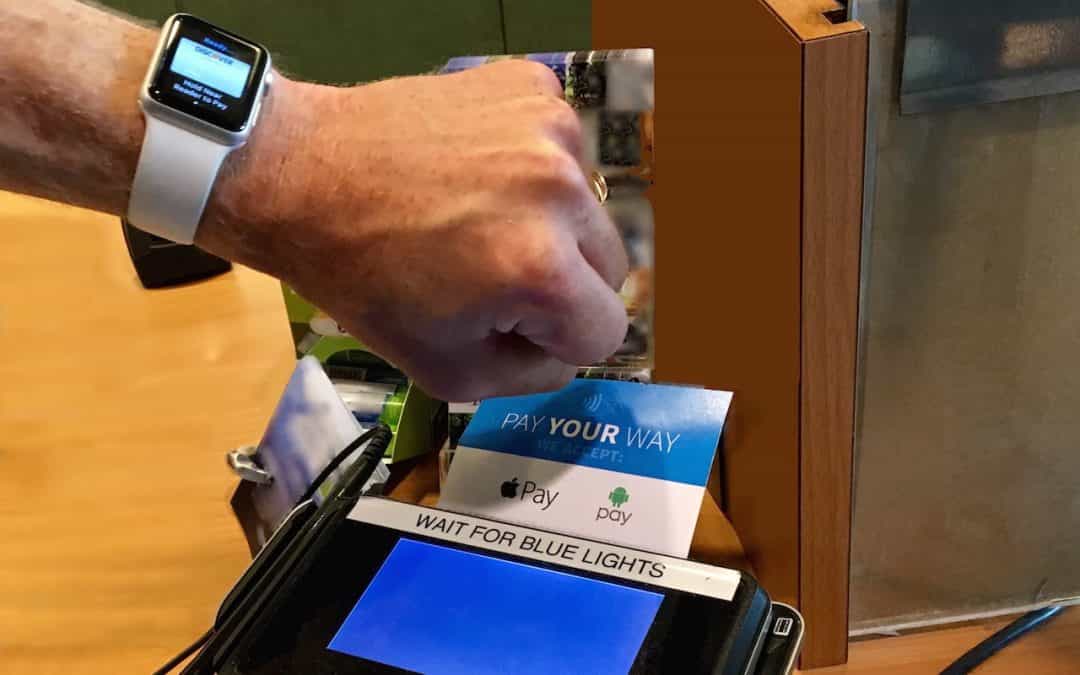
You’ve probably heard of Apple Pay, but have you set it up so you can use it to pay for purchases at checkout? If not, give it a try, since it’s one of those living-in-the-future Apple technologies that feels like science fiction every time you use it. Simply put your iPhone, iPad, or Apple Watch within an inch or so of a compatible payment terminal (look for an Apple Pay or contactless payment logo), put your finger on the Home button to use Touch ID (or double-press the iPhone’s side...