How I Finally Passed the PMP Exam (After 12 Years of Waiting)

🎯 The Long Road to PMP
Back in 2013, I registered for a PMI membership with every intention of pursuing my PMP certification. I downloaded the handbook, bookmarked the eligibility requirements, and even told a few friends that I was going to do it “soon.”
Then life happened.
For more than a decade, my membership sat dormant. Projects came and went. Teams grew, companies evolved, and yet that little unchecked box — “Get PMP Certified” — stayed on my to-do list.
Fast forward to 2024, and I finally decided it was time to finish what I started.
🧾 The Hardest Part Wasn’t the Exam
Everyone talks about how difficult the PMP exam is (and it is tough), but honestly, the hardest part was just applying.
Gathering all the documentation to prove I met PMI’s experience requirements took weeks. The 35-hour PDU education requirement was another hurdle, and writing up each project experience with the correct terminology was a project in itself.
But once I hit “Submit” and received that long-awaited approval email — it became real.
📚 The Study Year: Motivation Comes in Waves
I gave myself roughly a year to study, and it was far from perfect. There were stretches where I studied daily, and others where I ignored it completely for weeks.
My practice exam scores hovered between 65–70%, no matter what platform I used. Even as test day approached, I never once scored high enough to feel “ready.”
Here’s what I used throughout my prep:
- PMI Study Hall+ — an official PMI platform that helped me get comfortable with the exam’s tone and structure.
- PMP Pocket Prep (iOS app) — great for daily bursts of review questions, especially during lunch breaks or while traveling.
- PMI’s official practice exam — worth every penny for the realism and pacing alone.
🧠 The Mindset Shift That Changed Everything
The night before my exam, I stumbled across a YouTube video by Andrew Ramdayal.
It wasn’t another “memorize this formula” lecture — it was about how to think like a project manager during the exam.
That video changed my entire approach.
Instead of memorizing inputs, tools, and outputs, I focused on situational reasoning — asking, “What would a servant leader do here?” or “What’s the best next step for the team?”
The next morning, I walked into the test center feeling uncertain but strangely calm.
💻 Exam Day: Expect to Feel Like You Failed
Right after the exam I was convinced I had failed, the walk from the test computer to the front desk at the Pearson testing center felt like an eternity while I waited for my score printout.
As I unfolded the printout, there it was: “Congratulations! You passed.”
My performance by domain:
- 👥 People: Target
- ⚙️ Process: Above Target
- 🌍 Business Environment: Target
✅ Overall Performance: Pass
After over a decade of thinking about it, I finally did it.
💬 Lessons Learned
If you’re planning your own PMP journey, here’s what I wish someone had told me:
- The application is your first project — treat it like one.
- You’ll never feel 100% ready — schedule the exam anyway.
- Progress is messy; consistency beats intensity.
- Learn the mindset, not the memorization.
The PMP exam is less about remembering facts and more about thinking like a project manager under pressure.
🏁 Final Thoughts
It took me twelve years to close the loop on something I started in 2013. And while I could beat myself up for taking that long, I’ve realized this:
Professional growth doesn’t have an expiration date.
The moment you start — whether it’s studying for a certification, changing careers, or reviving a long-forgotten goal — you’re already further than you were yesterday.
Keep going. 💪
📘 Resources
Here are the resources I used that made a difference:
- 🎓 PMI Study Hall+ — Official prep tool from PMI with adaptive learning and mock exams.
- 📱 PMP Pocket Prep iOS App — Great for daily quizzes and quick learning bursts.
- 🧩 Official PMI Practice Exam — The most accurate simulation of the real test.
- 🎥 How to Pass the PMP Exam (Andrew Ramdayal, YouTube) — A mindset-shifting video that helped me approach questions differently.
Thanks for reading — if you’re currently studying for your PMP, keep pushing. You’ve got this.
Ready to take your Apple IT skills and consulting career to the next level?
I’m opening up free mentorship slots to help you navigate certifications, real-world challenges, and starting your own independent consulting business.
Let’s connect and grow together — Sign up here
AI Usage Transparency Report
AI Era · Written during widespread use of AI tools
AI Signal Composition
Score: 0.35 · Moderate AI Influence
Summary
The author shares their personal experience of studying for and passing the PMP exam after over a decade of planning, highlighting key takeaways such as treating the application process like a project, being consistent in study habits, and focusing on mindset rather than memorization.
Related Posts
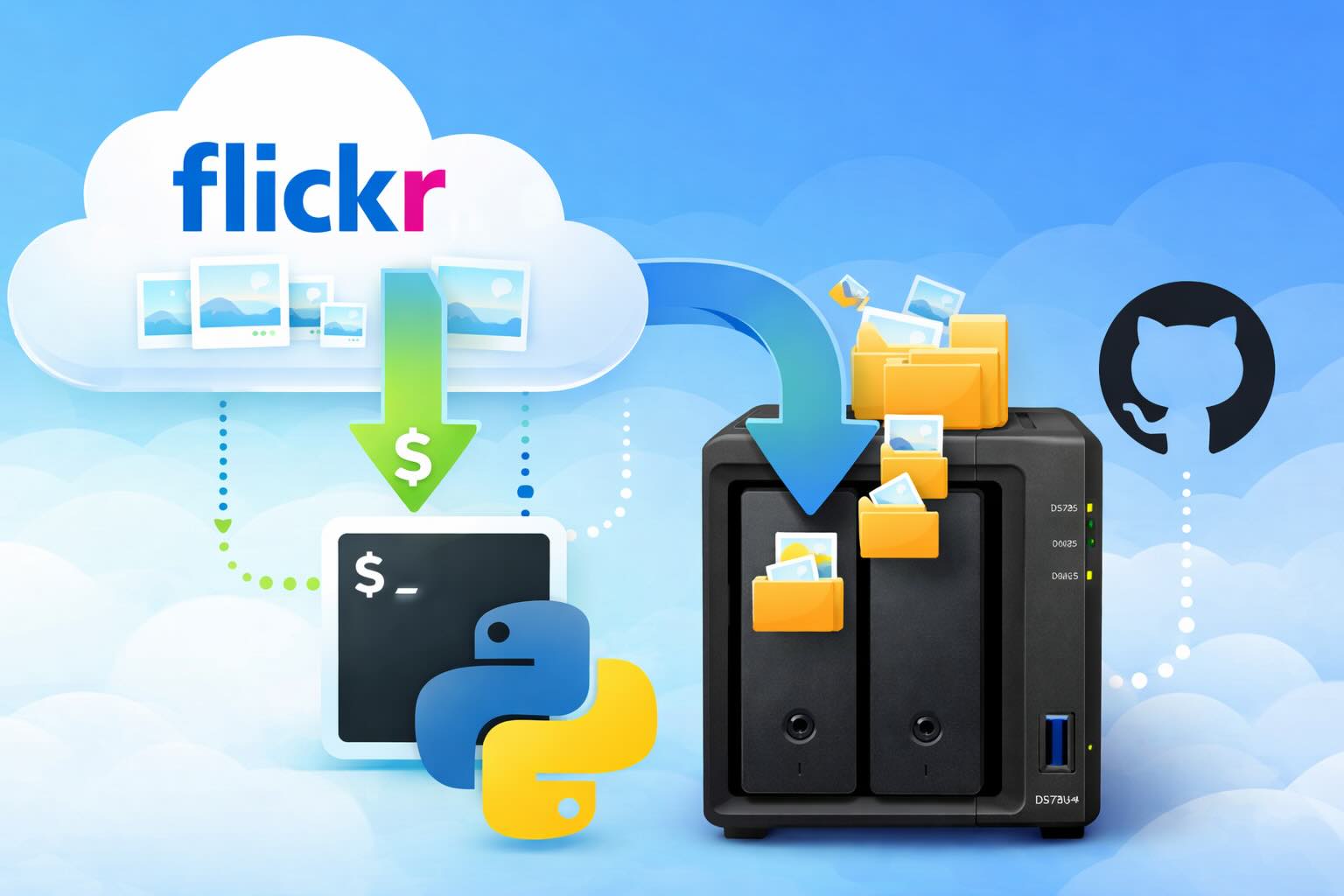
Leaving Flickr: Migrating 20,000+ Photos to Synology and Taking Back Control
There’s a certain kind of friction you start to notice when you’ve been using a service for a long time. Not enough to make you leave immediately, but enough to make you pause. Flickr had been that kind of service for me. It quietly held years of photos, uploads from old phones, albums I hadn’t looked at in ages, and a massive "Auto Upload" collection that had grown into something I didn’t fully understand anymore.
10 Things You Didn't Know You Could Do With Apple Configurator (That Save Mac Admins Hours)
Most of us treat Apple Configurator like a fire extinguisher: break glass, DFU, restore, move on. But it can do a lot more, and when you know the edges, you can turn a bricked morning into a ship-it afternoon. Below are ten things I regularly use (or wish I’d used sooner) that demonstrate its capabilities beyond just emergency recovery.
The Evolution of Apple Certification: A Journey Through Versions, Challenges & Growth
When I recently passed the Apple Certified Support Professional (ACSP) exam again, I paused to reflect — not just on this milestone, but on the long path I’ve walked through Apple’s certification landscape. My first certification dates back to macOS 10.5, and over the years, I’ve earned credentials across nearly every version since. In that time, the exams — and Apple itself — have transformed significantly.
Secure Software, Secure Career: How I Passed the CSSLP
After passing the CISSP earlier this year, I decided to follow it up with the **Certified Secure Software Lifecycle Professional (CSSLP)** certification. For those unfamiliar, CSSLP is an ISC2 certification that focuses specifically on secure software development practices across the full SDLC—from requirements and design to coding, testing, deployment, and maintenance. My goal in pursuing this certification was to further develop my skills in ensuring the security of software throughout its entire lifecycle.
Managing Bring Your Own Device (BYOD) for Android with Microsoft Intune
Alright, so today we're going to be talking about the management of bring your own device BYOD for Android devices. There's a lot of information out there for the management of iOS devices and you can do that with pretty much any Apple MDM on the market. We just happen to use Jamf where I work, but you could use anything from Braavos to SimpleMDM to Kanji or JumpCloud. Mosyle is also a great option.

BYO with me in 2025: iOS with User Enrollment in JAMF Pro
It really depends on your company's needs. For example, many companies need to hire 1099 contractors and in such a case they come with their own devices but not the correct security settings or enforcements. Remember BYOD is a security construct. The idea here is that you should be securing the company's sensitive data in all forms. This may involve implementing policies for contractor-owned devices, ensuring that all devices accessing company data meet minimum security standards, and regularly reviewing and updating these standards to stay ahead of emerging threats.
Securing BYOD Email Access: Exploring Strategies in Microsoft 365
In today’s mobile-first world, organizations increasingly rely on Bring Your Own Device (BYOD) programs to empower employees while optimizing costs. However, this flexibility introduces unique challenges, particularly around securing email access. To mitigate risks, we are implementing a comprehensive strategy to block email access on non-company devices by default and ensure only sanctioned apps can access organizational email accounts. This approach will help prevent unauthorized access and data breaches, aligning with our commitment to maintaining the security and integrity of company communications.
How I Conquered the CISSP Exam: 9 Months, Top Resources, and Proven Strategies
Passing the CISSP (Certified Information Systems Security Professional) exam is no small feat. It’s known for its breadth, depth, and ability to test not just your knowledge but your practical understanding of cybersecurity. After nine months of intense preparation, I’m thrilled to say I’ve joined the ranks of CISSP-certified professionals! Here's a detailed account of my experience, including the resources I used, some tips that helped me along the way, and what I learned from the process itself.
Get more out of scripting than you may expect
Expect is an extension to the Tcl scripting language written by Don Libes. The program automates interactions with programs that expose a text terminal interface. Expect, originally written in 1990 for the Unix platform, has since become available for Microsoft Windows and other systems. Its functionality allows users to interact with these programs through scripted commands, eliminating the need for manual input.
Cybersecurity is more than having the right tools
Processes, cybersecurity is 99% documentation, writing, that's what it is. If you don't enjoy writing policies and procedures, or enforcing them, be aware that this may lead to conflicts with your coworkers. You'll need to communicate clearly and consistently, which can be a challenge for some people.