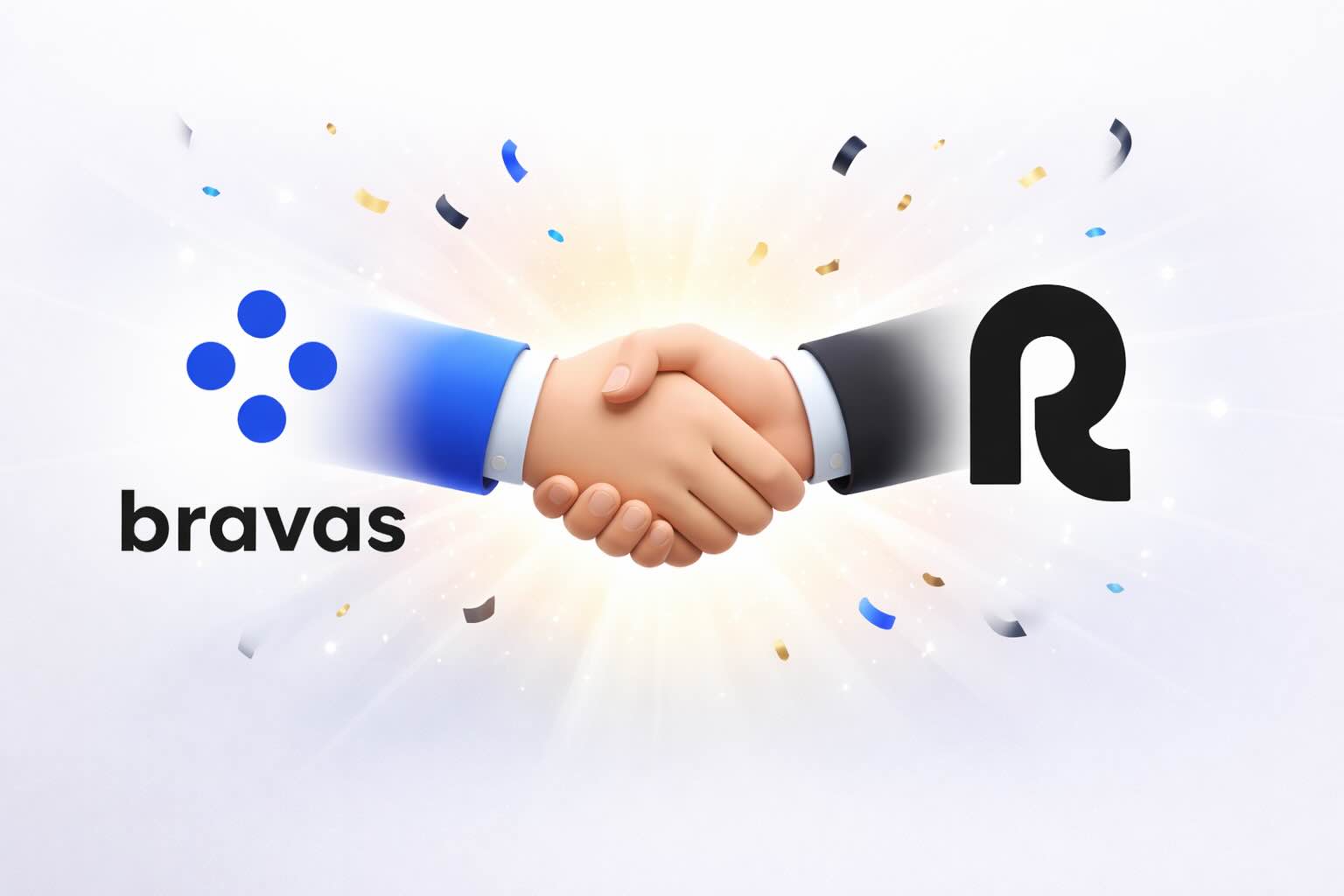

If you’ve followed this blog for a while, you already know that I have been a longstanding fan of Bravas, the technology they were building and the market they were going after. Its official on Friday, April 10th, in the #bravas channel on the Mac Admins Slack, it was announced that Remote.com had fully acquired Bravas.io an exciting new chapter.
Remote acquiring Bravas is not just another “industry update” post where I link a headline and move on. I’ve been talking about and covering Bravas for a while because I believed in what they were building long before acquisition language entered the conversation, and long before the broader market started to fully appreciate what they were trying to solve.
When I wrote my first Bravas piece, I was responding to a product that I got the chance to learn more about while at the Mac Admins Penn State Conference, that felt focused in a way that most platforms in this category simply are not. I saw a team trying to solve identity, endpoint management, provisioning, onboarding, and offboarding in a way that actually mapped to how small businesses function when they don’t have massive internal IT organizations and infinite implementation budgets. That mattered to me then, and it still does now.
A lot of vendors can show polished screenshots and promise “automation,” but the truth always shows up in deployment workflows. Bravas stood out because they treated enrollment as a security and operational moment, not just a setup step. They understood that day one is where trust is either created or broken.
This acquisition proves that identity and device management are no longer side conversations. They are core infrastructure for distributed companies that need to move fast without sacrificing control. The old model of disconnected tooling, where HR systems, endpoint systems, and access systems all operate like separate islands, is becoming less defensible with each passing year. The teams that win are the teams that connect lifecycle operations from first touch to last touch, and this move clearly points in that direction.
For me, what makes this moment worth celebrating is not only that Bravas was acquired. It is that Bravas was acquired after proving there is real value in doing this work the hard way: building practical workflows, reducing implementation friction, and making serious security and identity capability usable by organizations that are not giant enterprises.
I’ve been in this space long enough to see a lot of software positioned as “simple” while quietly pushing complexity onto customers, consultants, and support teams. Bravas was not perfect, no platform is, but they consistently showed intent to reduce that burden and make core workflows understandable. That is one of the main reasons I kept writing about them.
I also want to be very clear about this part: I am genuinely happy for the people behind Bravas. Building product in this category is hard. Building trust in this category is even harder. You are working in the overlap of security, identity, compliance, endpoint behavior, user experience, and operational change management. That is not easy territory, and the team navigated it with conviction.
To everyone who read the series, shared the posts, debated the positioning, and took the product seriously enough to test it, thank you.
To the Bravas team, congratulations. You built something that earned attention for the right reasons. To Remote, congratulations as well. You are taking stewardship of a platform with real operational credibility and real goodwill in the field. If this integration is handled with care, this can become a major long-term win for organizations that need identity and device operations to function as one coherent system, not a stack of disconnected projects.
This is absolutely the end of one era, and it deserves to be recognized as such. But it is also the beginning of a bigger chapter for the ideas that Bravas represented from day one.
I started writing this series because I believed the direction mattered. I’m closing it now with the same belief, only with more evidence.
For acquisition coverage:
DealNews.ai: Remote acquires Bravas identity & device management
AI Usage Transparency Report
AI Era · Written during widespread use of AI tools
AI Signal Composition
Score: 0.18 · Low AI Influence
Summary
Remote.com acquires Bravas.io, a platform for identity and device management, marking a significant shift in the industry towards connected lifecycle operations.
Related Posts
Reviewing Bravas.io - Roll your own Cloud MSP like Electric.ai
When inquiring about a demo or starting a 30-day trial, please mention the code JONBROWN to receive an additional 5% discount on your first year of annual service. This offer is exclusive to new customers and can be applied at the time of sign-up. The discount will be automatically reflected in your account upon activation of the annual plan.
Reviewing Bravas.io - Enrolling using a Zero Touch Workflow!
When inquiring about a demo or starting a 30-day trial, please mention the code JONBROWN to receive an additional 5% discount on your first year of annual service. This offer is exclusive to new customers and can be applied at the time of sign-up. The discount will be automatically reflected in your account upon activation of the annual plan.
Reviewing Bravas.io a breakthrough new MDM and IDP for Mac, Windows and iOS!
When inquiring about a demo or starting a 30-day trial, please mention the code JONBROWN to receive an additional 5% discount on your first year of annual service. This offer is exclusive to new customers and can be applied at the time of sign-up. The discount will be automatically reflected in your account upon activation of the annual plan.
The CMMC Evidence Collection Guide I Wish I Had Before My Assessment
When I started preparing for a CMMC assessment, I expected to spend most of my time focused on policies, procedures, and the System Security Plan. Those things are certainly important, but what surprised me was how much of the assessment ultimately came down to evidence.
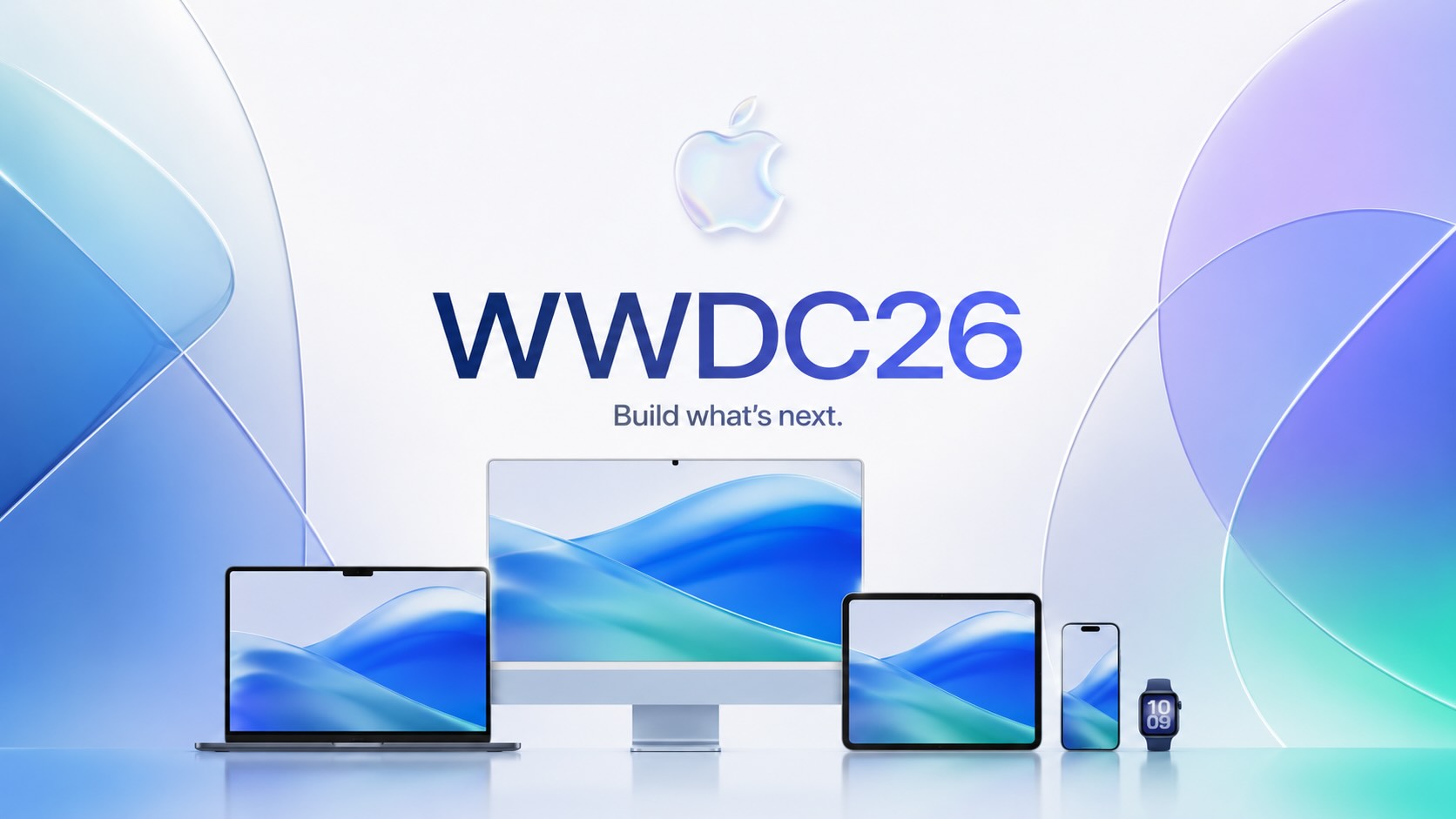
WWDC 2026 Was Bigger Than The Keynote
Most of those conversations eventually landed in the same place. Siri wasn't ready. Liquid Glass was everywhere. There was no new hardware announcement. Depending on who you asked, WWDC 2026 was either disappointing or forgettable.

Skills You Never Meant to Learn as a Consultant (and Why They Matter Beyond Consulting)
When you run a consultancy, you think the job is about your expertise—the thing you’ve been hired to do. But very quickly, you realize the role demands a whole set of skills you never set out to master. They sneak in over time, and before you know it, you’ve become fluent in things you once thought you’d avoid. The funny part is, you don’t even notice you’re learning them until you look back and recognize how much your approach has shifted. These are the skills that never appear on your...

What Does It Really Mean to Be “Senior” in Your Job?
I have a lot of friends in the job market right now, and we’ve been having some interesting conversations about a title that comes up again and again: “Senior.” It’s one of those words that carries weight when you first hear it—implying a certain level of mastery, trust, and authority—but the more you look at how it's used in practice, the more slippery it becomes. We've been debating what exactly "senior" means in different contexts, from years of experience to specific skills or responsibilities.
Lessons Learned: Scale without the burnout. Lessons learned from an IT Entrepreneur on how to build an ideal, converting, MSP in 2025
I’ve written about how I’d build an MSP from scratch in 2024. I followed that up with what I’d do differently in 2025 after a few more battle scars. Now, as I reflect on the way this space keeps evolving, I think it’s time to talk about scale—and more specifically, how not to lose your mind while scaling. It's an area where many MSPs struggle, and I'm no exception.

Are you starting a consulting business in 2025? What you need to know.
As more professionals leave the security of full-time employment to pursue consulting, the idea of starting your own business becomes both inspiring and daunting. While the freedom to shape your career and work on your own terms is alluring, it’s critical to understand that building a successful consulting business involves significant planning, preparation, and risk. This transition requires careful consideration of financial stability, market demand, and personal goals, as well as a willingness to adapt to changing circumstances and unexpected setbacks.
Lessons Learned: Build a strong foundation. Lessons learned from an IT Entrepreneur on how to build an ideal, converting, MSP in 2025
In 2014, I embarked on a journey that would shape the next eight years of my life. With a vision in mind and a determination to succeed, I founded Grove Technologies, a Managed Service Provider (MSP) based in Maryland, focused on delivering exceptional IT solutions to businesses of all sizes. The company grew steadily, overcoming challenges and celebrating milestones, until 2022, when I decided it was time to pass the baton and sold the business. It was an incredible experience, filled with invaluable lessons, but as I reflect on those...