
Welcome to my blog
Join me on my journey as I share my insights and experiences on all things Apple, Business and Entrepreneurship!
Join me on my journey as I share my insights and experiences on all things Apple, Business and Entrepreneurship!
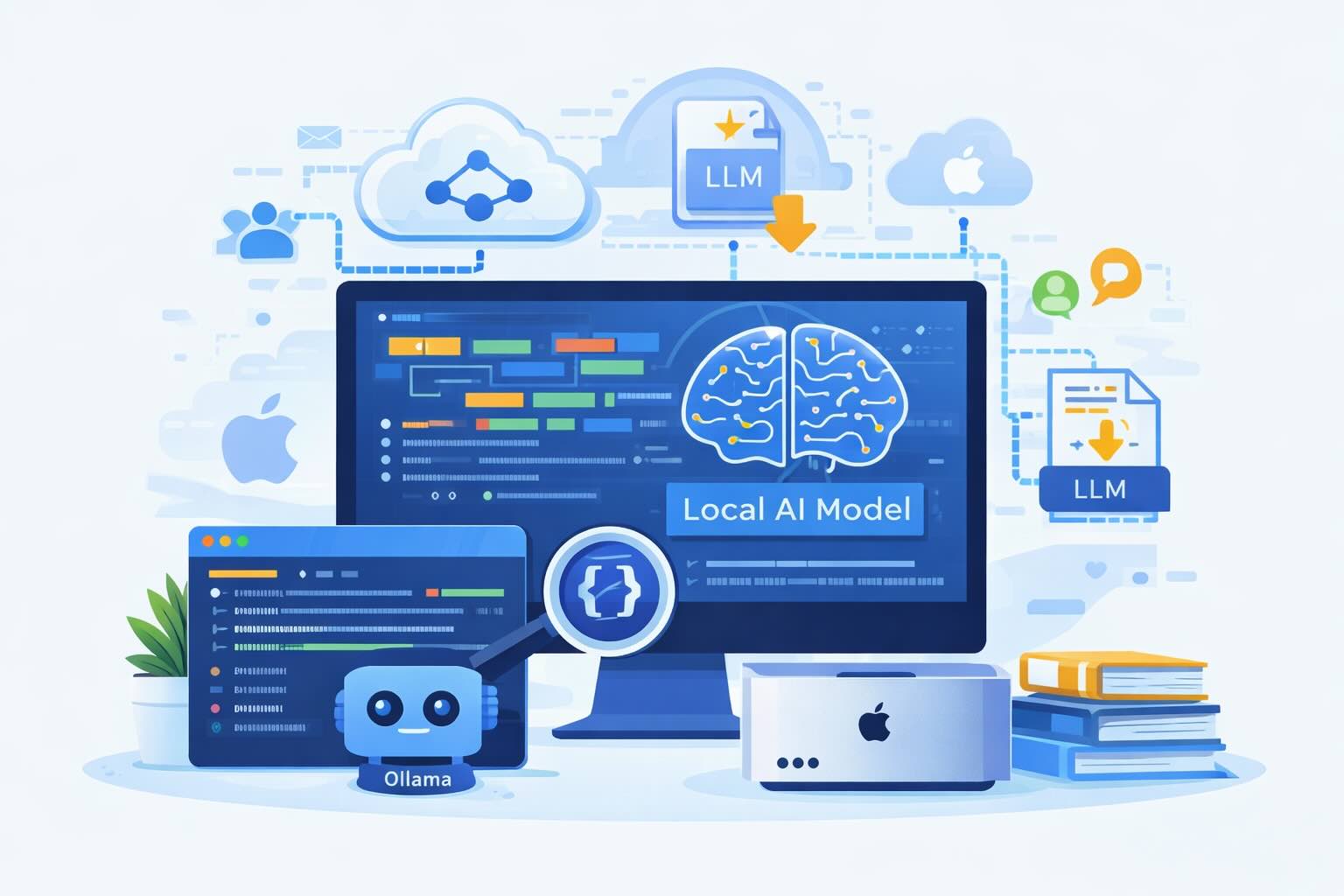
Recently, after some bad experiences with OpenAI's ChatGPT and CODEX, I decided to look into and learn more about running local AI models. On its face it was intimidating, but I had seen a lot of people in the MacAdmins community posting examples of macOS setups, which really helped lower the bar for me both in terms of approachability and just making me more aware of the local AI community that exists out there today.
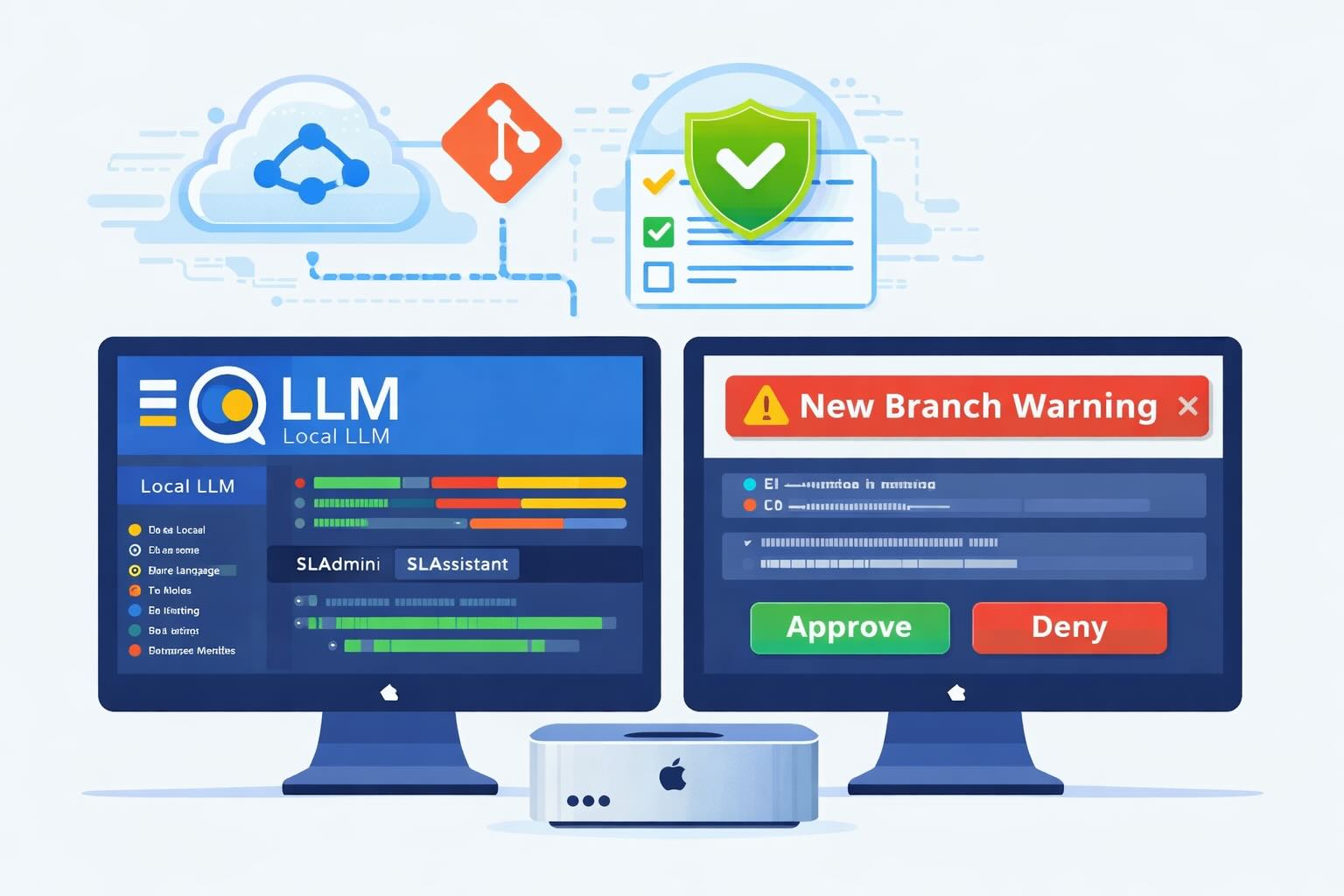
I really feel like in this era of AI it's essential to write about and share experiences for others who are leveraging AI, especially now that AI usage seems almost ubiquitous. Specifically, when it comes to AI in development and the rapid growth of AI-driven automations in the IT landscape, I believe there's a need for open discussion and exploration.

So there I was, a typically day, a typical weekend. As a ChatGPT customer, I had heard good things about Codex and had not yet tried the platform. To date my experience with agentic coding was simply snippit based support with ChatGPT and Gemeni where I would ask questions, get explanations and support with squashing bugs in a few apps that I work on, for fun, on the side. There were a few core features in one of the apps I built that I wanted to try implementing but the...
Most teams use Apple’s macOS Security Compliance Project (mSCP) baselines because they scale and they’re repeatable. Jamf’s tooling makes deployment straightforward and the Extension Attribute (EA) output is a convenient place to capture drift. What you don’t automatically get is the artifact an auditor will accept on a specific date—an actual document you can file that shows which endpoints are failing which items, plus a concise roll-up of failure counts you can act on. Smart Groups answer scope; they don’t produce evidence.

After passing the CISSP earlier this year, I decided to follow it up with the **Certified Secure Software Lifecycle Professional (CSSLP)** certification. For those unfamiliar, CSSLP is an ISC2 certification that focuses specifically on secure software development practices across the full SDLC—from requirements and design to coding, testing, deployment, and maintenance. My goal in pursuing this certification was to further develop my skills in ensuring the security of software throughout its entire lifecycle.

Cybersecurity is no longer a luxury or an afterthought—it's an absolute necessity. But how can you tell if the company you work for, as a security professional, truly values cybersecurity? Let's explore some clear indicators that demonstrate a company's commitment to implementing robust security practices in-house. A genuine commitment will be reflected in the organization's policies and procedures, which should be regularly reviewed and updated to address emerging threats.
Alright, so today we're going to be talking about the management of bring your own device BYOD for Android devices. There's a lot of information out there for the management of iOS devices and you can do that with pretty much any Apple MDM on the market. We just happen to use Jamf where I work, but you could use anything from Braavos to SimpleMDM to Kanji or JumpCloud. Mosyle is also a great option.

It really depends on your company's needs. For example, many companies need to hire 1099 contractors and in such a case they come with their own devices but not the correct security settings or enforcements. Remember BYOD is a security construct. The idea here is that you should be securing the company's sensitive data in all forms. This may involve implementing policies for contractor-owned devices, ensuring that all devices accessing company data meet minimum security standards, and regularly reviewing and updating these standards to stay ahead of emerging threats.

In today’s mobile-first world, organizations increasingly rely on Bring Your Own Device (BYOD) programs to empower employees while optimizing costs. However, this flexibility introduces unique challenges, particularly around securing email access. To mitigate risks, we are implementing a comprehensive strategy to block email access on non-company devices by default and ensure only sanctioned apps can access organizational email accounts. This approach will help prevent unauthorized access and data breaches, aligning with our commitment to maintaining the security and integrity of company communications.

Passing the CISSP (Certified Information Systems Security Professional) exam is no small feat. It’s known for its breadth, depth, and ability to test not just your knowledge but your practical understanding of cybersecurity. After nine months of intense preparation, I’m thrilled to say I’ve joined the ranks of CISSP-certified professionals! Here's a detailed account of my experience, including the resources I used, some tips that helped me along the way, and what I learned from the process itself.
macOS has earned a strong reputation for built-in security, but the real value of the platform is not just that protections exist. It is that Apple continues pushing the operating system toward more context-aware security decisions that help users make better choices before a problem becomes a breach. This approach allows users to understand and mitigate potential risks in real-time, rather than simply reacting to threats after they've occurred.

One of the hardest parts of cybersecurity is that the problem is not purely technical. The real challenge sits at the intersection of tools and human behavior. Companies can buy better platforms, deploy stronger controls, and invest in more advanced protections, but those tools still depend on people making better decisions every day. This means that even with the most robust systems in place, a single misstep or careless action can compromise security.
Security awareness is no longer something that belongs only in enterprise boardrooms or IT departments. It applies to business owners, employees, contractors, and even everyday home users. The line between personal and professional risk is thinner than it used to be, because the same email account, browser session, password habit, or social engineering mistake can now create consequences across both worlds. This shift in responsibility means that individuals must take a more active role in protecting themselves and their organizations from cyber threats.

Fear, uncertainty, and doubt have shaped far too many conversations in the security industry. For years, a common sales tactic has been to lead with the worst-case scenario, raise the emotional temperature, and push people toward a quick decision. The problem is that fear can get attention without creating understanding, and that usually leads to shallow buy-in instead of lasting security improvement. This approach often overlooks the complexities of real-world threats and neglects the need for informed decision-making.