
How I Passed the CISSP Exam After 9 Months of Study
Passing the CISSP (Certified Information Systems Security Professional) exam is no small feat. It’s known for its breadth, depth, and ability to test not just your knowledge but your practical understanding of cybersecurity. After nine months of intense preparation, I’m thrilled to say I’ve joined the ranks of CISSP-certified professionals! Here’s how I did it, the resources I used, and some tips to help you on your journey.
My Study Plan
1. Set a Realistic Timeline
From the outset, I knew this wasn’t a sprint—it was a marathon. I gave myself 9 months to study, breaking the material into manageable chunks. Each month focused on specific domains, and the last two months were dedicated to review and practice exams.
2. Create a Daily Routine
Consistency was key. I set aside 1–2 hours every day, alternating between reading, watching videos, and taking practice quizzes. Sticking to this routine helped me build momentum and stay on track.
3. Practice Makes Perfect
I can’t stress enough the importance of practice questions. They not only test your knowledge but also train you to think the way the CISSP exam does—focusing on management and risk-based decisions.
Resources That Helped Me Succeed
There are countless CISSP resources out there, but these were my go-to tools:
-
CISSP Study Group
A fantastic online community of fellow CISSP aspirants. The forums are filled with discussions, tips, and insights that kept me motivated and informed. -
Pocket Prep CISSP App
This app was a lifesaver for on-the-go study sessions. It offers hundreds of practice questions and detailed explanations that are perfect for quick reviews. -
LearnZapp CISSP App
Another excellent app for mobile learning. It helped me focus on weaker areas by tracking my progress across domains. -
CISSP Exam Cram on YouTube
This video is a concise and high-yield review of key topics. I watched it multiple times during my final review phase. -
CISSP All-in-One Exam Guide (9th Edition) Audiobook
A comprehensive resource that covers every domain in detail. The audiobook format allowed me to learn while commuting or doing chores, making study time more efficient.
What Worked for Me
1. Focus on Understanding, Not Memorization
The CISSP exam isn’t about rote memorization; it’s about applying concepts to real-world scenarios. I made sure to understand the “why” behind every concept and its implications in a business context.
2. Master the Domains
The CISSP exam covers eight domains. I tackled each one systematically, ensuring I had a solid grasp before moving on:
- Security and Risk Management
- Asset Security
- Security Architecture and Engineering
- Communication and Network Security
- Identity and Access Management
- Security Assessment and Testing
- Security Operations
- Software Development Security
3. Simulate the Exam Environment
Taking full-length practice exams under timed conditions was crucial. It helped me manage time effectively and get comfortable with the exam format.
The Hidden Gem: CISSP Study Group
One of the most invaluable resources in my CISSP journey was the CISSP Study Group (visit here). This free, open-to-all community was a game-changer. Preparing for the CISSP exam can feel like an uphill battle, but being part of a group of like-minded individuals striving toward the same goal made all the difference.
What sets this study group apart is the emphasis on comprehension over memorization. Through collaborative discussions, real-world application scenarios, and peer support, I gained a deeper understanding of the material. It wasn’t just about learning to pass an exam—it was about absorbing knowledge that I could carry into my career.
This community became the final, essential piece of my preparation puzzle. It pushed me to think critically, solidified my grasp of the concepts, and gave me the confidence to tackle the exam. If you’re on the path to CISSP certification, I can’t recommend this hidden gem enough. Sometimes, the best way to learn is in the company of others.
Lessons Learned
Looking back, I wish I had started taking practice exams earlier in the process. They’re invaluable for identifying weak spots and reinforcing concepts. That said, the nine-month journey taught me discipline, focus, and a lot about myself.
Final Thoughts
Passing the CISSP exam is a challenging but incredibly rewarding experience. It requires commitment, perseverance, and the right resources. If you’re preparing for the CISSP, remember that you’re not alone—lean on the community, leverage the tools available, and believe in your ability to succeed.
To everyone on this journey: good luck! You’ve got this. And when you’re certified, take a moment to celebrate—you’ve earned it. 🎉
AI Usage Transparency Report
AI Era · Written during widespread use of AI tools
AI Signal Composition
Score: 0.3 · Moderate AI Influence
Summary
Passing the CISSP exam is a challenging but rewarding experience. It requires commitment, perseverance, and the right resources.
Related Posts
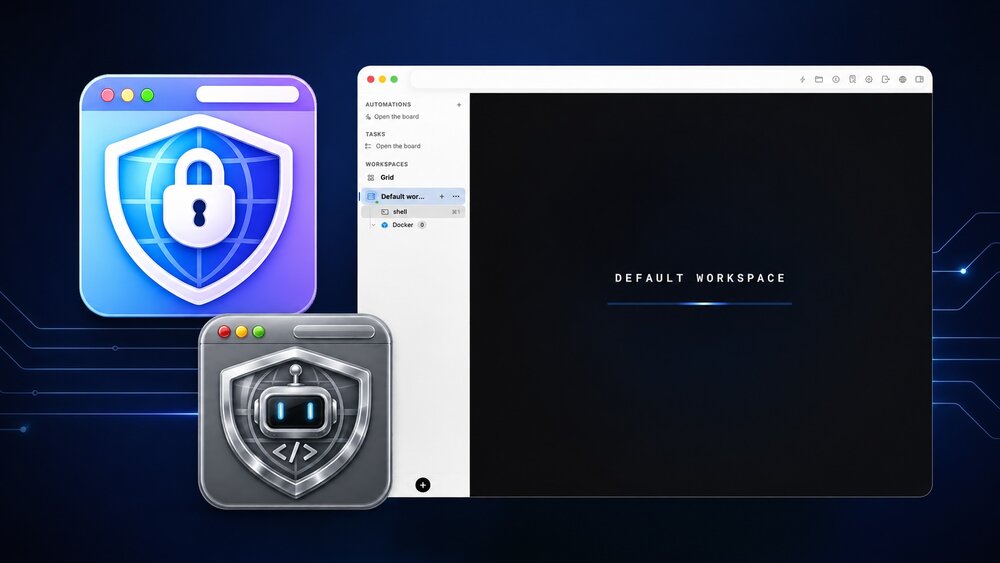
Bromure Gives Codex a Room of Its Own
I installed Bromure Agentic Coding, watched it build the Linux VM, authenticated Codex, and followed a real Codex task through the workspace.

Amnesia Stealer Shows the Next Stage of ClickFix on macOS
Amnesia Stealer shows how ClickFix-style social engineering is adapting on macOS, while a public malware sample gives defenders an opportunity to study the behavior behind the campaign.

Reporting on Microsoft 365 DLP Overrides with PowerShell
DLP overrides are not automatically bad. They are a business process that needs visibility. This walkthrough covers a Microsoft Purview DLP policy, a custom sensitive information type, user override behavior, and a PowerShell report that exports override events from Activity Explorer.

Move Entra Users Off SMS and Voice Before Microsoft Retires Them
Microsoft is retiring Microsoft-provided SMS and voice authentication in Entra ID. The migration is not passkeys for everyone; it is removing weak telecom MFA and choosing supported replacement methods such as Microsoft Authenticator, FIDO2 keys, certificate-based authentication, OATH hardware tokens, or customer-managed telecom.

macOS Tahoe 26.6.1 Fixes a High-Severity Screen Sharing Authentication Bypass
macOS Tahoe 26.6.1 fixes CVE-2026-65400, a high-severity Screen Sharing authentication issue where an attacker on the network may be able to authenticate without valid credentials.

ClickLock Shows Why Terminal Paste Is a Mac Security Boundary
ClickLock Stealer shows why Mac security teams should watch for Terminal paste lures, fake AppleScript password prompts, command-line Keychain access, LaunchAgent persistence, and Jamf Protect alerts that can route suspected Macs into Jamf Pro response groups.

CrashStealer Shows the Gap Between Notarization and Detection
CrashStealer shows the security gap between Apple's Developer ID notarization path and App Store review, and why Jamf's behavioral detection mattered.

The CMMC Pause Does Not Make a Level 2 Audit Worthless
The July 2026 CMMC Phase II pause changes the timing of third-party assessment requirements, but it does not erase DFARS, NIST SP 800-171, SPRS, or the value of a completed Level 2 audit.
How We Structured and Hashed CMMC Evidence for Auditor Review
How folder naming, control-level artifact names, spreadsheet hyperlinks, and evidence hashing made a CMMC evidence package easier for the auditor to validate.

Opening the Ollama Black Box: Understanding the Trust Boundary Behind Local AI
Installing Ollama is easy. Understanding the trust boundary behind a local AI service is what determines whether it belongs in an automation workflow.