
How I Passed the CSSLP — My Experience in 2025
After passing the CISSP earlier this year, I decided to follow it up with the Certified Secure Software Lifecycle Professional (CSSLP) certification. For those unfamiliar, CSSLP is an ISC2 certification that focuses specifically on secure software development practices across the full SDLC—from requirements and design to coding, testing, deployment, and maintenance.
Where the CISSP is broad, the CSSLP is laser-focused. This exam dives deep into secure software principles, threat modeling, data protection, API security, database hardening, and development methodologies like Agile, DevOps, and DevSecOps. It’s not just for coders—it’s for anyone who wants to lead or contribute to building secure software systems in a world where security is no longer optional.
Why I Took the CSSLP
I’ve been involved in web and app development since 2009. I’ve launched iOS apps, built and deployed dozens of websites, and been part of product teams at various stages—from startup MVPs to enterprise-grade platforms. As my career has evolved, I’ve found myself increasingly leading DevOps and security conversations, working to ensure that security is baked in, not bolted on.
The CSSLP was my way of formalizing those skills. I wanted to demonstrate not just that I can write code, but that I can lead secure development efforts, manage cross-functional teams, and make decisions that protect both users and businesses.
How I Prepared
Here’s what worked for me:
📘 Read the Official ISC2 CBK for CSSLP — It’s dry but comprehensive. I read it cover to cover to ensure no domain slipped through the cracks.
📗 All-In-One CSSLP Exam Guide by McGraw Hill — Easier to digest and a great companion to the CBK.
🎧 Listened to the audiobook Essential CSSLP Exam Guide (2nd Edition) by Phil Martin — Fantastic for commuting or passive review.
🎥 Pluralsight CSSLP Exam Prep by Kevin Henry — I always find Kevin’s teaching style solid. It’s a good secondary resource.
📱 Pocket Prep CISSP iOS App (with CSSLP question set) — Surprisingly helpful. Great for quick quiz sessions and reinforcing weaker domains.
Study Tips, Tricks & Mental Prep
A few things I picked up from Reddit and the CSSLP community:
- Understand the “why,” not just the “what.” This exam wants you to think like someone designing secure systems from the ground up, not just checking boxes.
- Think like a security lead in a dev team. You’re not just fixing code—you’re preventing risk early.
- Practice threat modeling scenarios. Visualizing workflows and thinking about data flow, trust boundaries, and attack surfaces helps immensely.
- Get good at eliminating wrong answers. Like the CISSP, some questions will feel vague. Learn to rule out two obviously wrong options quickly.
- Mentally prepare to sit for a long exam. It’s 3 hours of intense focus. Don’t underestimate the mental load. Get rest the night before and stay hydrated.
Real-World Relevance
This wasn’t just a checkbox for me. The CSSLP aligns directly with the work I do—and want to do more of. It validated my experience with:
✅ Secure SDLC design and integration
🔐 Data classification, protection, and access control
🧰 DevOps/DevSecOps processes and tooling
🧱 Database design and hardening techniques
📄 Policy, governance, and compliance as they relate to development
With this under my belt, I feel more confident leading secure development teams, making risk-based decisions, and aligning product goals with security from day one.
If you’re considering the CSSLP, feel free to reach out or drop a comment. Happy to share more about my experience and help you prep!
Final Thoughts
Achieving the CSSLP certification has been a rewarding and enriching experience. It not only enhanced my technical understanding of secure software practices but also gave me a clearer perspective on how to integrate security seamlessly throughout the entire development lifecycle. With the increasing focus on security, it’s essential that developers, security leads, and engineers work together to build secure software from day one. I’m excited to continue applying these best practices and share the knowledge with the teams I work with.
Sources
For those interested in the resources I used during my preparation, here are the direct links:
- 📘 Official ISC2 Guide to the CSSLP CBK: Amazon
- 📗 CSSLP Certification All-in-One Exam Guide: Amazon
- 🎧 Essential CSSLP Exam Guide (2nd Edition) by Phil Martin (Audiobook): Audible
- 🎥 Kevin Henry’s CSSLP Exam Prep videos on Pluralsight: Pluralsight
- 📱 Pocket Prep CISSP iOS app (with CSSLP question set): App Store
#CSSLP #DevSecOps #SecureSoftware #ISC2 #CyberSecurity #SoftwareDevelopment #Certifications
AI Usage Transparency Report
AI Era · Written during widespread use of AI tools
AI Signal Composition
Score: 0.33 · Moderate AI Influence
Summary
The CSSLP certification is a valuable asset for developers, security leads, and engineers who want to build secure software from day one.
Related Posts
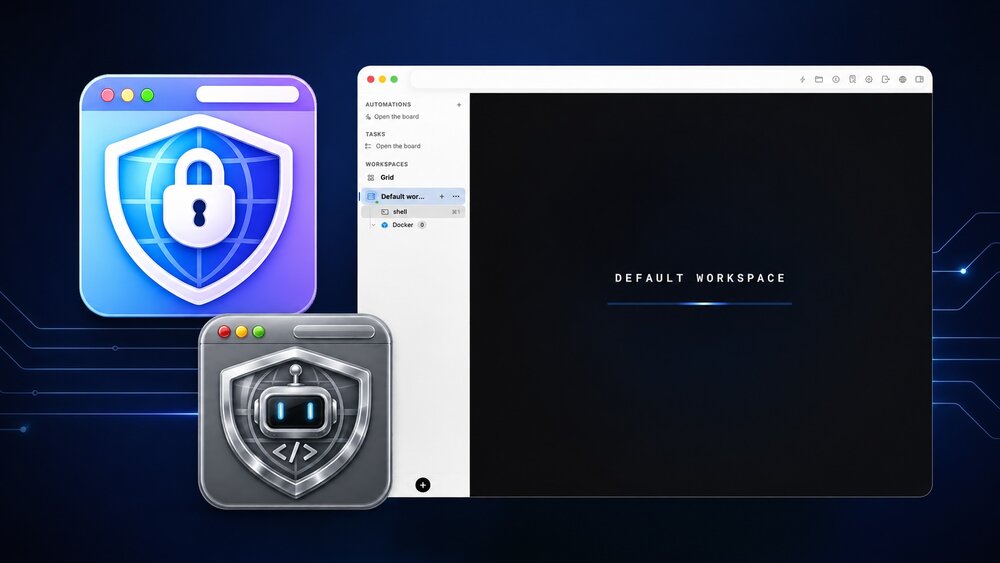
Bromure Gives Codex a Room of Its Own
I installed Bromure Agentic Coding, watched it build the Linux VM, authenticated Codex, and followed a real Codex task through the workspace.

Amnesia Stealer Shows the Next Stage of ClickFix on macOS
Amnesia Stealer shows how ClickFix-style social engineering is adapting on macOS, while a public malware sample gives defenders an opportunity to study the behavior behind the campaign.
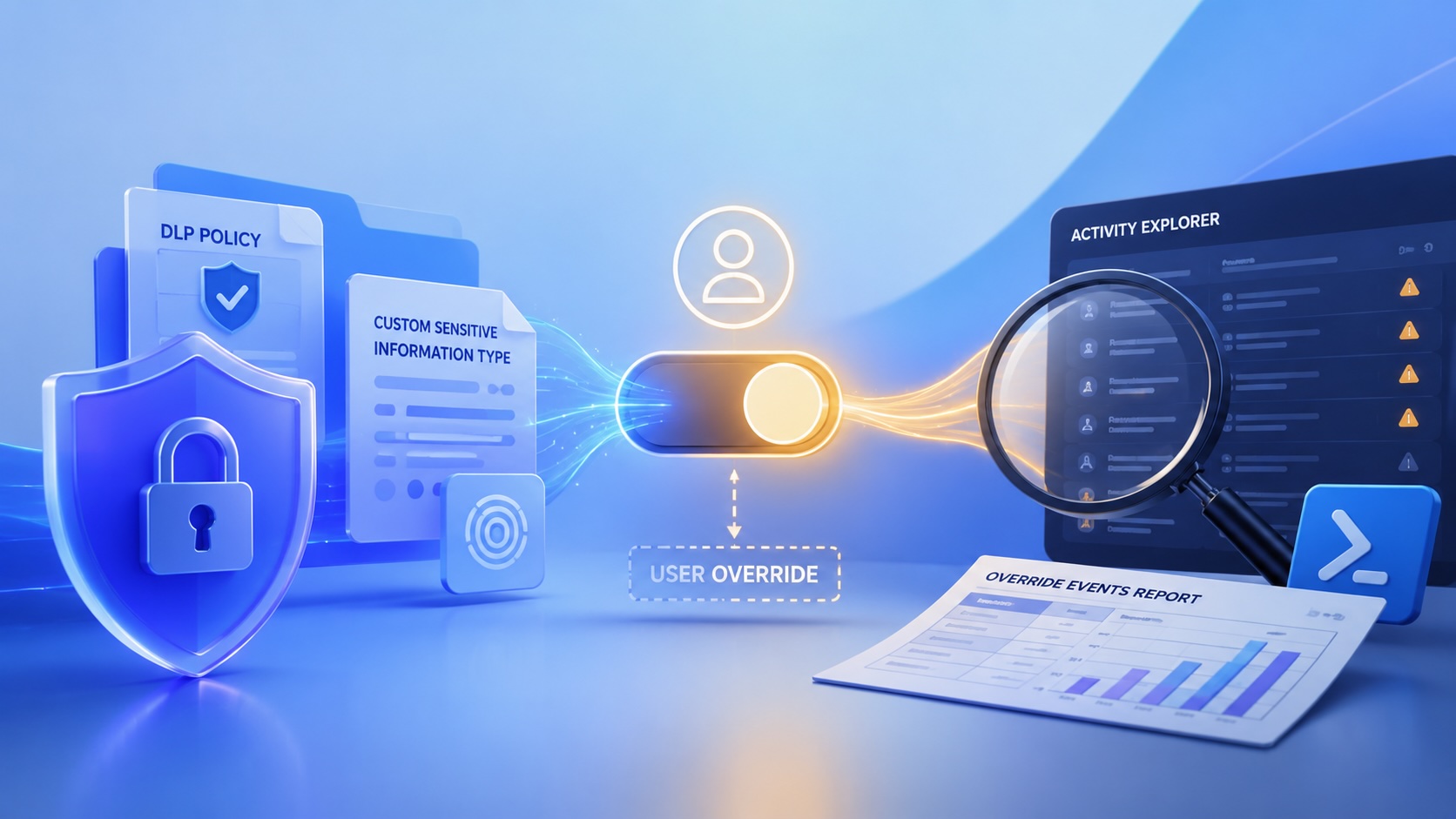
Reporting on Microsoft 365 DLP Overrides with PowerShell
DLP overrides are not automatically bad. They are a business process that needs visibility. This walkthrough covers a Microsoft Purview DLP policy, a custom sensitive information type, user override behavior, and a PowerShell report that exports override events from Activity Explorer.

Move Entra Users Off SMS and Voice Before Microsoft Retires Them
Microsoft is retiring Microsoft-provided SMS and voice authentication in Entra ID. The migration is not passkeys for everyone; it is removing weak telecom MFA and choosing supported replacement methods such as Microsoft Authenticator, FIDO2 keys, certificate-based authentication, OATH hardware tokens, or customer-managed telecom.
macOS Tahoe 26.6.1 Fixes a High-Severity Screen Sharing Authentication Bypass
macOS Tahoe 26.6.1 fixes CVE-2026-65400, a high-severity Screen Sharing authentication issue where an attacker on the network may be able to authenticate without valid credentials.
ClickLock Shows Why Terminal Paste Is a Mac Security Boundary
ClickLock Stealer shows why Mac security teams should watch for Terminal paste lures, fake AppleScript password prompts, command-line Keychain access, LaunchAgent persistence, and Jamf Protect alerts that can route suspected Macs into Jamf Pro response groups.

CrashStealer Shows the Gap Between Notarization and Detection
CrashStealer shows the security gap between Apple's Developer ID notarization path and App Store review, and why Jamf's behavioral detection mattered.

The CMMC Pause Does Not Make a Level 2 Audit Worthless
The July 2026 CMMC Phase II pause changes the timing of third-party assessment requirements, but it does not erase DFARS, NIST SP 800-171, SPRS, or the value of a completed Level 2 audit.
How We Structured and Hashed CMMC Evidence for Auditor Review
How folder naming, control-level artifact names, spreadsheet hyperlinks, and evidence hashing made a CMMC evidence package easier for the auditor to validate.

Opening the Ollama Black Box: Understanding the Trust Boundary Behind Local AI
Installing Ollama is easy. Understanding the trust boundary behind a local AI service is what determines whether it belongs in an automation workflow.