Good Cybersecurity policies, procedures, guidelines take time. They're not rushed and aren't rubber stamped


Cybersecurity is no longer a luxury or an afterthought—it’s an absolute necessity. But how can you tell if the company you work for, as a security professional, truly values cybersecurity? Let’s explore some clear indicators that demonstrate a company’s commitment to implementing robust security practices in-house.
A company passionate about cybersecurity doesn’t treat it as a one-time project or a compliance checkbox. Instead, security is deeply embedded in their culture and operations. Organizations that take cybersecurity seriously prioritize it from the top down, with leadership advocating for and investing in strong defenses. They view cybersecurity as a shared responsibility, ensuring that every department collaborates to maintain secure practices.
One of the most visible signs of commitment is the company’s proactive investment in in-house security tools and technologies. Companies that prioritize cybersecurity allocate resources to develop, maintain, and upgrade robust firewalls, endpoint protection, intrusion detection systems, and encryption technologies. Staying ahead of evolving threats requires ongoing effort and a willingness to adopt innovative security measures, ensuring that their systems and networks remain resilient.
Another critical indicator is the emphasis placed on the human element of cybersecurity. Human error remains one of the leading causes of breaches, making regular employee training and awareness programs a cornerstone of any serious security strategy. Organizations committed to in-house security conduct frequent phishing simulations, awareness campaigns, and workshops to educate employees about potential threats. By fostering a culture of openness, they ensure that employees feel comfortable reporting suspicious activity without fear of blame or reprisal.
Transparency about security practices is also a hallmark of a trustworthy organization. Companies that value cybersecurity are open about the steps they take to protect data and the measures they have in place to respond to incidents. They’re willing to discuss their security protocols with their teams, showcasing their dedication to keeping sensitive information secure. Conversely, organizations that avoid addressing their policies or incident response plans may signal a lack of preparedness.
Preparation for potential incidents is a vital aspect of any serious cybersecurity program. Even the best-protected organizations can face cyberattacks, and what sets the best apart is their ability to respond effectively. Companies with a strong commitment to security have detailed incident response plans that are regularly tested and updated. These plans ensure a swift and coordinated response to breaches, minimizing potential damage and reinforcing trust within the organization.
Finally, a company’s passion for cybersecurity is reflected in its internal prioritization of security-focused teams. Organizations that value security often build strong in-house teams equipped to handle monitoring, testing, and incident handling. They empower these teams with the tools and authority needed to proactively identify vulnerabilities and respond to threats. A commitment to maintaining an agile and skilled security workforce is a powerful indicator that a company is serious about protecting its systems and data.
Cybersecurity is a shared responsibility, but companies must lead the charge in creating a secure environment for their teams and operations. By prioritizing transparency, training, technology, and thorough planning, an organization demonstrates its commitment to safeguarding its assets. As a security professional, pay close attention to how the company approaches its in-house security initiatives. The more proactive and passionate they are about implementing good security practices, the more confident you can be in their dedication to cybersecurity.
AI Usage Transparency Report
AI Era · Written during widespread use of AI tools
AI Signal Composition
Score: 0.12 · Low AI Influence
Summary
Cybersecurity is a shared responsibility, but companies must lead the charge in creating a secure environment for their teams and operations.
Related Posts
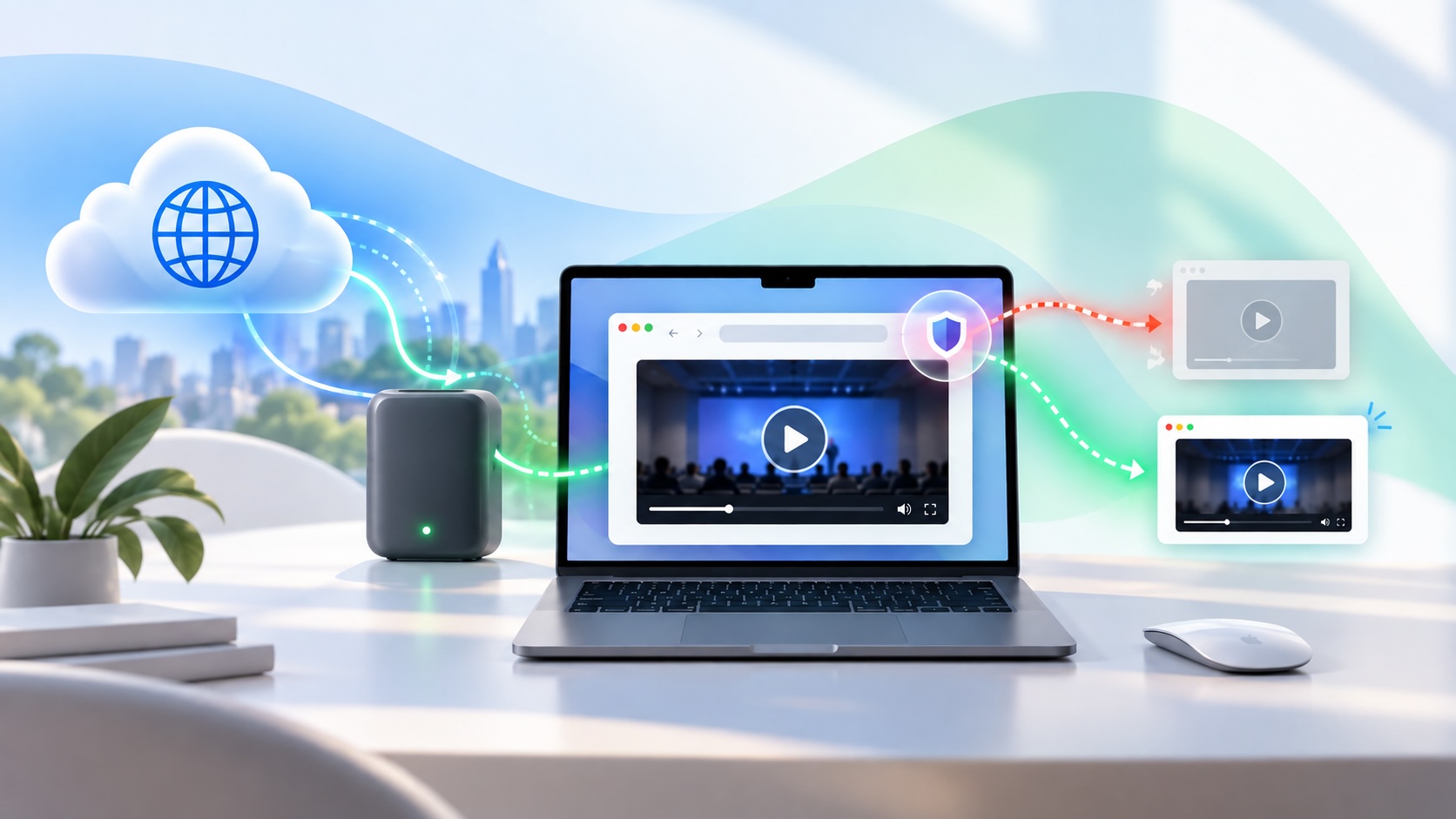
When Chromium Mistakes Your VPN for a Local Network
Turning off Jamf Trust fixed the webinar, which normally would have sent me straight to its routing policies. This time the route was fine: Chromium was treating Jamf's ZTNA broker addresses as a local network, and an Edge and Chrome preference corrected it.

Clamshell iBook G3 Restoration, Part 1: From Broken Screen to Board-Level Repair
Part one of a Clamshell iBook G3 restoration: a broken screen, a charger detour, a blinking system folder, a full teardown, and the backlight connector mistake that paused the project.
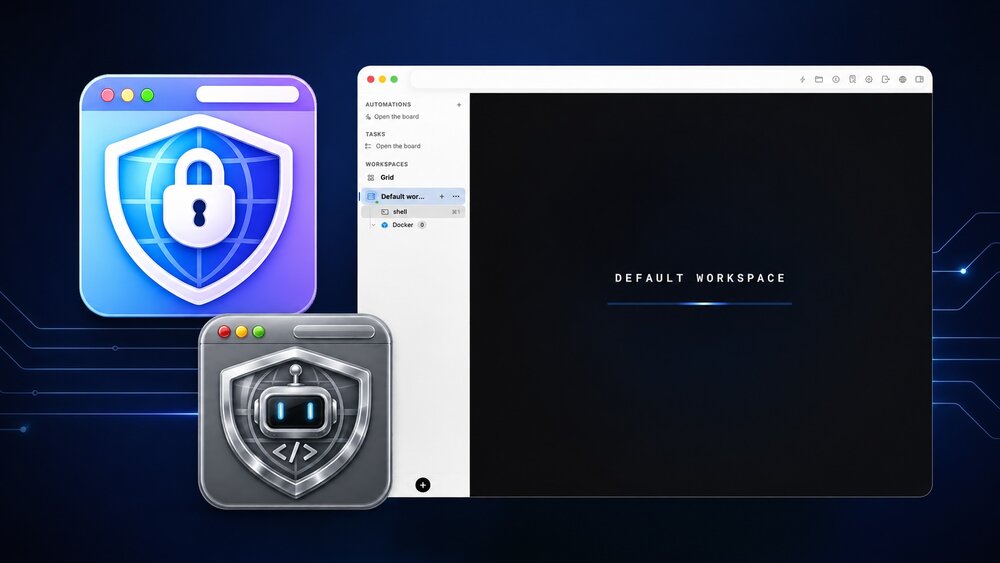
Bromure Gives Codex a Room of Its Own
I installed Bromure Agentic Coding, watched it build the Linux VM, authenticated Codex, and followed a real Codex task through the workspace.
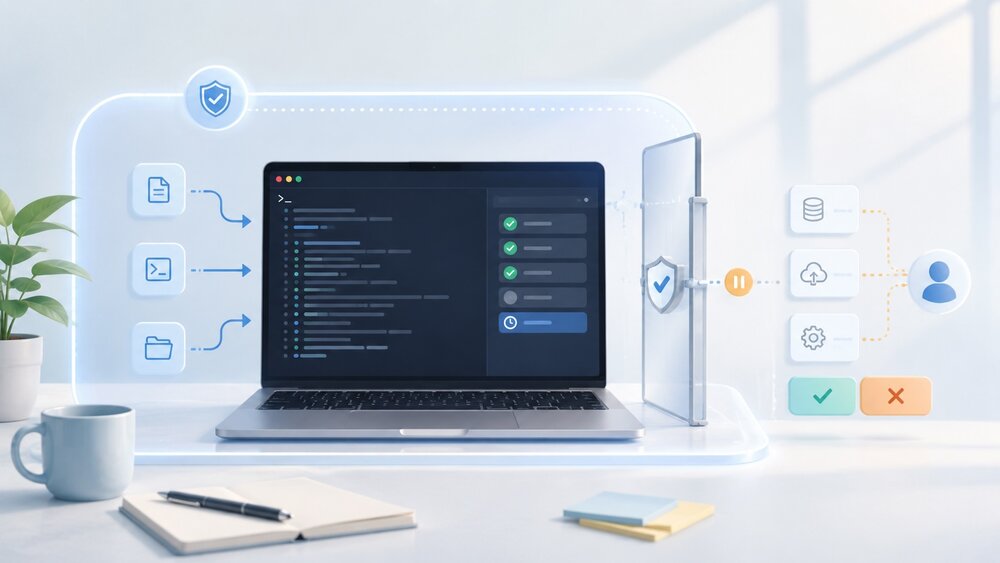
Claude Code Auto Mode Changes Approval Flow, Not the Safety Boundary
Claude Code Auto mode changes how approval decisions are handled. It does not expand the boundary of what the coding agent should be allowed to do.

Amnesia Stealer Shows the Next Stage of ClickFix on macOS
Amnesia Stealer shows how ClickFix-style social engineering is adapting on macOS, while a public malware sample gives defenders an opportunity to study the behavior behind the campaign.
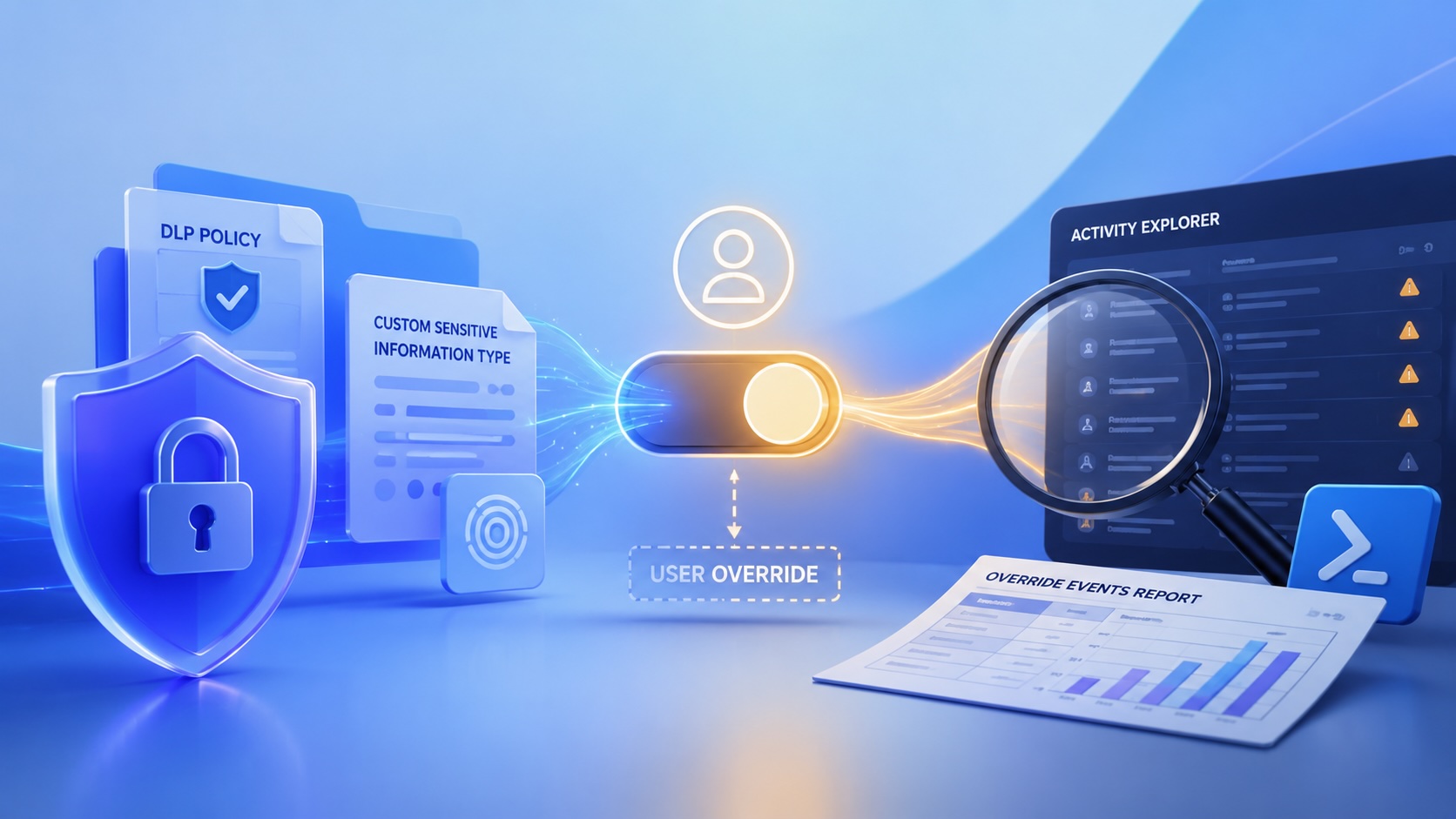
Reporting on Microsoft 365 DLP Overrides with PowerShell
DLP overrides are not automatically bad. They are a business process that needs visibility. This walkthrough covers a Microsoft Purview DLP policy, a custom sensitive information type, user override behavior, and a PowerShell report that exports override events from Activity Explorer.

PowerBook 140 BlueSCSI Install: Cable Fixed, Battery-Bay Power, and Wi-Fi Setup
The PowerBook 140 project moved from preparing a BlueSCSI card in Basilisk II to installing the repaired internal SCSI cable, powering the BlueSCSI Pico externally from the battery bay, booting System 7.1, and fighting through DaynaPORT Wi-Fi setup.
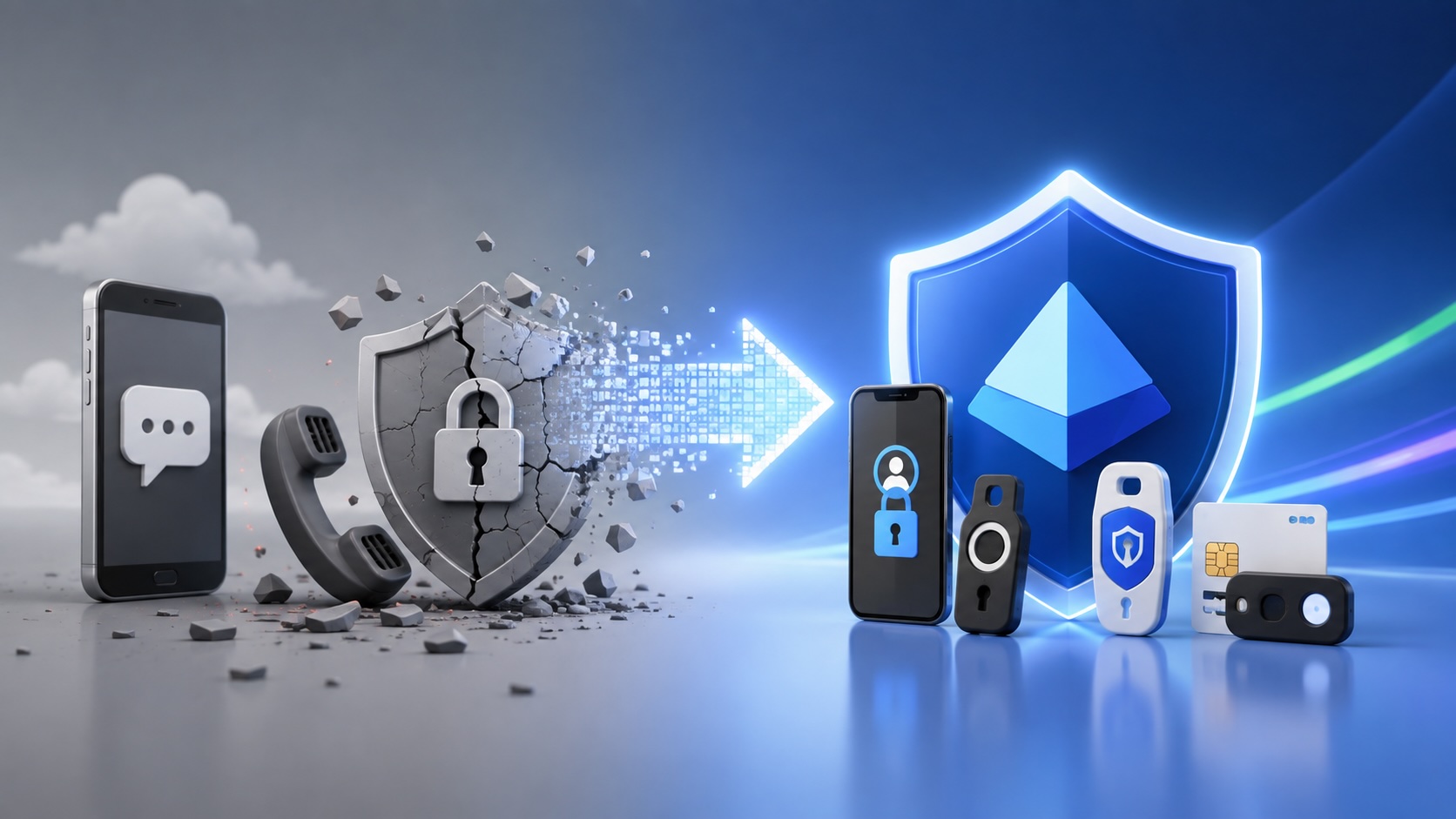
Move Entra Users Off SMS and Voice Before Microsoft Retires Them
Microsoft is retiring Microsoft-provided SMS and voice authentication in Entra ID. The migration is not passkeys for everyone; it is removing weak telecom MFA and choosing supported replacement methods such as Microsoft Authenticator, FIDO2 keys, certificate-based authentication, OATH hardware tokens, or customer-managed telecom.

Fixing a Broken Apple Cinema Display Stand with a 3D Printed Leg
A 22-inch Apple Cinema Display arrived with a broken acrylic easel stand, so I used a 3D printed replacement leg instead of sending the monitor back.
macOS Tahoe 26.6.1 Fixes a High-Severity Screen Sharing Authentication Bypass
macOS Tahoe 26.6.1 fixes CVE-2026-65400, a high-severity Screen Sharing authentication issue where an attacker on the network may be able to authenticate without valid credentials.