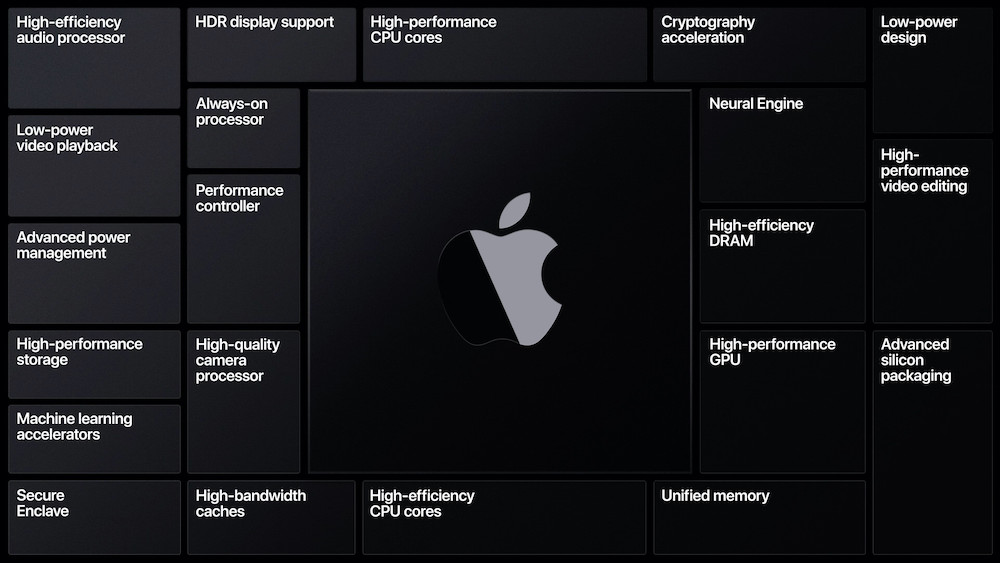

We called it earlier this week saying Apple is likely to move Macs to their own ARM based processors, Well Apple have announced Macs will be available with ‘Apple Silicon’ from late 2020.
So, what does it mean for you if you have just bought a Summer 2020 Mac? Very little in all fairness as we discussed in the article earlier this week Intel Macs will still be relevant for most of the 2020’s the final death nail will probably be App developers no longer supporting Intel processors much like the transition from PowerPC to Intel back in 2006.
At the WWDC Apple made all the Mac presentations on their own ARM processors which Apple are calling ‘Apple Silicon’. In these presentations we saw the new ARM based chips running Linux and Windows 10 in Virtual Machines.
Indeed, the Microsoft Surface Pro X runs on an ARM based processor already so we know Windows already supports ARM processors so boot camping or running Windows in a VM will still be possible.
Apple has announced Rosetta 2 which will allow Intel Apps to run on the new Apple Silicon for several years to come. We don’t expect the last Intel Mac to ship until sometime in 2022 if not later depending on how the Apple Silicon & Intel chips progress in the next 2 years.
Already if you are a registered Apple Developer you can apply to purchase a Mac Mini with Apple Silicon , for everyone else expect an announcement from Apple this fall with a Mac line up running on Apple’s new ARM processors.
AI Usage Transparency Report
Pre-AI Era · Written before widespread use of generative AI tools
AI Signal Composition
Score: 0.03 · Low AI Influence
Summary
Apple is transitioning Macs to their own ARM-based processors, but Intel Macs will still be relevant for most of the 2020's.
Related Posts

When Chromium Mistakes Your VPN for a Local Network
Turning off Jamf Trust fixed the webinar, which normally would have sent me straight to its routing policies. This time the route was fine: Chromium was treating Jamf's ZTNA broker addresses as a local network, and an Edge and Chrome preference corrected it.
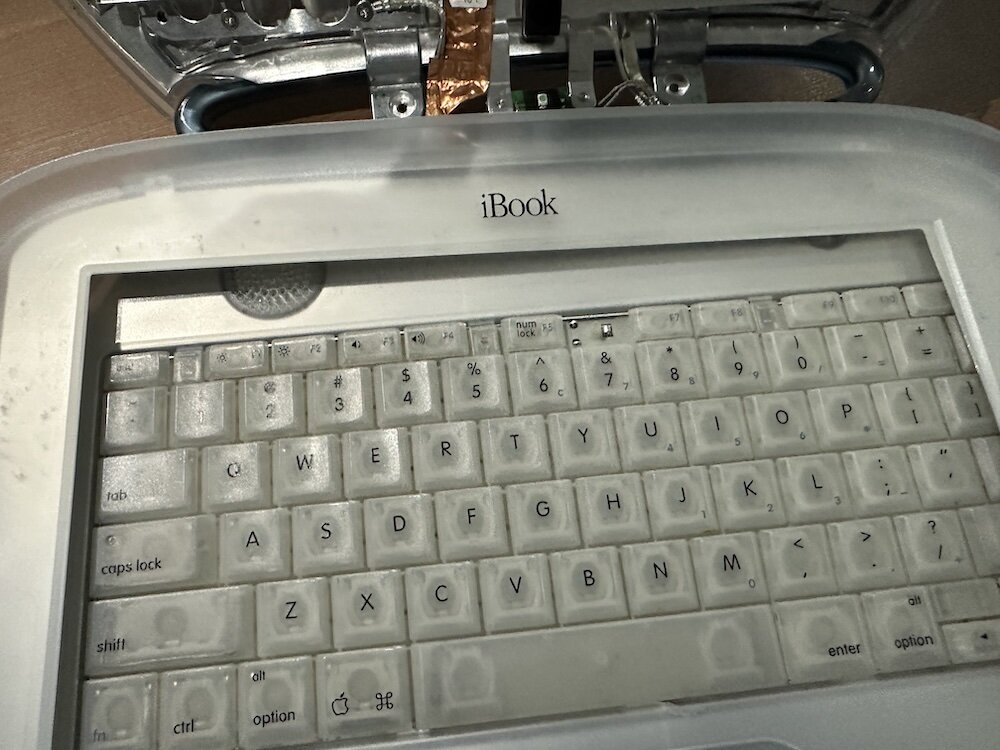
Clamshell iBook G3 Restoration, Part 1: From Broken Screen to Board-Level Repair
Part one of a Clamshell iBook G3 restoration: a broken screen, a charger detour, a blinking system folder, a full teardown, and the backlight connector mistake that paused the project.
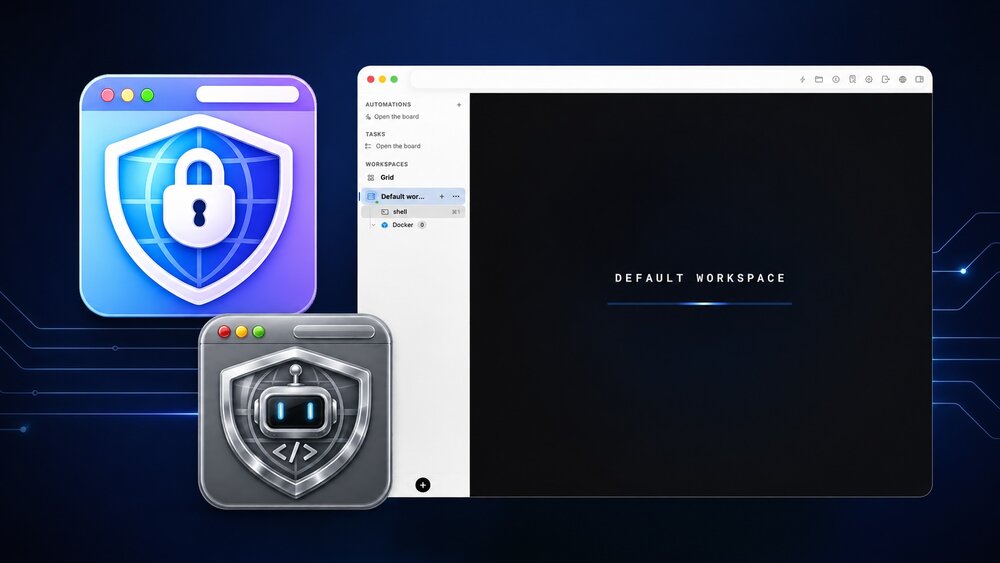
Bromure Gives Codex a Room of Its Own
I installed Bromure Agentic Coding, watched it build the Linux VM, authenticated Codex, and followed a real Codex task through the workspace.
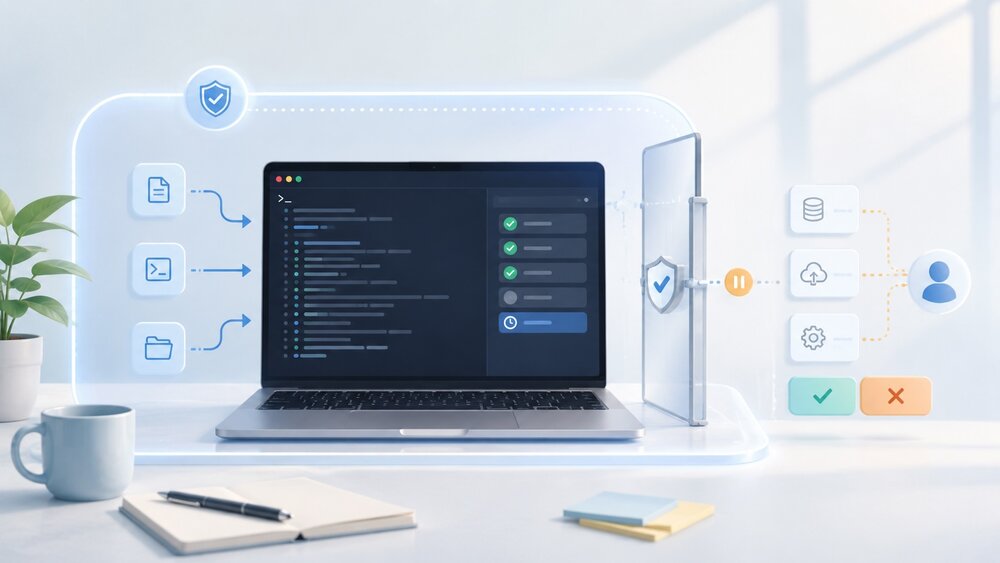
Claude Code Auto Mode Changes Approval Flow, Not the Safety Boundary
Claude Code Auto mode changes how approval decisions are handled. It does not expand the boundary of what the coding agent should be allowed to do.

Amnesia Stealer Shows the Next Stage of ClickFix on macOS
Amnesia Stealer shows how ClickFix-style social engineering is adapting on macOS, while a public malware sample gives defenders an opportunity to study the behavior behind the campaign.
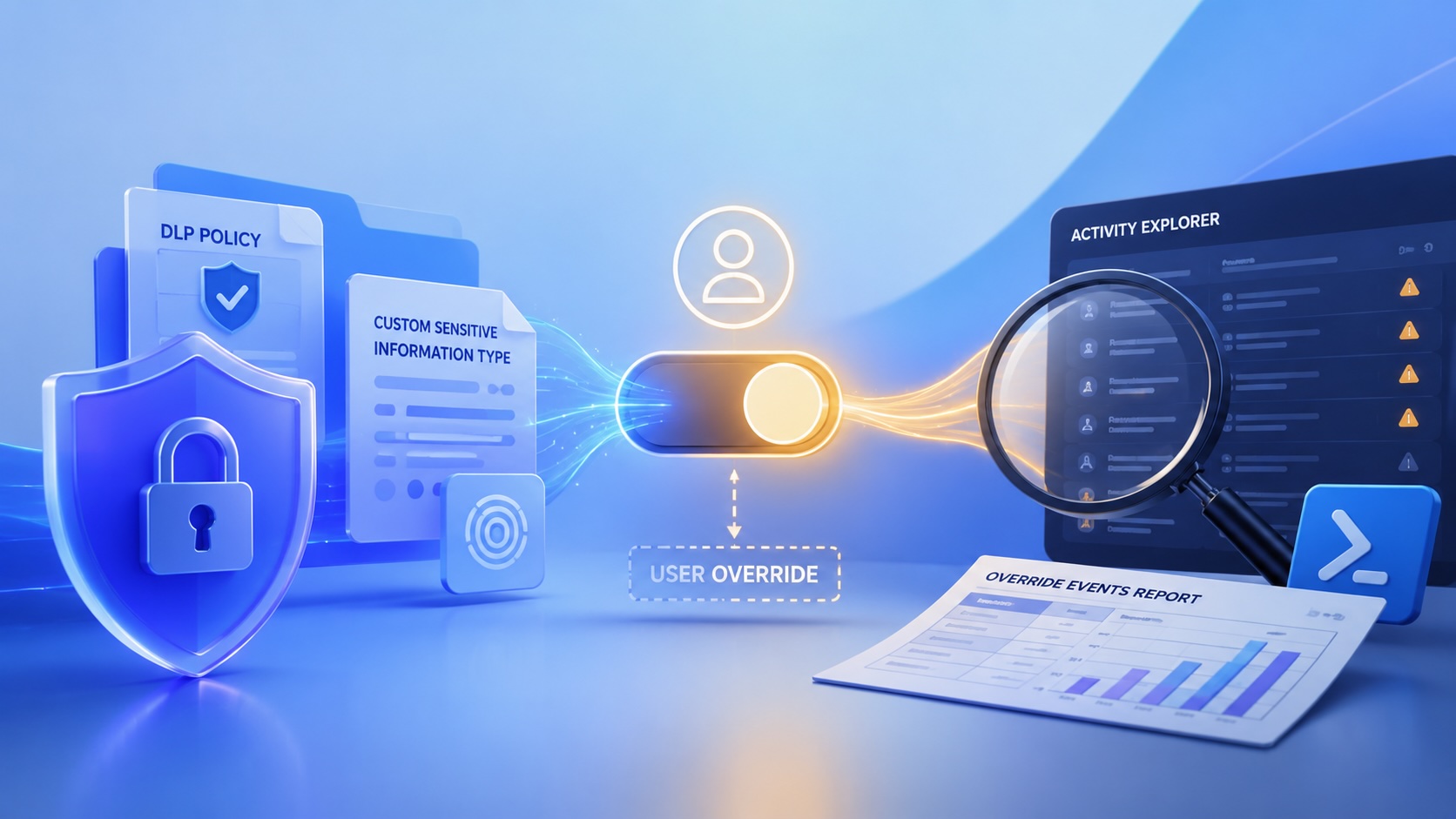
Reporting on Microsoft 365 DLP Overrides with PowerShell
DLP overrides are not automatically bad. They are a business process that needs visibility. This walkthrough covers a Microsoft Purview DLP policy, a custom sensitive information type, user override behavior, and a PowerShell report that exports override events from Activity Explorer.
PowerBook 140 BlueSCSI Install: Cable Fixed, Battery-Bay Power, and Wi-Fi Setup
The PowerBook 140 project moved from preparing a BlueSCSI card in Basilisk II to installing the repaired internal SCSI cable, powering the BlueSCSI Pico externally from the battery bay, booting System 7.1, and fighting through DaynaPORT Wi-Fi setup.

Move Entra Users Off SMS and Voice Before Microsoft Retires Them
Microsoft is retiring Microsoft-provided SMS and voice authentication in Entra ID. The migration is not passkeys for everyone; it is removing weak telecom MFA and choosing supported replacement methods such as Microsoft Authenticator, FIDO2 keys, certificate-based authentication, OATH hardware tokens, or customer-managed telecom.
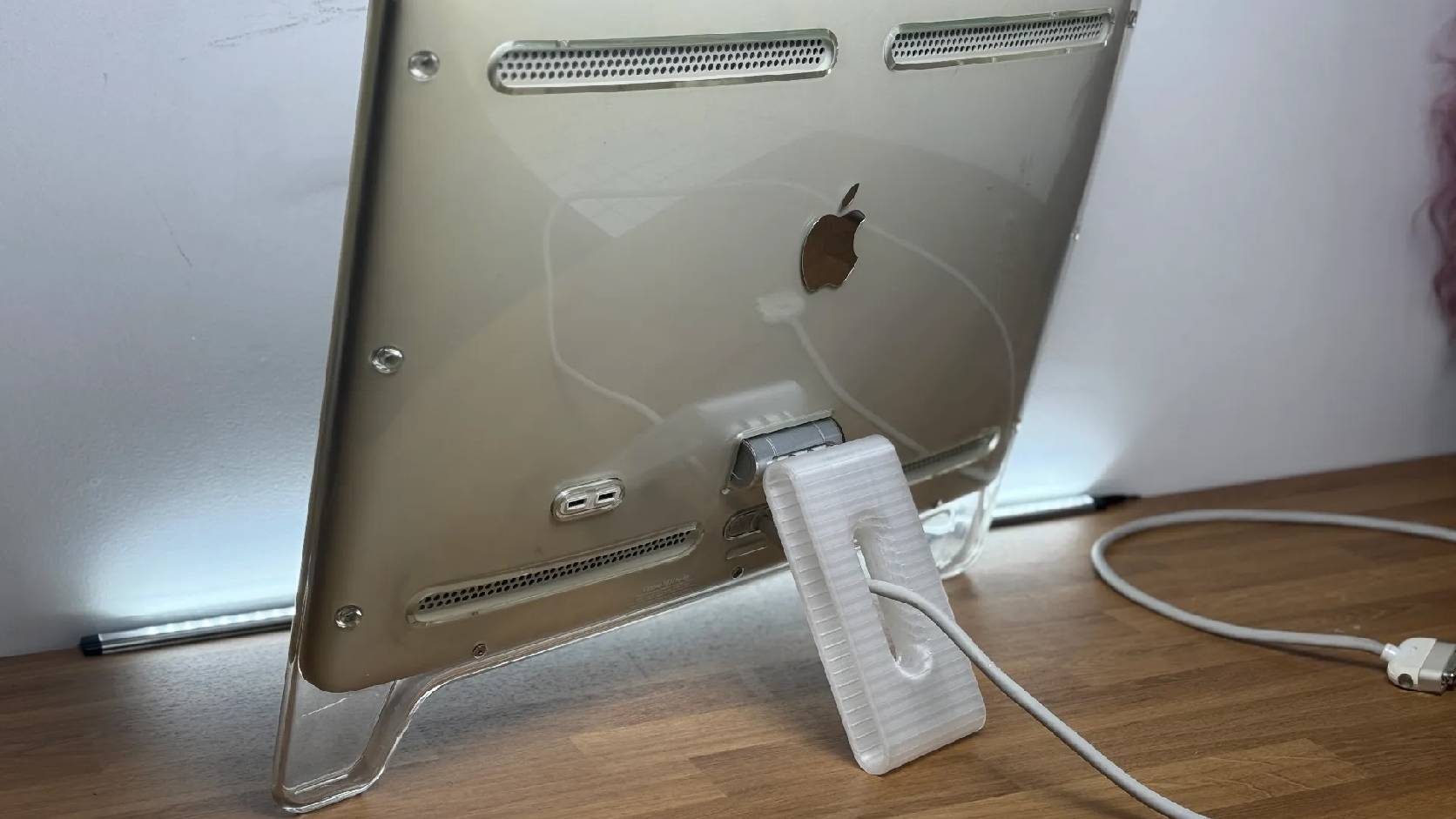
Fixing a Broken Apple Cinema Display Stand with a 3D Printed Leg
A 22-inch Apple Cinema Display arrived with a broken acrylic easel stand, so I used a 3D printed replacement leg instead of sending the monitor back.

macOS Tahoe 26.6.1 Fixes a High-Severity Screen Sharing Authentication Bypass
macOS Tahoe 26.6.1 fixes CVE-2026-65400, a high-severity Screen Sharing authentication issue where an attacker on the network may be able to authenticate without valid credentials.