
We all have things we do regularly on our iPhones, whether it’s checking the weather, searching Google, or invoking the magnifier. Apple has long provided ways of making your most common actions easier to access. You might put an app on your Dock, open Control Center, or take advantage of the triple-press Accessibility shortcut. With iOS 14, Apple has opened up a new and customizable way of triggering actions: Back Tap.
With a double or triple tap on the back of any iPhone 8 or newer running iOS 14, you can invoke any one of a variety of actions, including custom Shortcuts. Sorry, Back Tap isn’t available in iPadOS 14.
Enabling Back Tap is easy, although you might not stumble upon it on your own. That’s because it’s technically an accessibility feature for those who have trouble interacting with the iPhone physically. But just as curb cuts help both those in wheelchairs and stroller-pushing parents, the Back Tap feature is a boon for everyone.
Go to Settings > Accessibility > Touch > Back Tap (it’s way down at the bottom), where you can attach actions to both double tap and a triple tap.
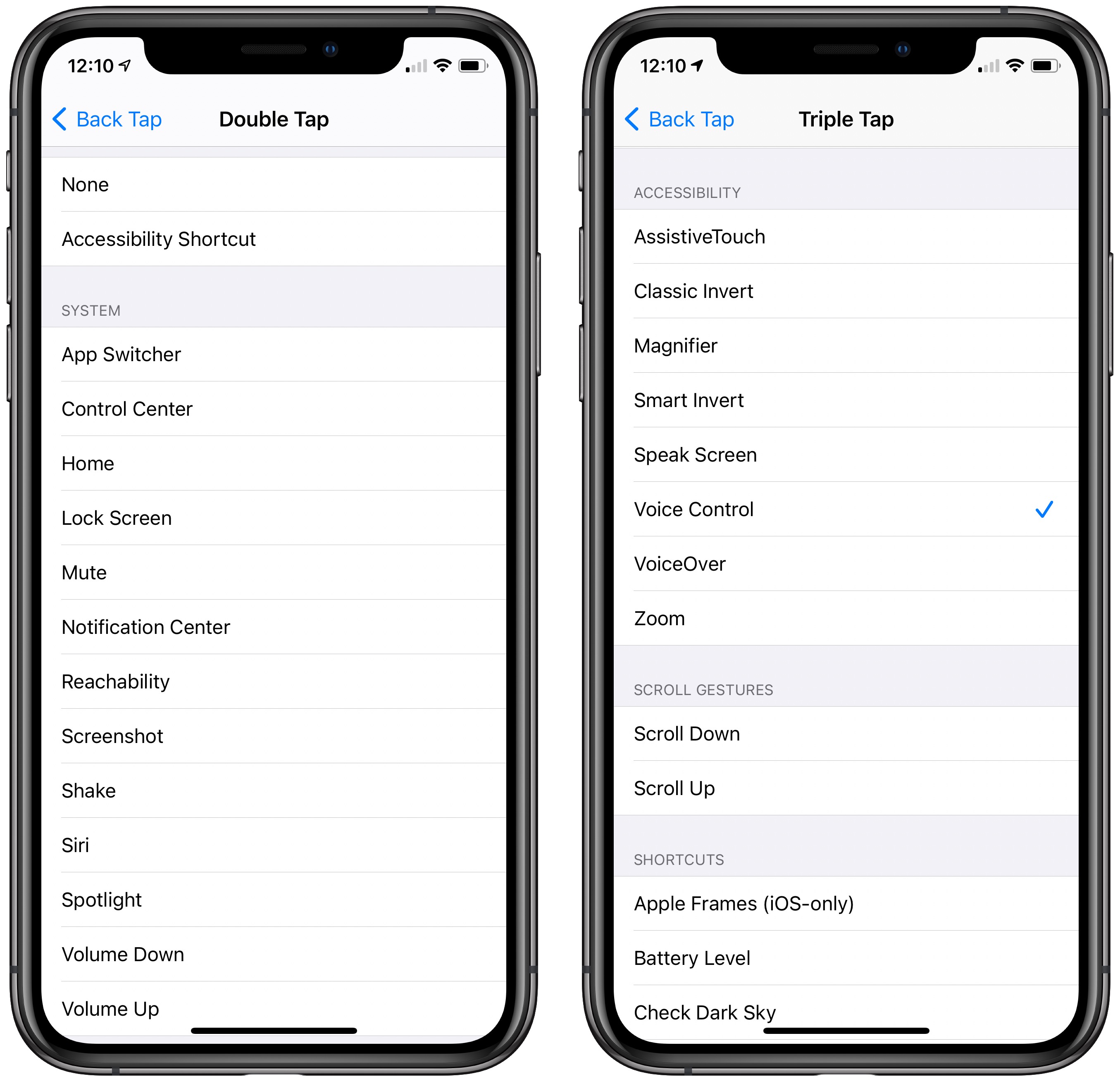
Apple provides a broad set of actions, but most of them are focused on helping people who can’t use other iPhone gestures. So yes, you could make a double tap open Spotlight for searching, but unless that’s somehow a lot easier than swiping down on the Home screen, it’s not worth one of your two triggers. Actions fall into four categories:
- System: Most of the System choices mimic easy Home screen gestures or button presses. Most interesting are Mute, which toggles the ringer volume without forcing you to press the Volume Down button repeatedly, and Screenshot, which takes a picture of your screen without making you press two buttons at once.
- Accessibility: For those who need these Accessibility options, having them easily accessible via Back Tap will be welcome. The most compelling actions for the general public are Magnifier, Speak Screen, and Voice Control. (Voice Control provides much more capable dictation than Siri.)
- Scroll Gestures: These options scroll a vertically oriented page or screen. Sadly, they don’t work for horizontally driven page flipping in book reading apps like Libby.
- Shortcuts: Here’s where Back Tap becomes ultimately useful, at least if you can find or build the necessary shortcuts. Anything Shortcuts can do, you can invoke with a double or triple tap.
Wait, what’s Shortcuts? It’s an automation app that Apple includes with every iPhone. With it, you can chain together multiple actions derived from iOS capabilities or provided by your apps to create custom shortcuts. Other systems call similar collections of commands macros or automations or workflows.
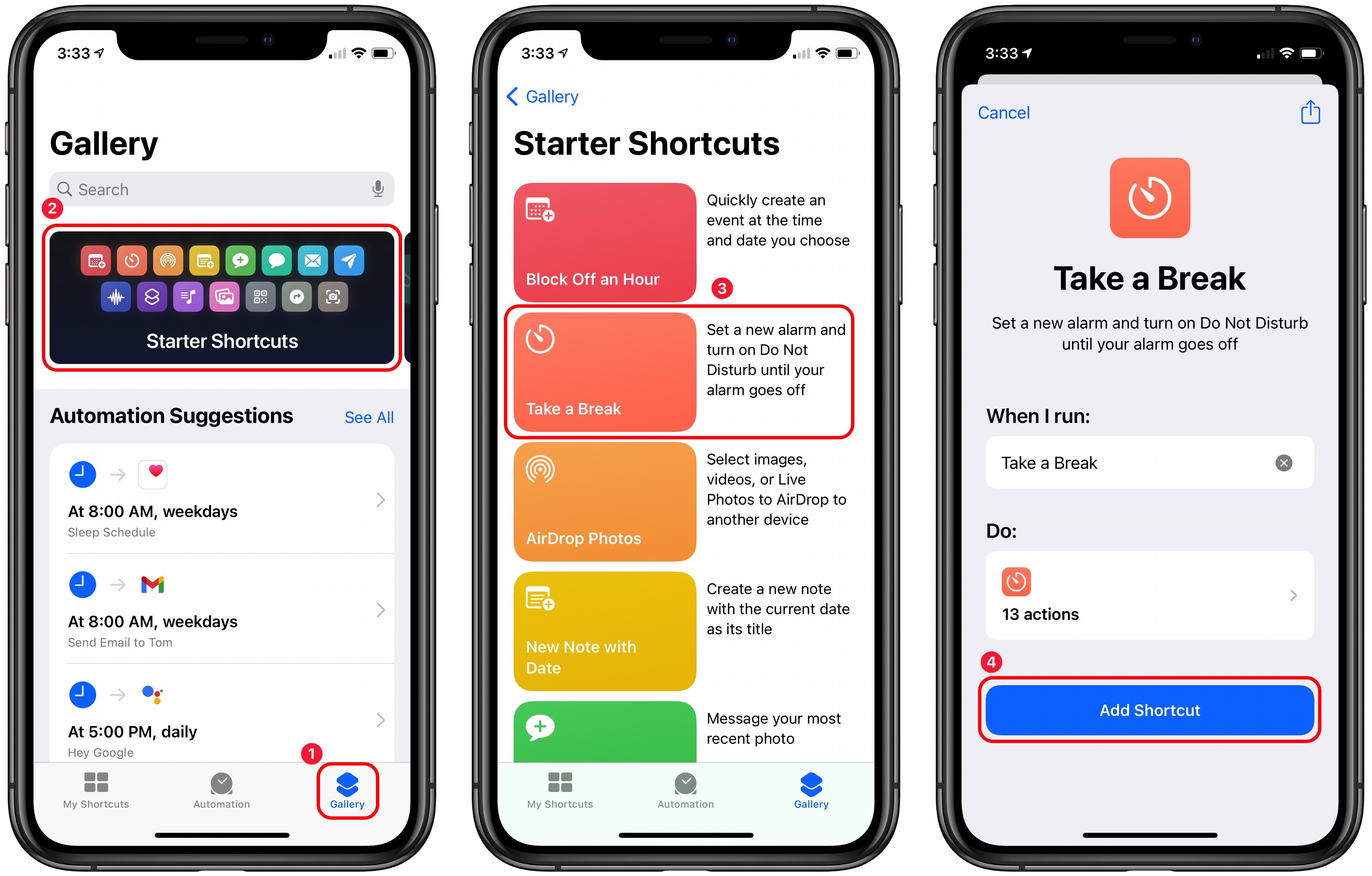
Explaining how to build your own shortcuts is a topic for another day, but you can also download sample shortcuts from Apple’s gallery, both to see how it’s done and to use them. For instance, if you tap the Gallery button in Shortcuts ➊, tap Starter Shortcuts ➋, tap Take a Break ➌, and tap Add Shortcut ➍, you’ll copy the Take a Break shortcut to My Shortcuts. Then you can assign a double tap in Back Tap to invoke Take a Break, which sets an alarm for a specified number of minutes and turns on Do Not Disturb until the alarm goes off.
Give it a try! Back Tap might turn out to be the iOS 14 feature you use more frequently than any other.
AI Usage Transparency Report
Pre-AI Era · Written before widespread use of generative AI tools
AI Signal Composition
Score: 0.06 · Low AI Influence
Summary
Back Tap is a customizable way of triggering actions on iOS 14, allowing users to invoke various actions with a double or triple tap on the back of their iPhone.
Related Posts
When Chromium Mistakes Your VPN for a Local Network
Turning off Jamf Trust fixed the webinar, which normally would have sent me straight to its routing policies. This time the route was fine: Chromium was treating Jamf's ZTNA broker addresses as a local network, and an Edge and Chrome preference corrected it.
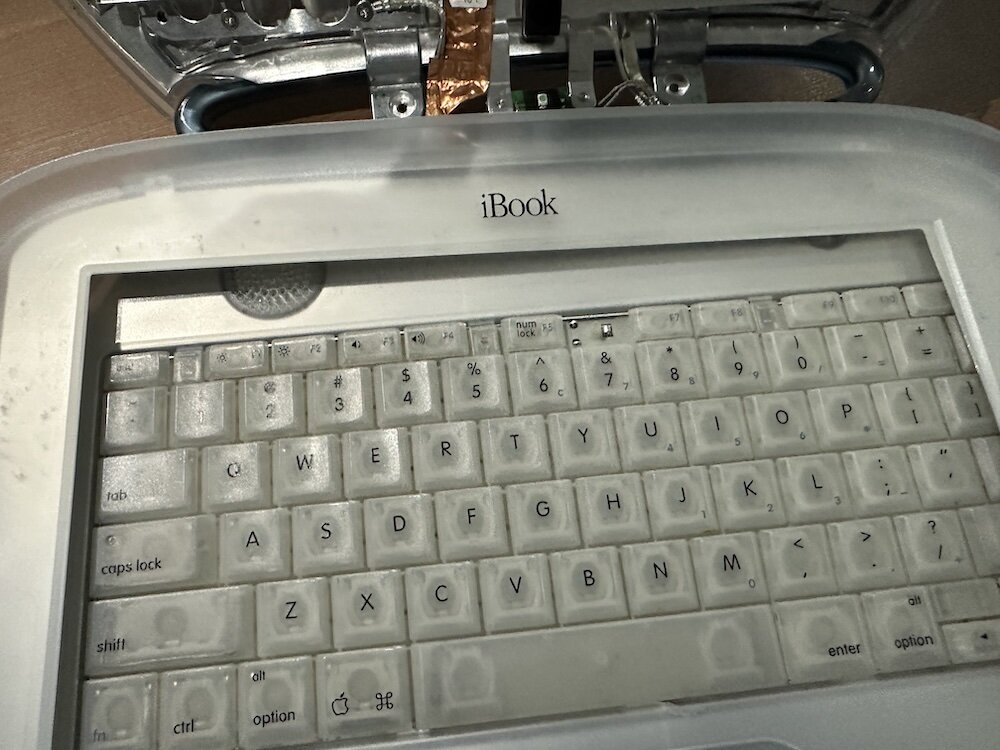
Clamshell iBook G3 Restoration, Part 1: From Broken Screen to Board-Level Repair
Part one of a Clamshell iBook G3 restoration: a broken screen, a charger detour, a blinking system folder, a full teardown, and the backlight connector mistake that paused the project.
Bromure Gives Codex a Room of Its Own
I installed Bromure Agentic Coding, watched it build the Linux VM, authenticated Codex, and followed a real Codex task through the workspace.
Claude Code Auto Mode Changes Approval Flow, Not the Safety Boundary
Claude Code Auto mode changes how approval decisions are handled. It does not expand the boundary of what the coding agent should be allowed to do.

Amnesia Stealer Shows the Next Stage of ClickFix on macOS
Amnesia Stealer shows how ClickFix-style social engineering is adapting on macOS, while a public malware sample gives defenders an opportunity to study the behavior behind the campaign.
Reporting on Microsoft 365 DLP Overrides with PowerShell
DLP overrides are not automatically bad. They are a business process that needs visibility. This walkthrough covers a Microsoft Purview DLP policy, a custom sensitive information type, user override behavior, and a PowerShell report that exports override events from Activity Explorer.
PowerBook 140 BlueSCSI Install: Cable Fixed, Battery-Bay Power, and Wi-Fi Setup
The PowerBook 140 project moved from preparing a BlueSCSI card in Basilisk II to installing the repaired internal SCSI cable, powering the BlueSCSI Pico externally from the battery bay, booting System 7.1, and fighting through DaynaPORT Wi-Fi setup.

Move Entra Users Off SMS and Voice Before Microsoft Retires Them
Microsoft is retiring Microsoft-provided SMS and voice authentication in Entra ID. The migration is not passkeys for everyone; it is removing weak telecom MFA and choosing supported replacement methods such as Microsoft Authenticator, FIDO2 keys, certificate-based authentication, OATH hardware tokens, or customer-managed telecom.
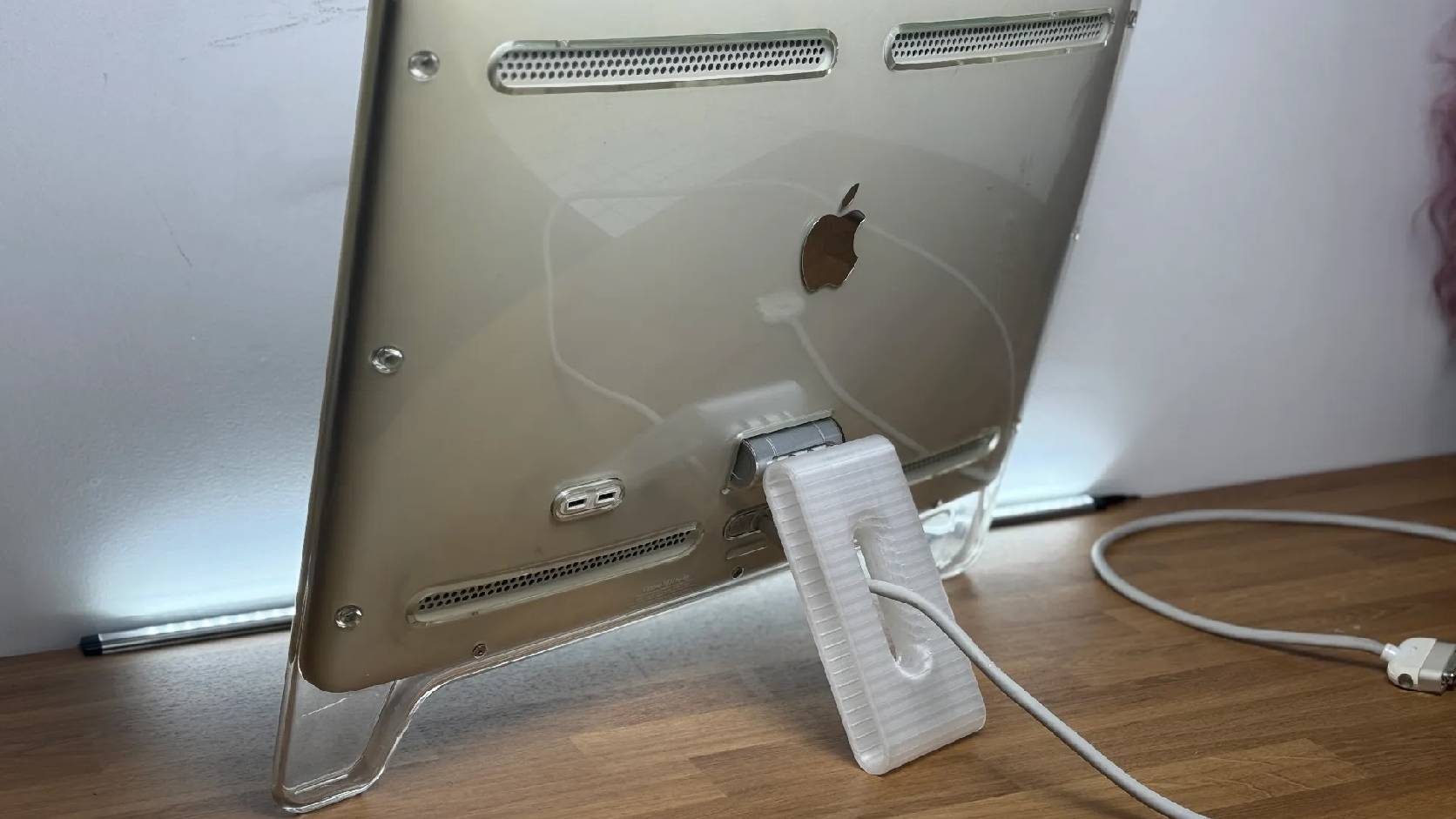
Fixing a Broken Apple Cinema Display Stand with a 3D Printed Leg
A 22-inch Apple Cinema Display arrived with a broken acrylic easel stand, so I used a 3D printed replacement leg instead of sending the monitor back.
macOS Tahoe 26.6.1 Fixes a High-Severity Screen Sharing Authentication Bypass
macOS Tahoe 26.6.1 fixes CVE-2026-65400, a high-severity Screen Sharing authentication issue where an attacker on the network may be able to authenticate without valid credentials.