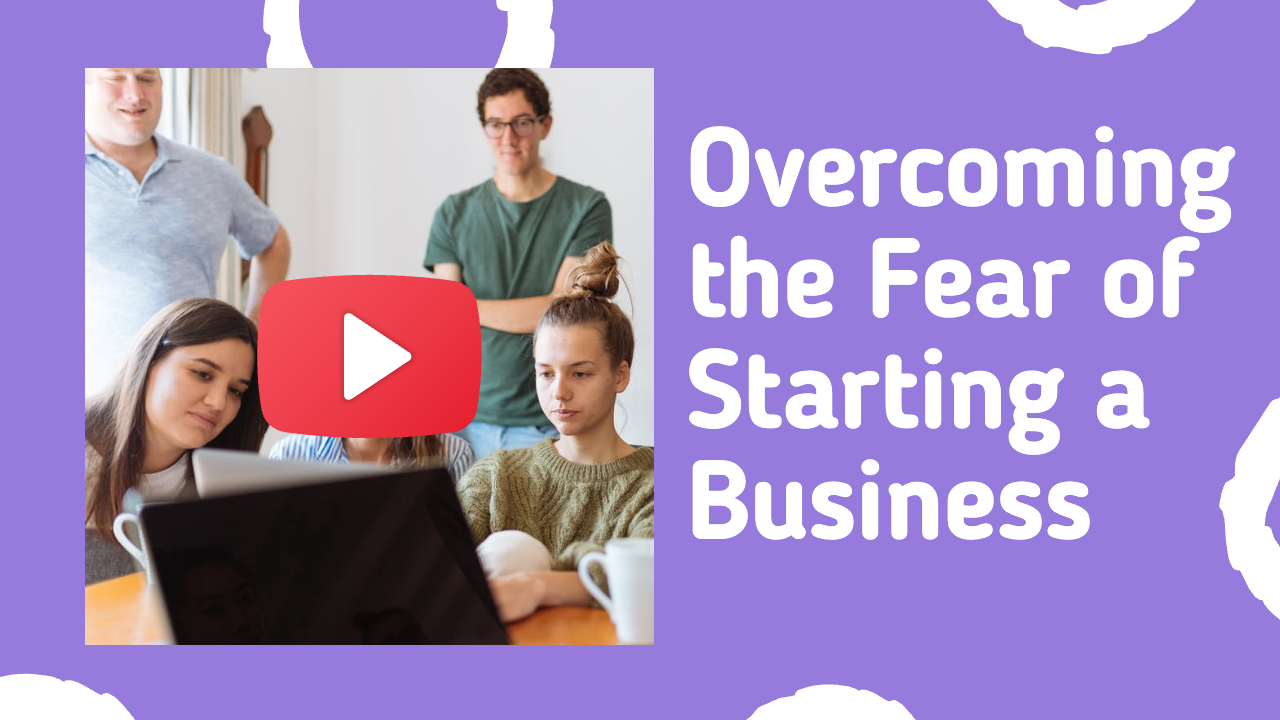

Starting a business is often less about knowing exactly what to do and more about deciding that uncertainty is not a good enough reason to stay still. One of the biggest mistakes new founders make is assuming they need to understand every part of business before they begin. In reality, that kind of overplanning can become its own form of fear.
Looking back, one of the most important lessons I learned is that it is possible to start a business before you feel fully ready. That does not mean being reckless. It means understanding that experience is often built through action, not through endless preparation. If you wait until every answer is clear, you may never begin at all.
For many people, the most immediate fear is financial. That was true for me as well. The concern was not just whether the business idea was good. It was whether I would have enough stability to keep moving if things started slowly. That fear is legitimate, and it is one of the main reasons many capable people delay starting something they care about.
What helped was approaching the risk in a measured way. I did not walk away from everything at once. I built a financial cushion first, kept working full time while the business was getting off the ground, and phased my transition over time. That created room to learn without putting unnecessary pressure on the business in its earliest stage.
It also helped to be honest. Early clients were not responding to a polished corporate image. They were responding to trust, transparency, and a belief in what I was trying to build. Being upfront about where I was in the journey made those early relationships stronger, not weaker. In many cases, people are willing to support a new business when they believe in the person behind it and understand the value being offered.
The broader lesson is that starting small does not make the work less real. A business does not have to begin at full scale to matter. It can start as a side effort, grow at a measured pace, and still become something meaningful. Too often, people dismiss that path as a hobby simply because it does not look large on day one. That is a mistake. A smaller start can be the most responsible and sustainable way to build something real.
Overcoming the fear of starting a business is not about eliminating risk. It is about choosing a path that lets you move forward responsibly. If you can manage the downside, stay honest about what you are building, and keep making progress, you do not need a perfect plan to begin. You need a practical first step and the willingness to take it.
AI Usage Transparency Report
AI Era · Written during widespread use of AI tools
AI Signal Composition
Score: 0.1 · Low AI Influence
Summary
Starting a business is often less about knowing exactly what to do and more about deciding that uncertainty is not a good enough reason to stay still.
Related Posts
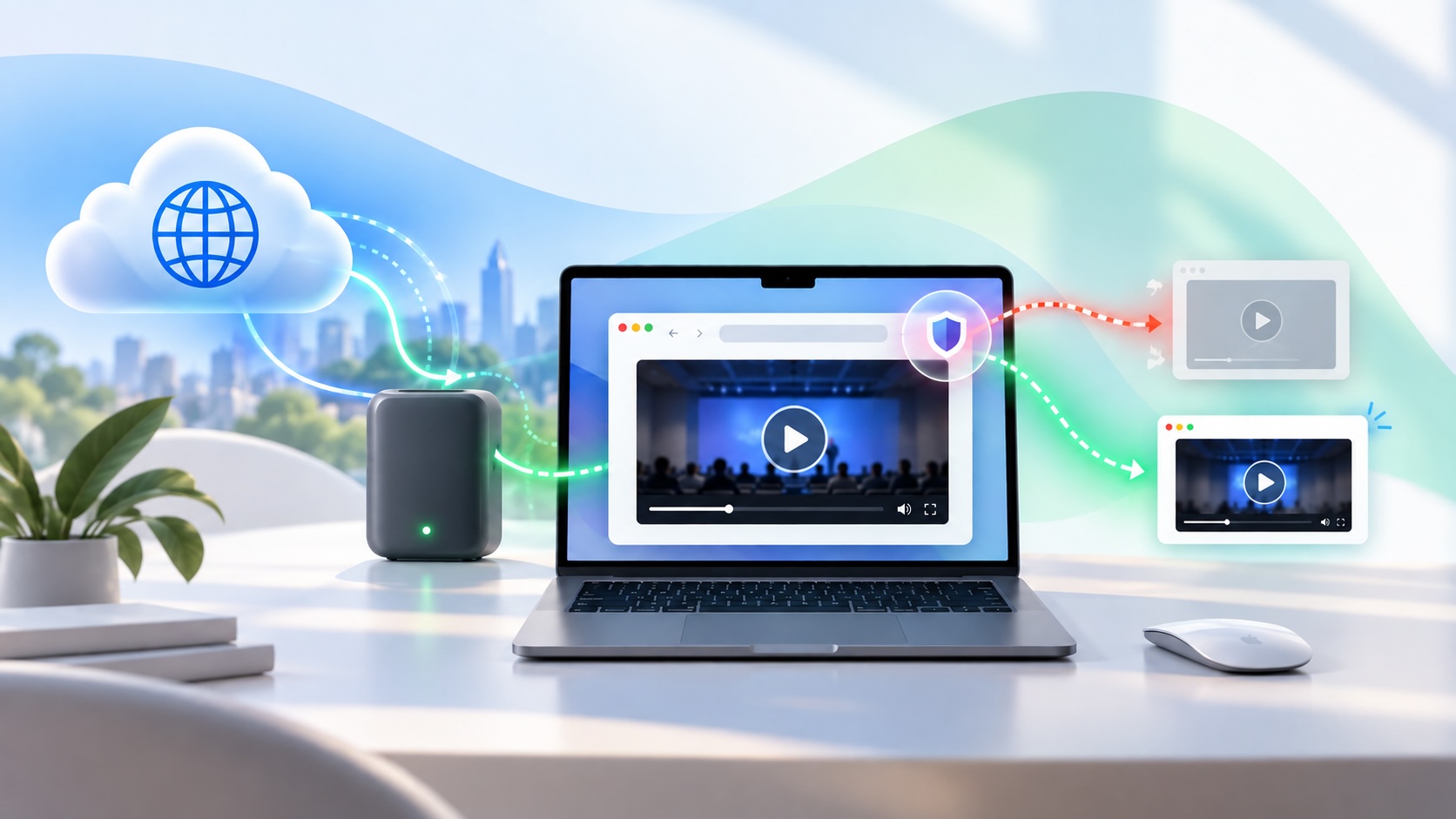
When Chromium Mistakes Your VPN for a Local Network
Turning off Jamf Trust fixed the webinar, which normally would have sent me straight to its routing policies. This time the route was fine: Chromium was treating Jamf's ZTNA broker addresses as a local network, and an Edge and Chrome preference corrected it.

Clamshell iBook G3 Restoration, Part 1: From Broken Screen to Board-Level Repair
Part one of a Clamshell iBook G3 restoration: a broken screen, a charger detour, a blinking system folder, a full teardown, and the backlight connector mistake that paused the project.
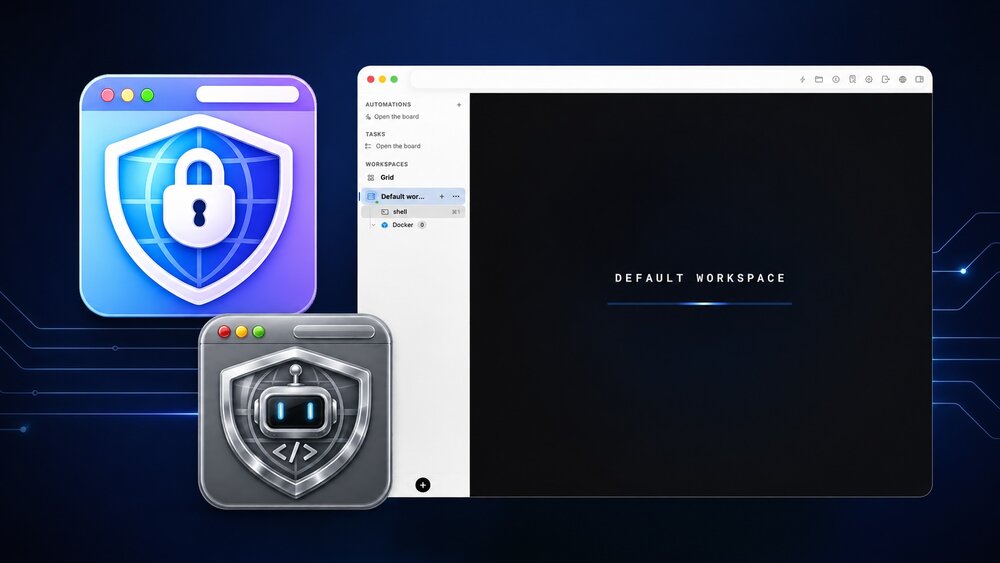
Bromure Gives Codex a Room of Its Own
I installed Bromure Agentic Coding, watched it build the Linux VM, authenticated Codex, and followed a real Codex task through the workspace.

Claude Code Auto Mode Changes Approval Flow, Not the Safety Boundary
Claude Code Auto mode changes how approval decisions are handled. It does not expand the boundary of what the coding agent should be allowed to do.

Amnesia Stealer Shows the Next Stage of ClickFix on macOS
Amnesia Stealer shows how ClickFix-style social engineering is adapting on macOS, while a public malware sample gives defenders an opportunity to study the behavior behind the campaign.

Reporting on Microsoft 365 DLP Overrides with PowerShell
DLP overrides are not automatically bad. They are a business process that needs visibility. This walkthrough covers a Microsoft Purview DLP policy, a custom sensitive information type, user override behavior, and a PowerShell report that exports override events from Activity Explorer.
PowerBook 140 BlueSCSI Install: Cable Fixed, Battery-Bay Power, and Wi-Fi Setup
The PowerBook 140 project moved from preparing a BlueSCSI card in Basilisk II to installing the repaired internal SCSI cable, powering the BlueSCSI Pico externally from the battery bay, booting System 7.1, and fighting through DaynaPORT Wi-Fi setup.

Move Entra Users Off SMS and Voice Before Microsoft Retires Them
Microsoft is retiring Microsoft-provided SMS and voice authentication in Entra ID. The migration is not passkeys for everyone; it is removing weak telecom MFA and choosing supported replacement methods such as Microsoft Authenticator, FIDO2 keys, certificate-based authentication, OATH hardware tokens, or customer-managed telecom.
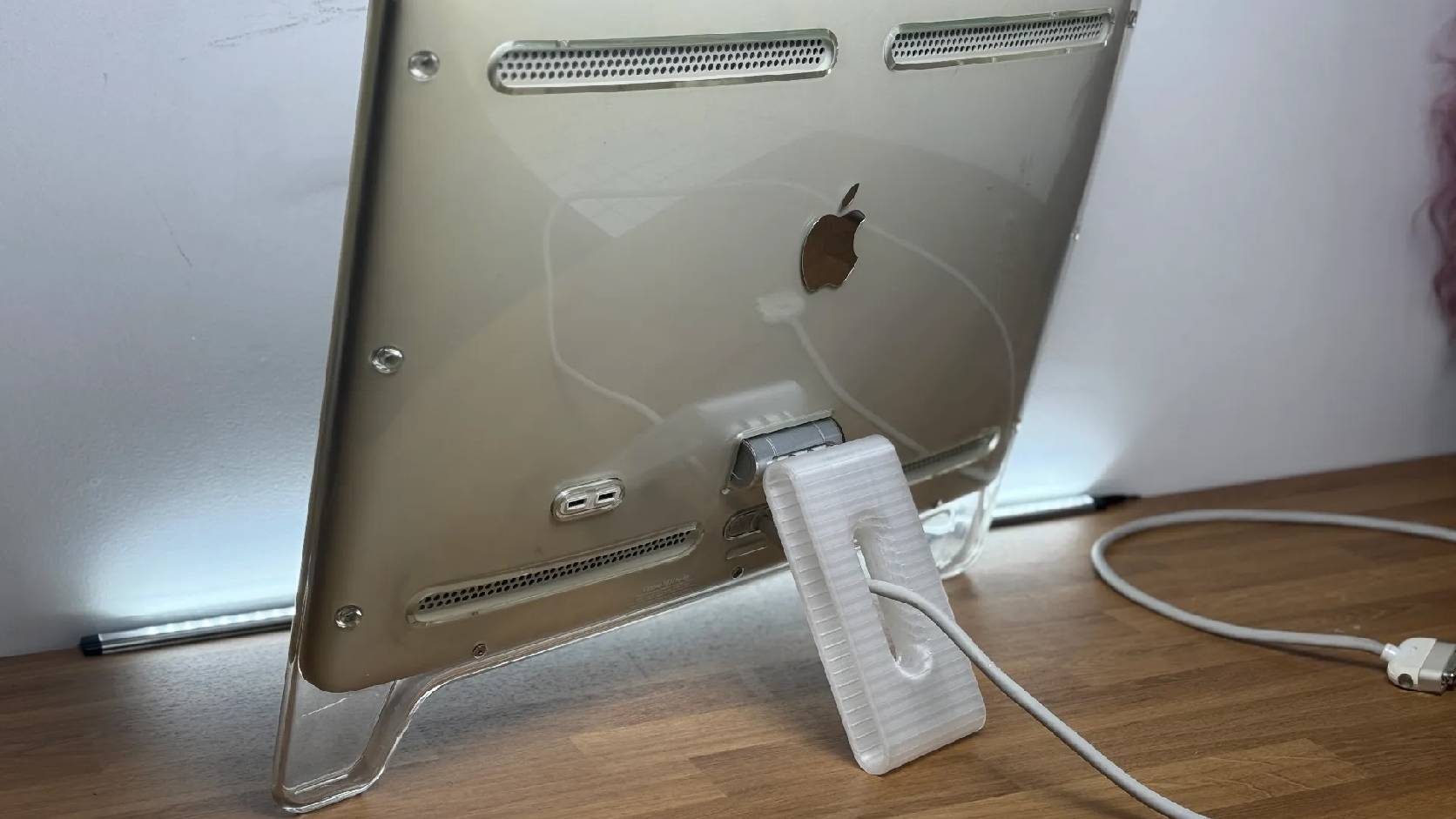
Fixing a Broken Apple Cinema Display Stand with a 3D Printed Leg
A 22-inch Apple Cinema Display arrived with a broken acrylic easel stand, so I used a 3D printed replacement leg instead of sending the monitor back.

macOS Tahoe 26.6.1 Fixes a High-Severity Screen Sharing Authentication Bypass
macOS Tahoe 26.6.1 fixes CVE-2026-65400, a high-severity Screen Sharing authentication issue where an attacker on the network may be able to authenticate without valid credentials.