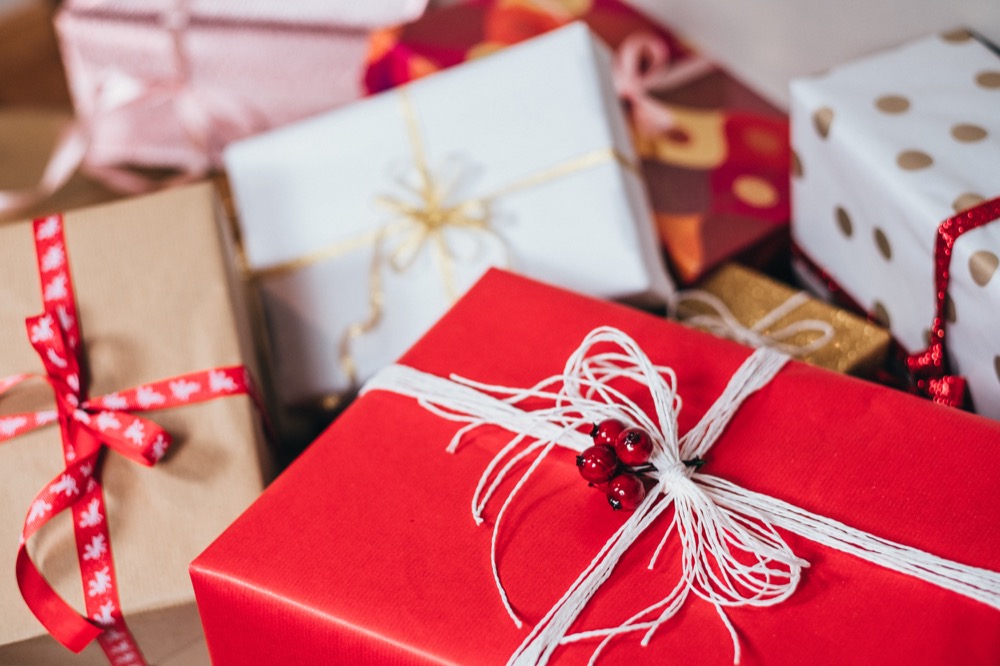

It may seem early to think about holiday shopping, but even as the global supply chain recovers from pandemic-related slowdowns, ship dates remain unpredictable. If you want to make sure you have an Apple something for that special someone, we recommend buying it soon. Here are our recommendations
AirTag
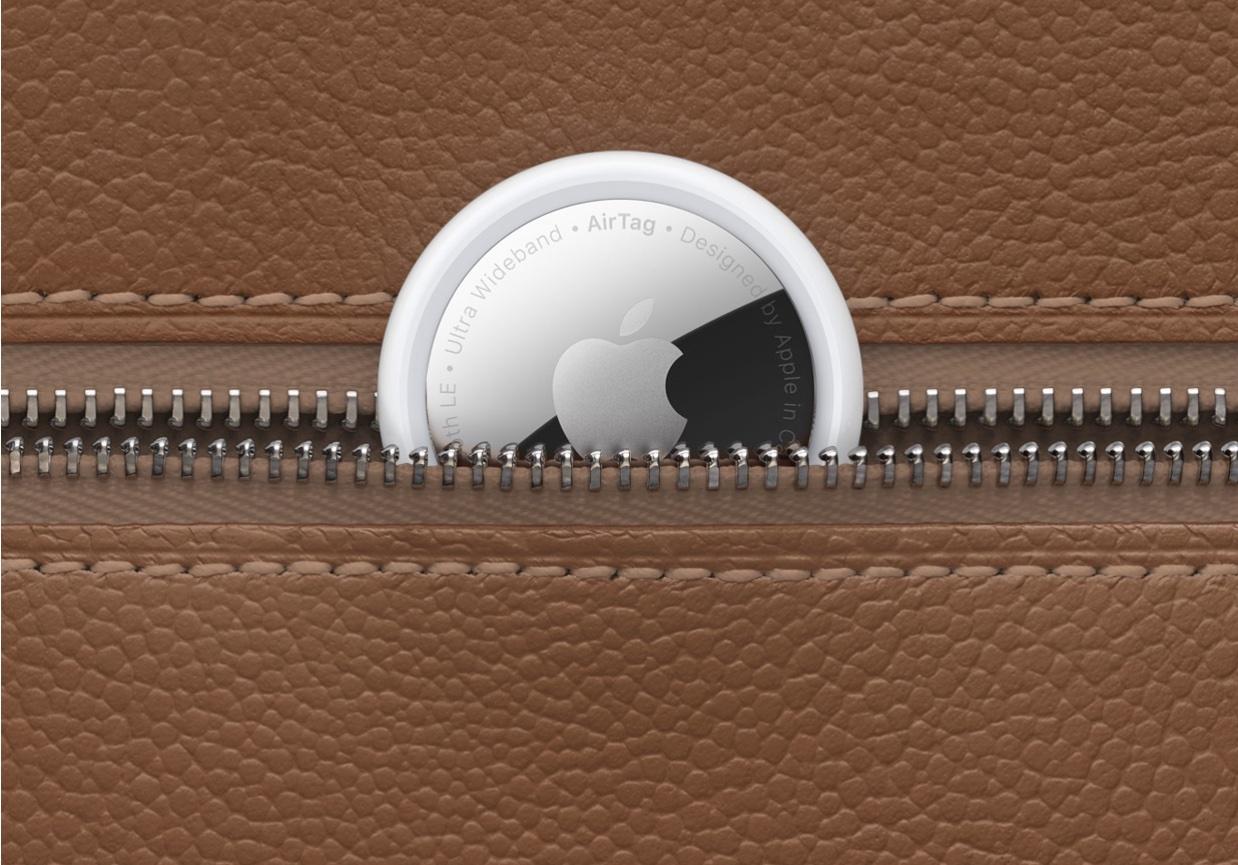
Do you know someone who’s always misplacing their keys, purse, or backpack, or who’s planning a big trip? They might appreciate Apple’s AirTag tracker this holiday season. Attach one to a keyring (with a separate $29 AirTag Loop, $35 AirTag Leather Key Ring, or $39 AirTag Leather Loop) or drop it in a bag, and from then on, they can use the iPhone’s Find My app to see where they left their stuff. AirTag uses the Find My network, so even if the item is far away, passing Apple devices that detect it can securely share its location with you. That makes it especially helpful for tracking down checked luggage that hasn’t arrived at its proper destination. One AirTag costs $29, or you can get a pack of four for $99. You can even have Apple personalize each AirTag with custom text and emoji.
AirPods and AirPods Pro
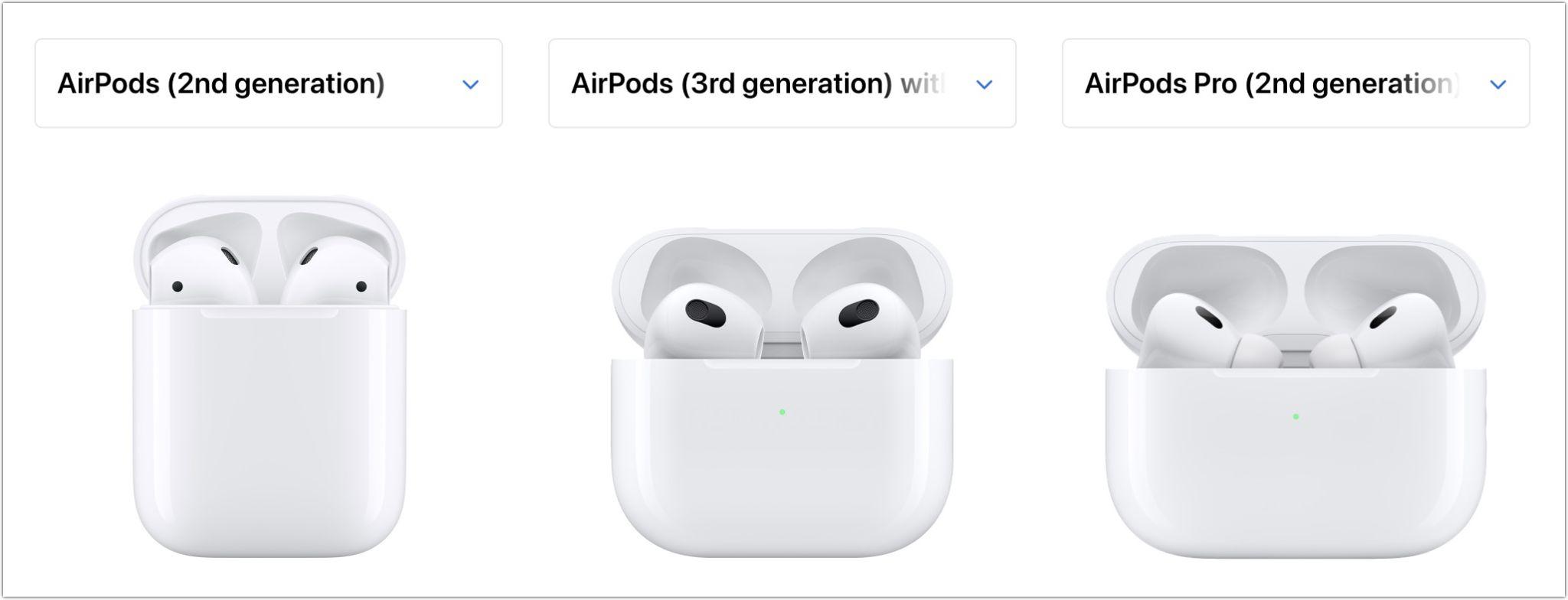
Apple’s wireless earbuds keep getting better. In September, the company released the second-generation AirPods Pro, replacing the original model and supplementing the second-generation AirPods and third-generation AirPods. All three make excellent gifts. The second-generation AirPods cost $129, have a relatively long stalk, and boast up to 5 hours of listening on one charge. The $179 third-generation AirPods shrink the stalk, switch to a force sensor for controls, add support for spatial audio with dynamic head tracking, feature sweat and water resistance, have a MagSafe wireless charging case, and last up to 6 hours on a single charge. For $249, the second-generation AirPods Pro offer major upgrades to Active Noise Cancellation and Transparency mode, provide touch control for media playback and volume adjustments from the stem, and increase battery life to 6 hours. The AirPods Pro now come with a new charging case that’s sweat- and water-resistant, includes a lanyard loop, and can charge from a Lightning cable, MagSafe charger, Qi wireless charger, or Apple Watch charger. All three models support Hey Siri commands and automatically switch between Apple devices. See all the similarities and differences in Apple’s comparison tool.
HomePod mini
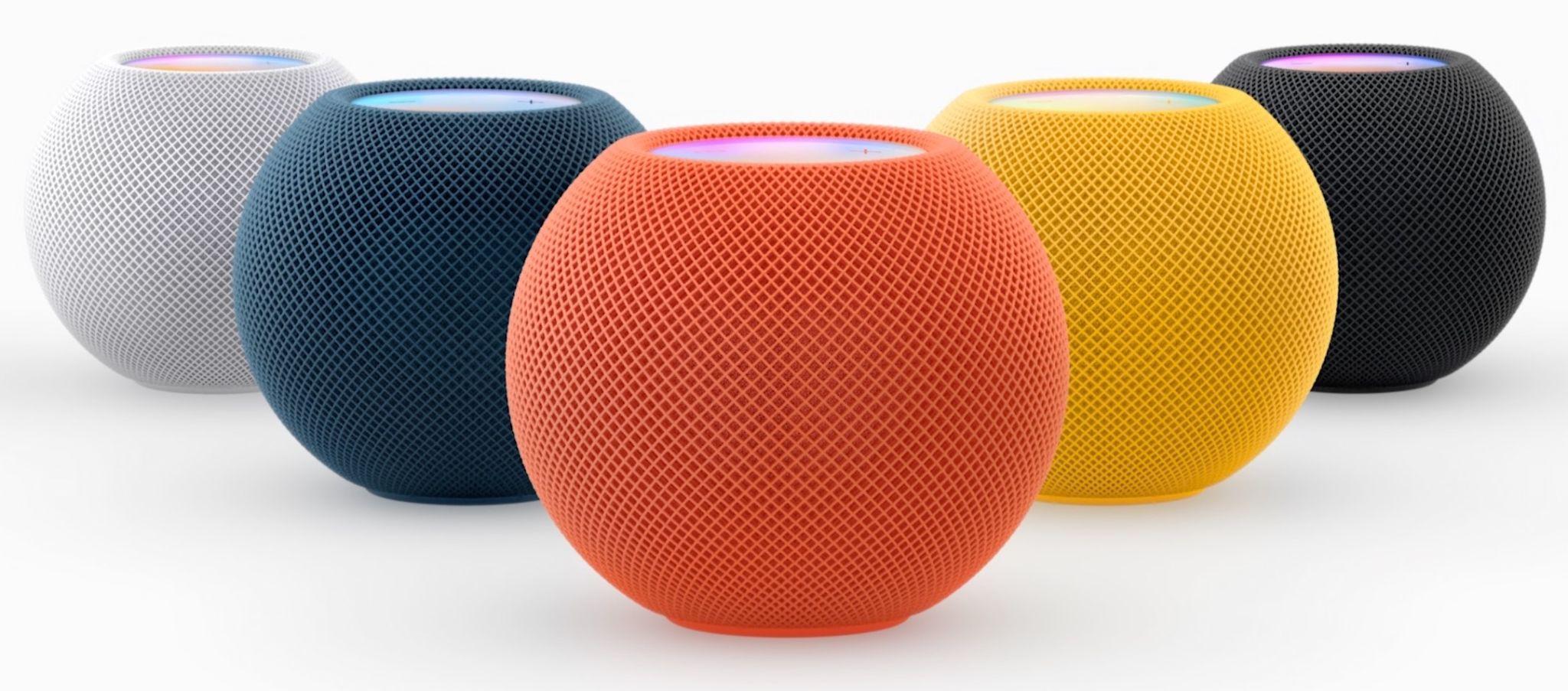
Although the original HomePod didn’t set the world on fire, the $99 HomePod mini has been significantly more popular. The grapefruit-sized HomePod mini may be small, but it produces great sound for its size and can do pretty much everything the larger HomePod could do. You can control it entirely via Siri, pair two for stereo sound, use it as a hub for your HomeKit home automation accessories, and even have it play the sound from your Apple TV. Put a HomePod mini in different rooms in the house, and you can use Intercom to communicate with family members with your voice. If you’re giving it as a gift, remember that it’s best when paired with an Apple Music subscription.
Apple TV 4K
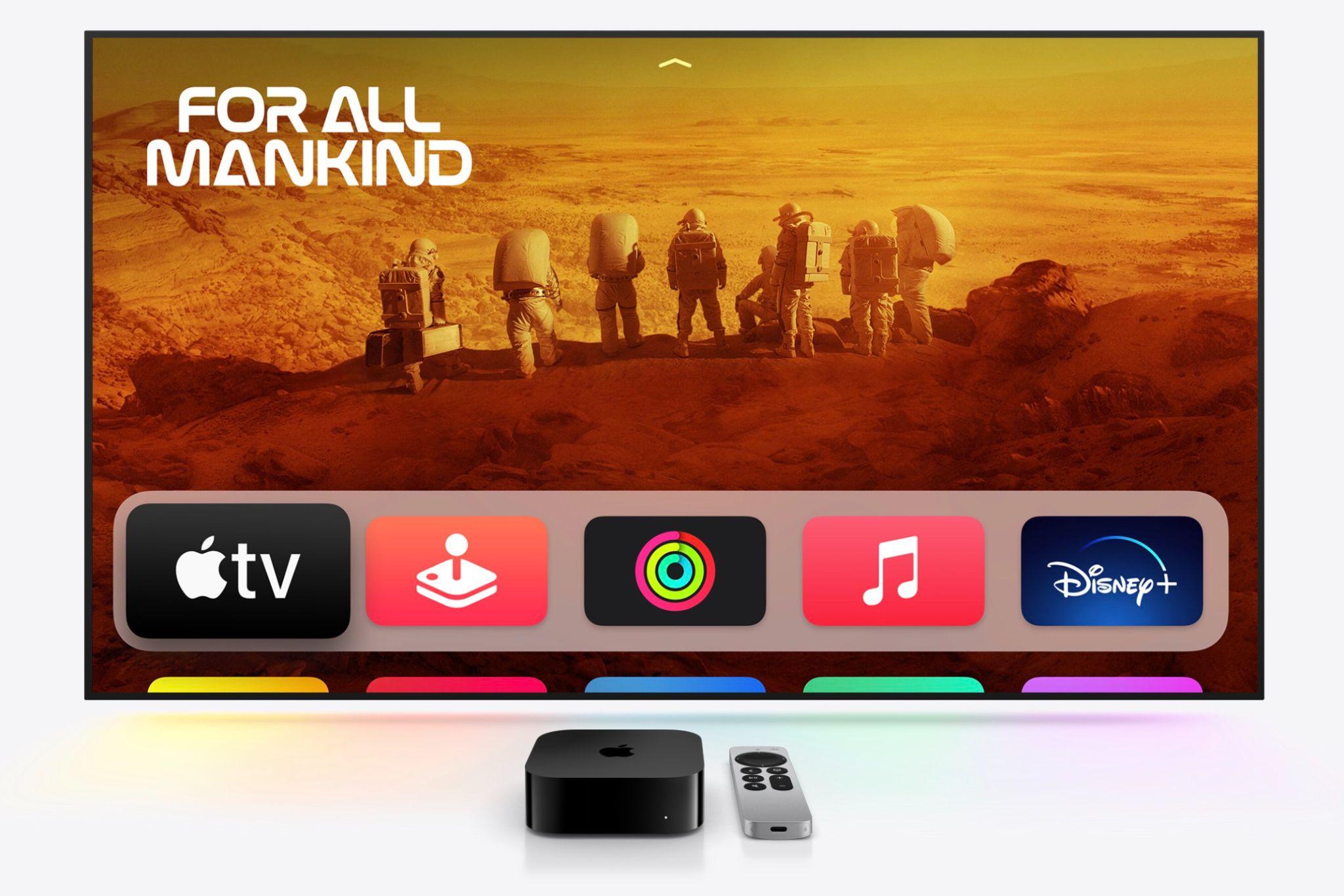
The Apple TV hasn’t changed much over recent years, but this year’s new models are enough better and cheaper to warrant inclusion in this article. If someone on your list would benefit from a streaming media player, consider the new third-generation Apple TV 4K, which has a lot going for it. It now boasts a fast A15 Bionic chip, and the Siri Remote charges via USB-C. For someone who mostly wants to watch TV, the $129 Apple TV 4K (Wi-Fi) model is all they’ll ever need, with 64 GB of storage. For $149, the Apple TV 4K (Wi-Fi + Ethernet) has 128 GB of storage for those who want to load a lot of apps and games, and it includes a Gigabit Ethernet port and support for the Thread home automation protocol.
iPad, iPad mini, and iPad Air
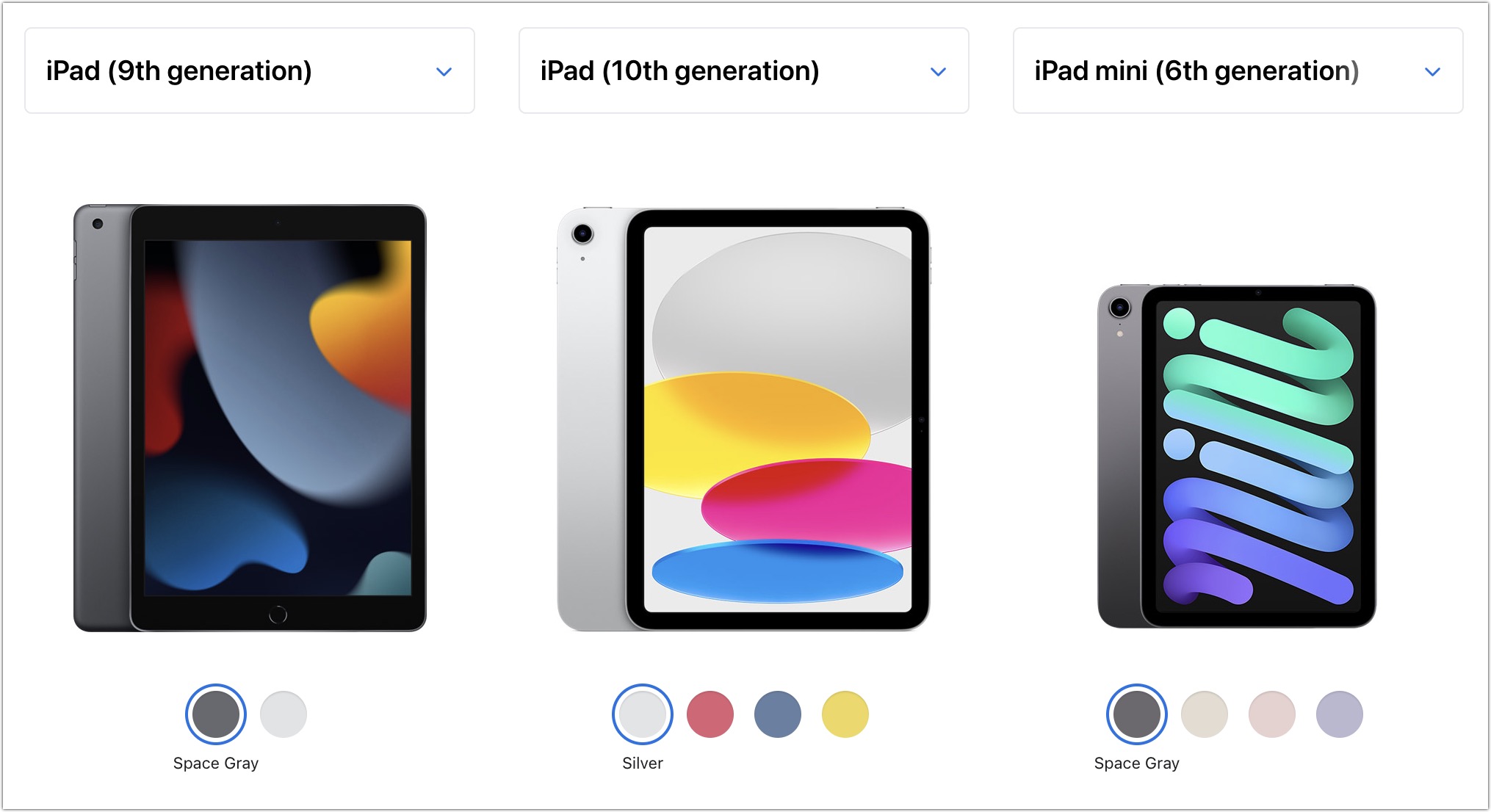
If you’re looking to give an iPad as a gift, Apple has numerous options, with starting prices ranging from $329 to $599.
-
Ninth-generation iPad: The budget choice for a kid or an adult with basic needs is last year’s ninth-generation iPad, which remains an astonishing bargain at $329. It works with the first-generation Apple Pencil ($99), and those who need to write can add the $159 Smart Keyboard.
-
Tenth-generation iPad: This year’s redesigned tenth-generation iPad starts at $449, moving Touch ID to the top button, increasing the display size to 10.9 inches, and positioning the front-facing camera on the landscape edge. It pairs with the new $249 Magic Keyboard Folio and the first-generation Apple Pencil.
-
iPad mini: If you’re looking for something small, the diminutive sixth-generation iPad mini fits the bill at just $499. It’s compatible with the second-generation Apple Pencil ($129), but if you need a keyboard, you’ll have to look to a third-party manufacturer or use a standard Bluetooth wireless keyboard.
-
iPad Air: For the most power short of the pricey iPad Pro models, consider the fourth-generation iPad Air. It starts at $599 and can handle even the most intensive tasks, especially when coupled with a second-generation Apple Pencil and either a Magic Keyboard ($299) or Smart Keyboard Folio ($179).
Apple Watch Gift Certificate
We love the Apple Watch, but be careful when considering it as a gift. There are three rather different models, and Apple provides a dizzying number of options for case size, material, and color, plus the band and color, making it difficult to know what would be most appreciated. Instead of guessing what your recipient would like, we encourage giving a certificate that’s good for a conversation about what to purchase. Then sit down with the recipient to run through all the decisions on the Apple Watch site.
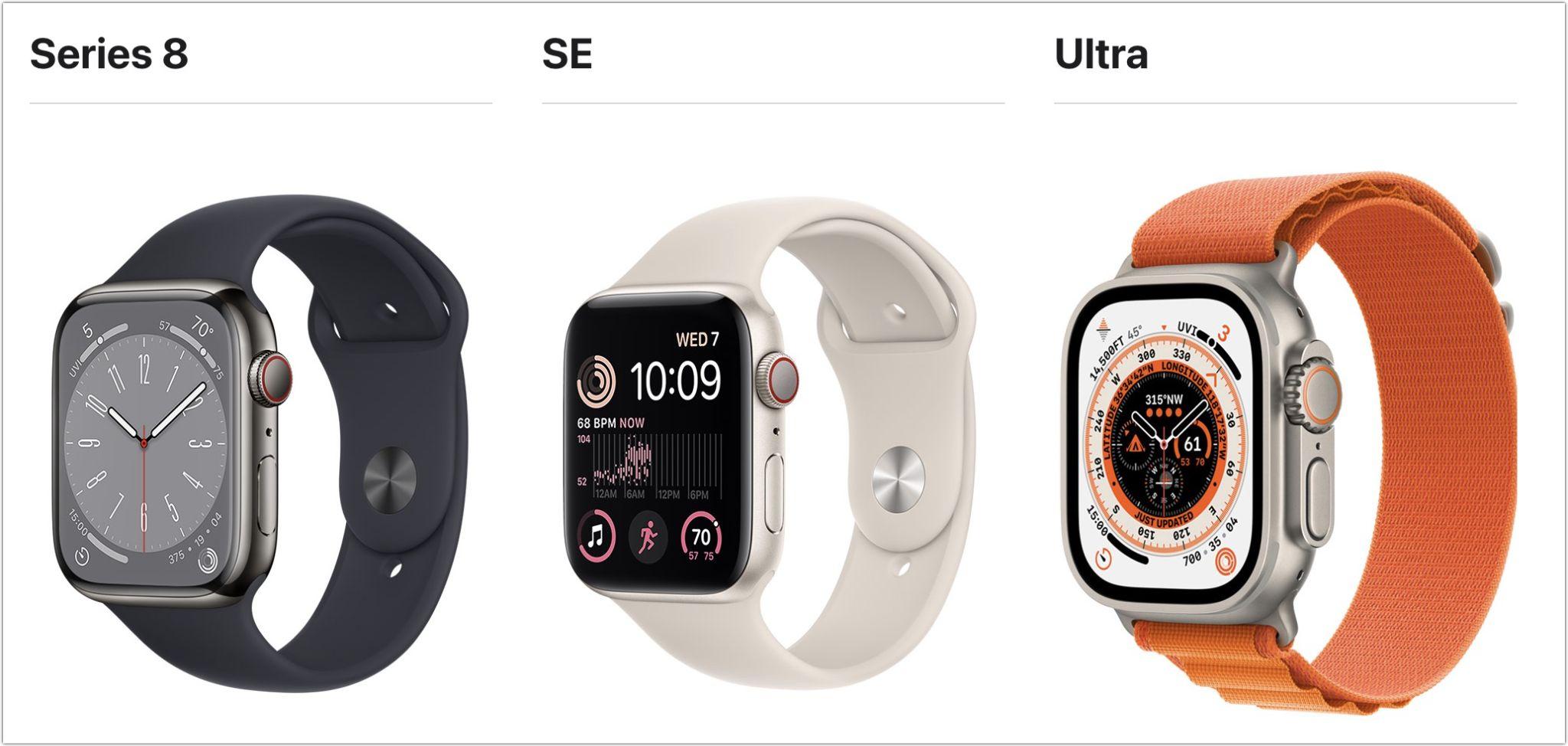
There are three options this year: the updated Apple Watch SE (starting at $249), the new Apple Watch Series 8 (starting at $399), and the big, beefy, adventure-focused Apple Watch Ultra (starting at $799).
Thanks to a larger screen, faster chip, and Apple’s new iPhone and Apple Watch crash detection feature, the Apple Watch SE is more compelling than ever and all that most people need. Consider the Series 8 if you also want a larger Always-On display, blood oxygen sensor, and ECG capabilities, along with a new temperature sensor for cycle tracking. The Apple Watch Ultra puts all those features and more into a 49mm titanium case that features a new Action button that gives you quick access to app-specific commands. Its buttons are larger and easier to press, the Always-On display is brighter, the GPS works better in challenging conditions, and it has a depth gauge and water temperature sensor so it can serve as a dive computer. The Apple Watch Ultra boasts up to 36 hours of battery life in normal usage and up to 60 hours in a forthcoming extended battery optimization mode. It’s an impressive watch, but make sure you like how it looks on your wrist, given how much larger it is than other models. Apple has a helpful comparison tool.
Even though they are worthy gifts, we didn’t include any Macs in this article because they’re quite a bit more expensive and difficult to select without extensive discussion of the recipient’s needs. Let us know if you need help choosing the right Mac for someone on your list, but we’re partial to the M1- and M2-based MacBook Air and 24-inch iMac for many users.
AI Usage Transparency Report
Pre-AI Era · Written before widespread use of generative AI tools
AI Signal Composition
Score: 0.04 · Low AI Influence
Summary
Holiday shopping recommendations from Apple, including AirTag, AirPods, HomePod mini, Apple TV 4K, iPad, and Apple Watch.
Related Posts
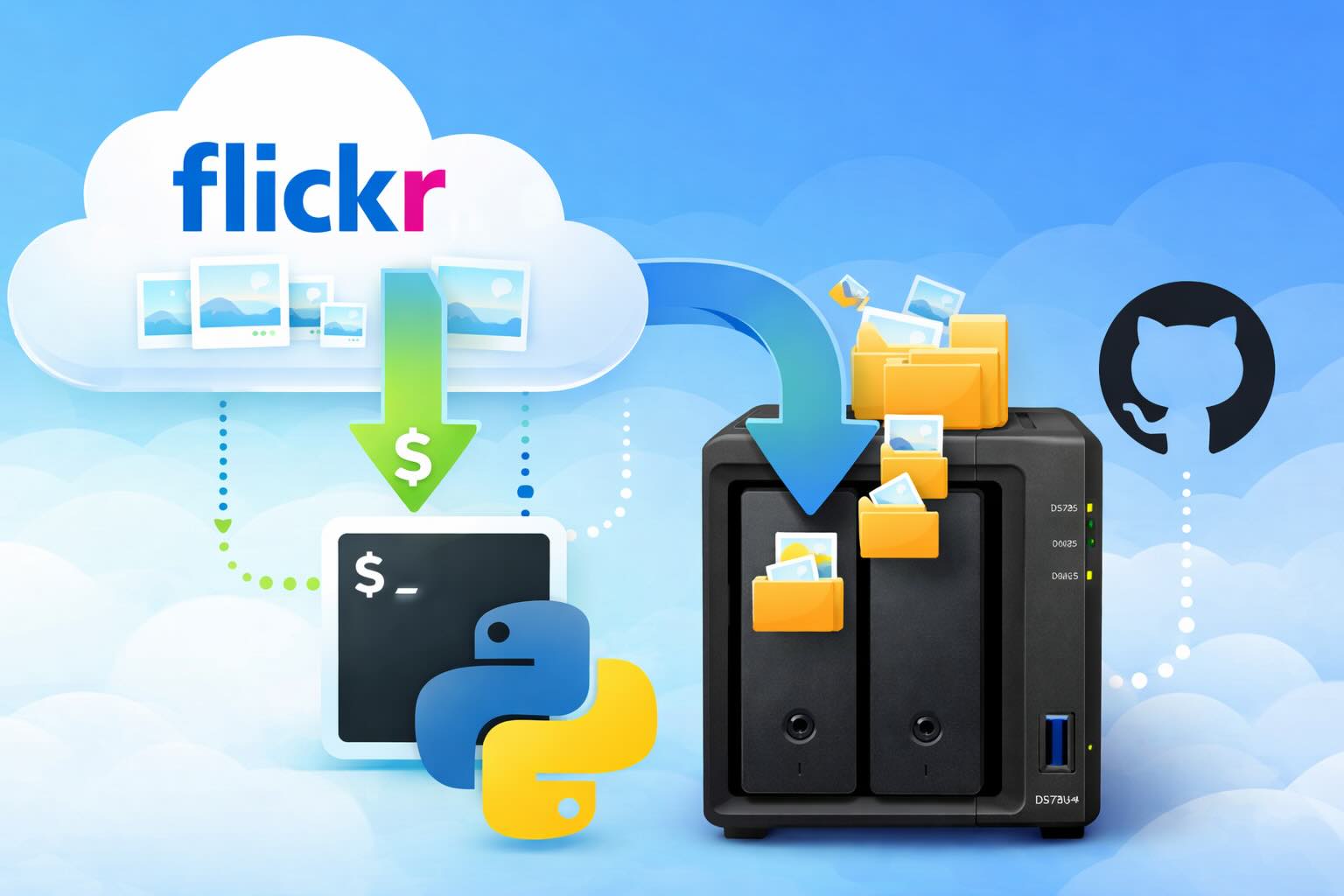
Leaving Flickr: Migrating 20,000+ Photos to Synology and Taking Back Control
There’s a certain kind of friction you start to notice when you’ve been using a service for a long time. Not enough to make you leave immediately, but enough to make you pause. Flickr had been that kind of service for me. It quietly held years of photos, uploads from old phones, albums I hadn’t looked at in ages, and a massive "Auto Upload" collection that had grown into something I didn’t fully understand anymore.

How I Finally Passed the PMP Exam (After 12 Years of Waiting)
Back in 2013, I registered for a PMI membership with every intention of pursuing my PMP certification. I downloaded the handbook, bookmarked the eligibility requirements, and even told a few friends that I was going to do it "soon." At the time, I thought getting certified would be a straightforward process, but little did I know what lay ahead in terms of studying and preparation.
10 Things You Didn't Know You Could Do With Apple Configurator (That Save Mac Admins Hours)
Most of us treat Apple Configurator like a fire extinguisher: break glass, DFU, restore, move on. But it can do a lot more, and when you know the edges, you can turn a bricked morning into a ship-it afternoon. Below are ten things I regularly use (or wish I’d used sooner) that demonstrate its capabilities beyond just emergency recovery.
The Evolution of Apple Certification: A Journey Through Versions, Challenges & Growth
When I recently passed the Apple Certified Support Professional (ACSP) exam again, I paused to reflect — not just on this milestone, but on the long path I’ve walked through Apple’s certification landscape. My first certification dates back to macOS 10.5, and over the years, I’ve earned credentials across nearly every version since. In that time, the exams — and Apple itself — have transformed significantly.
Secure Software, Secure Career: How I Passed the CSSLP
After passing the CISSP earlier this year, I decided to follow it up with the **Certified Secure Software Lifecycle Professional (CSSLP)** certification. For those unfamiliar, CSSLP is an ISC2 certification that focuses specifically on secure software development practices across the full SDLC—from requirements and design to coding, testing, deployment, and maintenance. My goal in pursuing this certification was to further develop my skills in ensuring the security of software throughout its entire lifecycle.
Managing Bring Your Own Device (BYOD) for Android with Microsoft Intune
Alright, so today we're going to be talking about the management of bring your own device BYOD for Android devices. There's a lot of information out there for the management of iOS devices and you can do that with pretty much any Apple MDM on the market. We just happen to use Jamf where I work, but you could use anything from Braavos to SimpleMDM to Kanji or JumpCloud. Mosyle is also a great option.
BYO with me in 2025: iOS with User Enrollment in JAMF Pro
It really depends on your company's needs. For example, many companies need to hire 1099 contractors and in such a case they come with their own devices but not the correct security settings or enforcements. Remember BYOD is a security construct. The idea here is that you should be securing the company's sensitive data in all forms. This may involve implementing policies for contractor-owned devices, ensuring that all devices accessing company data meet minimum security standards, and regularly reviewing and updating these standards to stay ahead of emerging threats.
Securing BYOD Email Access: Exploring Strategies in Microsoft 365
In today’s mobile-first world, organizations increasingly rely on Bring Your Own Device (BYOD) programs to empower employees while optimizing costs. However, this flexibility introduces unique challenges, particularly around securing email access. To mitigate risks, we are implementing a comprehensive strategy to block email access on non-company devices by default and ensure only sanctioned apps can access organizational email accounts. This approach will help prevent unauthorized access and data breaches, aligning with our commitment to maintaining the security and integrity of company communications.
How I Conquered the CISSP Exam: 9 Months, Top Resources, and Proven Strategies
Passing the CISSP (Certified Information Systems Security Professional) exam is no small feat. It’s known for its breadth, depth, and ability to test not just your knowledge but your practical understanding of cybersecurity. After nine months of intense preparation, I’m thrilled to say I’ve joined the ranks of CISSP-certified professionals! Here's a detailed account of my experience, including the resources I used, some tips that helped me along the way, and what I learned from the process itself.
Get more out of scripting than you may expect
Expect is an extension to the Tcl scripting language written by Don Libes. The program automates interactions with programs that expose a text terminal interface. Expect, originally written in 1990 for the Unix platform, has since become available for Microsoft Windows and other systems. Its functionality allows users to interact with these programs through scripted commands, eliminating the need for manual input.