
One of the most important shifts in entrepreneurship is learning that revenue is a result, not the foundation. A business obviously needs customers and it needs to make money, but when money becomes the primary focus of every decision, clients can usually feel it. The strongest businesses are not built by chasing transactions alone. They are built by creating an experience people trust and want to return to.
That is where the entrepreneurial mindset really begins to change. Thinking like a business owner is not just about pricing, margins, or growth targets. It is about understanding that customer experience drives the long-term health of the business. When the client feels like they are being pushed through a sales process instead of being genuinely served, retention gets harder, referrals get weaker, and trust erodes much faster than most founders expect.
In practice, that means doing good work consistently and building a culture around transparency, honesty, and reliability. Those traits are not just good values in theory. They are practical business assets. They shape how clients talk about you, how often they come back, and whether they are willing to recommend you to someone else. Over time, that matters far more than any short-term gain that comes from treating the customer relationship as purely transactional.
This is the part many new founders underestimate. Clients may pay for a service, but they usually stay because of the relationship and the experience surrounding that service. They remember whether the business was responsive, clear, trustworthy, and easy to work with. They remember whether the company made them feel like a priority or just another invoice.
That does not mean strategy is unimportant. It means strategy works best when it supports the customer rather than replacing the customer as the focus. A business owner still needs to think about operations, positioning, and growth. But those things become much easier to manage when the company is already earning loyalty through consistent service and strong relationships.
The entrepreneurial mindset is ultimately about understanding what creates durable value. Money, growth, and opportunity are all important, but they tend to follow businesses that solve real problems well and treat people the right way. When you keep the customer at the center of the work, business strategy becomes clearer, growth becomes more sustainable, and the company becomes far stronger over time.
AI Usage Transparency Report
AI Era · Written during widespread use of AI tools
AI Signal Composition
Score: 0.09 · Low AI Influence
Summary
The entrepreneurial mindset is about understanding what creates durable value, prioritizing customer experience and relationships over short-term gains.
Related Posts

When Chromium Mistakes Your VPN for a Local Network
Turning off Jamf Trust fixed the webinar, which normally would have sent me straight to its routing policies. This time the route was fine: Chromium was treating Jamf's ZTNA broker addresses as a local network, and an Edge and Chrome preference corrected it.

Clamshell iBook G3 Restoration, Part 1: From Broken Screen to Board-Level Repair
Part one of a Clamshell iBook G3 restoration: a broken screen, a charger detour, a blinking system folder, a full teardown, and the backlight connector mistake that paused the project.
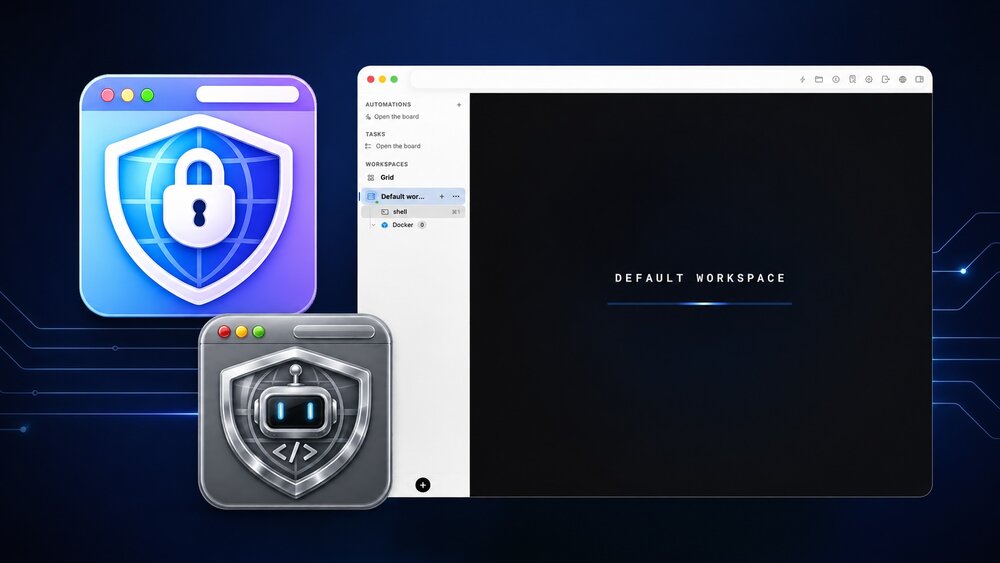
Bromure Gives Codex a Room of Its Own
I installed Bromure Agentic Coding, watched it build the Linux VM, authenticated Codex, and followed a real Codex task through the workspace.

Claude Code Auto Mode Changes Approval Flow, Not the Safety Boundary
Claude Code Auto mode changes how approval decisions are handled. It does not expand the boundary of what the coding agent should be allowed to do.

Amnesia Stealer Shows the Next Stage of ClickFix on macOS
Amnesia Stealer shows how ClickFix-style social engineering is adapting on macOS, while a public malware sample gives defenders an opportunity to study the behavior behind the campaign.

Reporting on Microsoft 365 DLP Overrides with PowerShell
DLP overrides are not automatically bad. They are a business process that needs visibility. This walkthrough covers a Microsoft Purview DLP policy, a custom sensitive information type, user override behavior, and a PowerShell report that exports override events from Activity Explorer.
PowerBook 140 BlueSCSI Install: Cable Fixed, Battery-Bay Power, and Wi-Fi Setup
The PowerBook 140 project moved from preparing a BlueSCSI card in Basilisk II to installing the repaired internal SCSI cable, powering the BlueSCSI Pico externally from the battery bay, booting System 7.1, and fighting through DaynaPORT Wi-Fi setup.

Move Entra Users Off SMS and Voice Before Microsoft Retires Them
Microsoft is retiring Microsoft-provided SMS and voice authentication in Entra ID. The migration is not passkeys for everyone; it is removing weak telecom MFA and choosing supported replacement methods such as Microsoft Authenticator, FIDO2 keys, certificate-based authentication, OATH hardware tokens, or customer-managed telecom.
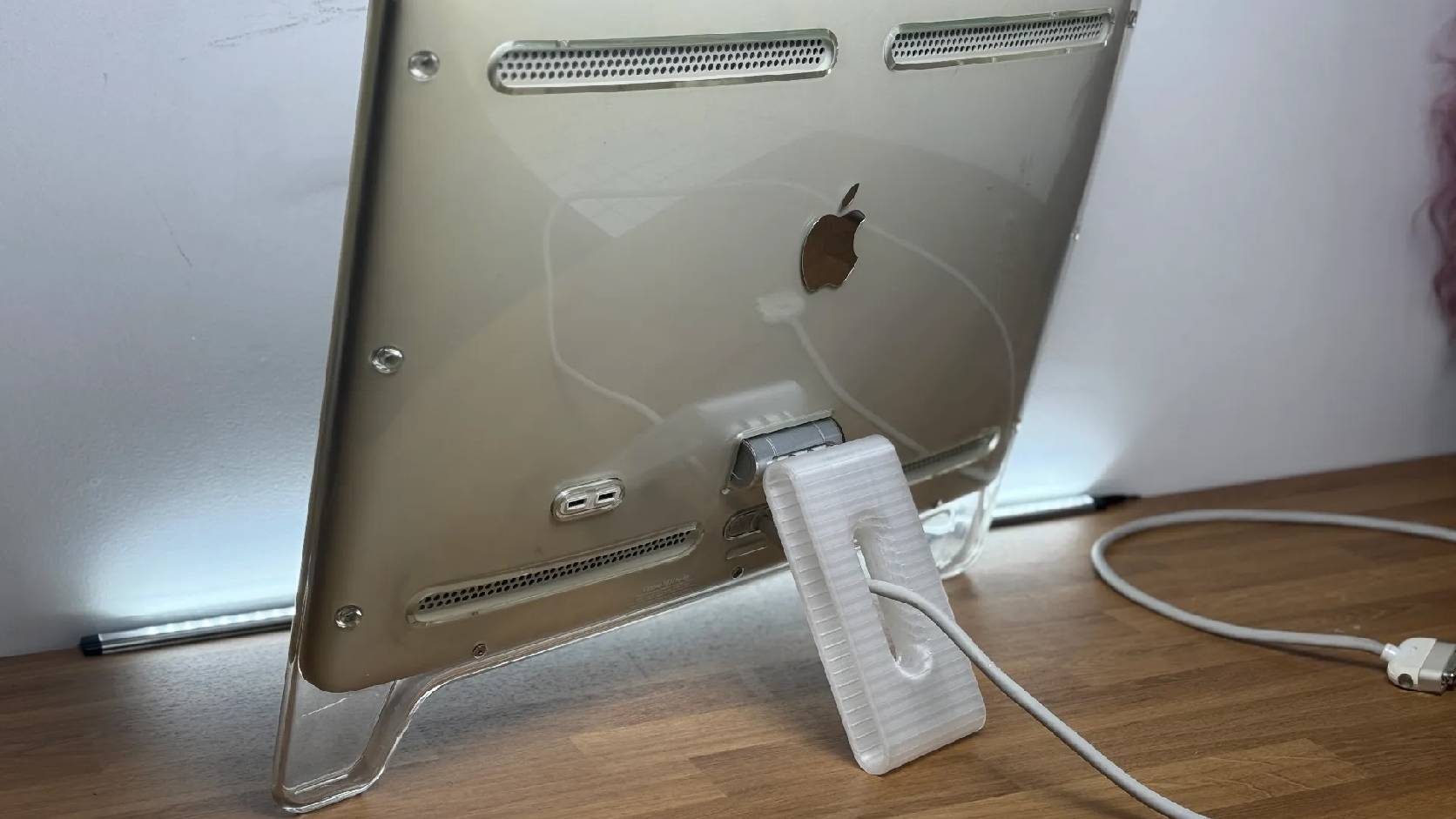
Fixing a Broken Apple Cinema Display Stand with a 3D Printed Leg
A 22-inch Apple Cinema Display arrived with a broken acrylic easel stand, so I used a 3D printed replacement leg instead of sending the monitor back.

macOS Tahoe 26.6.1 Fixes a High-Severity Screen Sharing Authentication Bypass
macOS Tahoe 26.6.1 fixes CVE-2026-65400, a high-severity Screen Sharing authentication issue where an attacker on the network may be able to authenticate without valid credentials.