

When you run a consultancy, you think the job is about your expertise—the thing you’ve been hired to do. But very quickly, you realize the role demands a whole set of skills you never set out to master. They sneak in over time, and before you know it, you’ve become fluent in things you once thought you’d avoid. The funny part is, you don’t even notice you’re learning them until you look back and recognize how much your approach has shifted. These are the skills that never appear on your business card, yet they’re the ones that make the whole thing work. And here’s the tricky part: some of them serve you well no matter where you go, while others only really shine in the unique dynamic of consulting.
Take sales. Most consultants, myself included, would say, “I’m not a sales person.” It doesn’t feel like selling, and yet somehow the client roster grows, the referrals come in, and the proposals keep getting accepted. That’s because real sales in consulting isn’t about closing deals or polishing a pitch deck—it’s about listening. Truly listening. It’s about hearing what a client is trying to say even when the words don’t match the need, and offering them something that makes sense for their reality. HubSpot calls this consultative selling, but I think that label undersells what’s actually happening. You’re not selling in the conventional sense—you’re building trust. That skill translates beautifully into any environment. Even in a corporate role, the ability to listen, reframe, and align with stakeholders makes you invaluable. The nuance, though, is that in consulting you always get to close the loop—you either win the client or you don’t. In an employee role, you may find yourself listening just as carefully, but with less control over outcomes. The skill still matters, but the payoff looks different.
Expectation management is another hidden craft you pick up along the way. Early in my consulting career, I prided myself on delivering exactly what was asked, only to realize that’s rarely what was meant. A client might say, “make this faster,” but what they’re really struggling with is a workflow bottleneck or a misaligned process. You learn to translate vague requests into concrete outcomes and set expectations so there aren’t surprises at the end. This shift—from taking requests literally to shaping them thoughtfully—changes the dynamic. Harvard Business Review highlights the importance of clarity in managing complex projects, and consulting forces you into that discipline whether you want it or not. In corporate roles, expectation management is just as crucial, but the nuance lies in power dynamics. As a consultant, you get to renegotiate scope and reset deliverables with some leverage—you’re a hired expert. As an employee, saying “that’s not feasible with current resources” can be riskier, and it requires political navigation. The skill still applies, but it’s often softened by organizational culture.
And then there’s conflict and boundaries. Nobody warns you that running a consultancy is just as much about managing people as it is about managing projects. Clients will push, scope will creep, and sooner or later you find yourself in a conversation where you have to say no. And not a casual no, but a no that preserves the relationship, protects your time, and keeps the project viable. That’s not easy. In fact, it’s one of the hardest things to do well. I learned quickly that being “the fixer”—the one who stretches endlessly to make it all work—eventually burns you out and erodes trust. Setting boundaries became second nature. But here’s the nuance again: saying no to a client is often easier than saying no to a boss. With clients, the relationship is contractual—you can fall back on scope, agreements, or budgets. With a boss, especially in a large organization, boundaries are blurred by hierarchy and career considerations. That means one of the most valuable consulting skills doesn’t always transfer cleanly. You might find yourself more confident about boundaries than your peers, but also more frustrated when you can’t enforce them in the same way.
This tension—skills that both empower and frustrate—is what makes the consulting experience so unique. Running your own shop changes you. It makes you part sales, part translator, part diplomat. It forces you to become more adaptable, more aware, and more intentional about how you interact with people. And when you return to an employee role, those same skills don’t disappear. They just adapt. Some, like active listening and expectation management, are universal assets. Others, like the ability to draw hard boundaries, have to be tempered or reinterpreted in the context of organizational life. Neither is better or worse—it’s just different.
That’s the hidden curriculum of consulting. You sign up to do the technical work, but what you really walk away with is a set of invisible competencies that shape how you operate in any role. They’re what allow you to scale without burning out, to move from one-off gigs into long-term partnerships, and to see problems from a perspective most employees never get. They may not always transfer neatly back into corporate life, but they leave you changed nonetheless. And maybe that’s the point. Consulting doesn’t just sharpen your craft—it reshapes how you see work altogether.
Ready to take your Apple IT skills and consulting career to the next level?
I’m opening up free mentorship slots to help you navigate certifications, real-world challenges, and starting your own independent consulting business.
Let’s connect and grow together — Sign up here
AI Usage Transparency Report
AI Era · Written during widespread use of AI tools
AI Signal Composition
Score: 0.04 · Low AI Influence
Summary
When you run a consultancy, you think the job is about your expertise—the thing you’ve been hired to do. But very quickly, you realize the role demands a whole set of skills you never set out to master. They sneak in over time, and before you know it, you’ve become fluent in things you once thought you’d avoid. The funny part is, you don’t even notice you’re learning them until you look back and recognize how much your approach has shifted. These are the skills that never appear on your business card, yet they’re the ones that make the whole thing work. And here’s the tricky part: some of them serve you well no matter where you go, while others only really shine in the unique dynamic of consulting.
Related Posts

When Chromium Mistakes Your VPN for a Local Network
Turning off Jamf Trust fixed the webinar, which normally would have sent me straight to its routing policies. This time the route was fine: Chromium was treating Jamf's ZTNA broker addresses as a local network, and an Edge and Chrome preference corrected it.

Clamshell iBook G3 Restoration, Part 1: From Broken Screen to Board-Level Repair
Part one of a Clamshell iBook G3 restoration: a broken screen, a charger detour, a blinking system folder, a full teardown, and the backlight connector mistake that paused the project.

Bromure Gives Codex a Room of Its Own
I installed Bromure Agentic Coding, watched it build the Linux VM, authenticated Codex, and followed a real Codex task through the workspace.
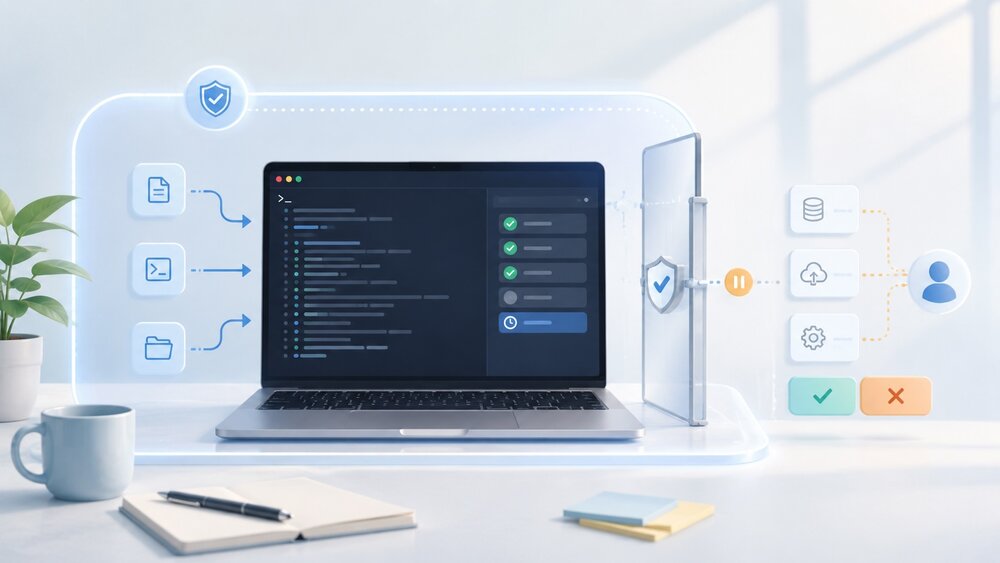
Claude Code Auto Mode Changes Approval Flow, Not the Safety Boundary
Claude Code Auto mode changes how approval decisions are handled. It does not expand the boundary of what the coding agent should be allowed to do.

Amnesia Stealer Shows the Next Stage of ClickFix on macOS
Amnesia Stealer shows how ClickFix-style social engineering is adapting on macOS, while a public malware sample gives defenders an opportunity to study the behavior behind the campaign.
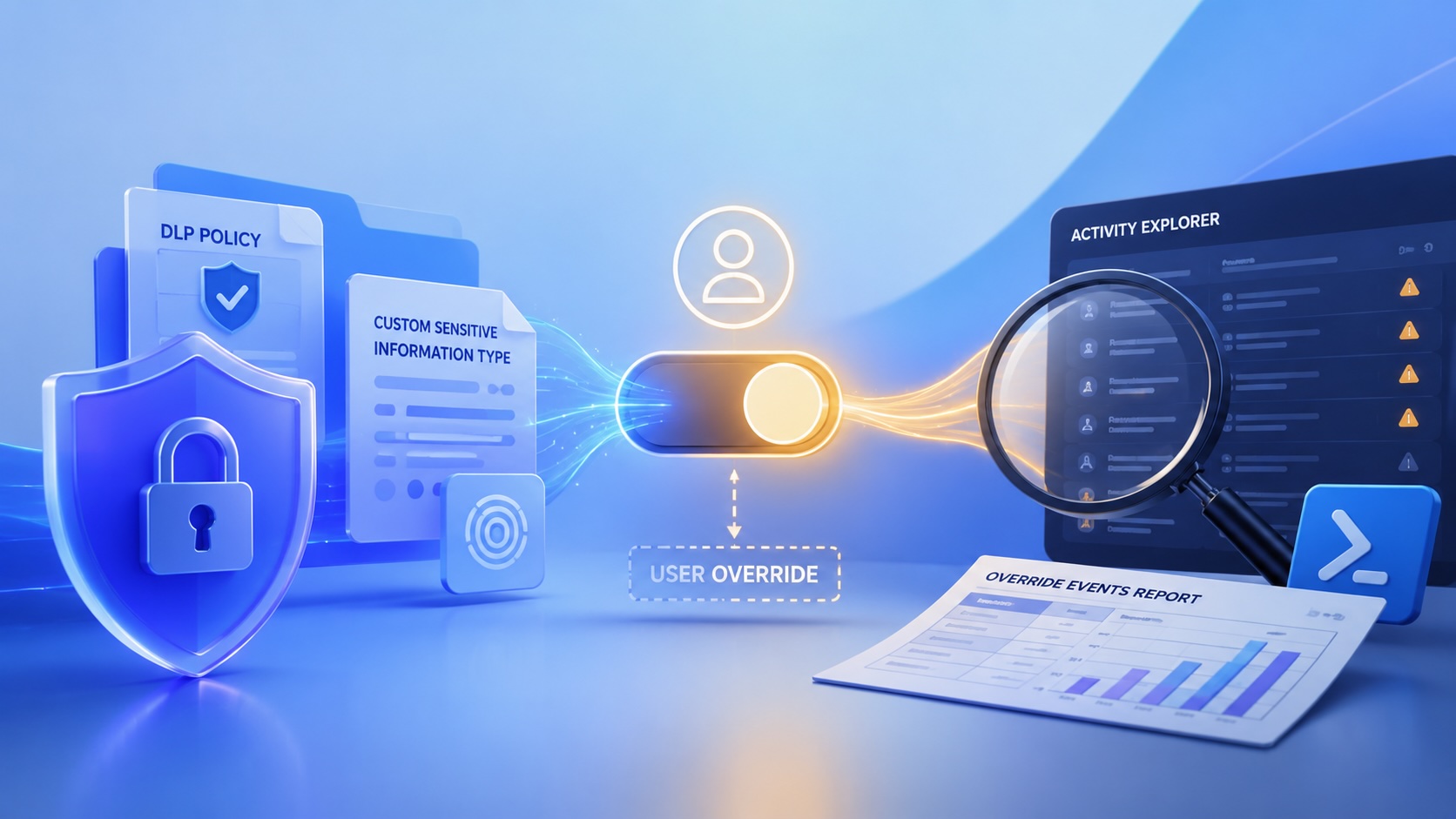
Reporting on Microsoft 365 DLP Overrides with PowerShell
DLP overrides are not automatically bad. They are a business process that needs visibility. This walkthrough covers a Microsoft Purview DLP policy, a custom sensitive information type, user override behavior, and a PowerShell report that exports override events from Activity Explorer.
PowerBook 140 BlueSCSI Install: Cable Fixed, Battery-Bay Power, and Wi-Fi Setup
The PowerBook 140 project moved from preparing a BlueSCSI card in Basilisk II to installing the repaired internal SCSI cable, powering the BlueSCSI Pico externally from the battery bay, booting System 7.1, and fighting through DaynaPORT Wi-Fi setup.

Move Entra Users Off SMS and Voice Before Microsoft Retires Them
Microsoft is retiring Microsoft-provided SMS and voice authentication in Entra ID. The migration is not passkeys for everyone; it is removing weak telecom MFA and choosing supported replacement methods such as Microsoft Authenticator, FIDO2 keys, certificate-based authentication, OATH hardware tokens, or customer-managed telecom.

Fixing a Broken Apple Cinema Display Stand with a 3D Printed Leg
A 22-inch Apple Cinema Display arrived with a broken acrylic easel stand, so I used a 3D printed replacement leg instead of sending the monitor back.

macOS Tahoe 26.6.1 Fixes a High-Severity Screen Sharing Authentication Bypass
macOS Tahoe 26.6.1 fixes CVE-2026-65400, a high-severity Screen Sharing authentication issue where an attacker on the network may be able to authenticate without valid credentials.