
Welcome to my blog
Join me on my journey as I share my insights and experiences on all things Apple, Business and Entrepreneurship!
Join me on my journey as I share my insights and experiences on all things Apple, Business and Entrepreneurship!

When you run a consultancy, you think the job is about your expertise—the thing you’ve been hired to do. But very quickly, you realize the role demands a whole set of skills you never set out to master. They sneak in over time, and before you know it, you’ve become fluent in things you once thought you’d avoid. The funny part is, you don’t even notice you’re learning them until you look back and recognize how much your approach has shifted. These are the skills that never appear on your...

I have a lot of friends in the job market right now, and we’ve been having some interesting conversations about a title that comes up again and again: “Senior.” It’s one of those words that carries weight when you first hear it—implying a certain level of mastery, trust, and authority—but the more you look at how it's used in practice, the more slippery it becomes. We've been debating what exactly "senior" means in different contexts, from years of experience to specific skills or responsibilities.
I’ve written about how I’d build an MSP from scratch in 2024. I followed that up with what I’d do differently in 2025 after a few more battle scars. Now, as I reflect on the way this space keeps evolving, I think it’s time to talk about scale—and more specifically, how not to lose your mind while scaling. It's an area where many MSPs struggle, and I'm no exception.
As more professionals leave the security of full-time employment to pursue consulting, the idea of starting your own business becomes both inspiring and daunting. While the freedom to shape your career and work on your own terms is alluring, it’s critical to understand that building a successful consulting business involves significant planning, preparation, and risk. This transition requires careful consideration of financial stability, market demand, and personal goals, as well as a willingness to adapt to changing circumstances and unexpected setbacks.
In 2014, I embarked on a journey that would shape the next eight years of my life. With a vision in mind and a determination to succeed, I founded Grove Technologies, a Managed Service Provider (MSP) based in Maryland, focused on delivering exceptional IT solutions to businesses of all sizes. The company grew steadily, overcoming challenges and celebrating milestones, until 2022, when I decided it was time to pass the baton and sold the business. It was an incredible experience, filled with invaluable lessons, but as I reflect on those...
From 2014 until 2022 I built and ran a series of successful IT consultancies, from a one person solopreneurship (Jon Brown Consulting), to a startup (Mac Gurus) that grew rapidly but faced significant challenges, to its more mature and accomplished predecessor (Grove Technologies) where I eventually sold the business and exited the industry.

In the fast-paced realm of consultancy, where competition is fierce and innovation is key, finding the delicate balance between competition, collaboration, and cooperation is essential. Today, we embark on a journey to explore the transformative potential of collaboration in the consultancy world.
In the dynamic landscape of leadership, the role of a mentor holds paramount importance. The ability to guide, inspire, and empower team members is fundamental to fostering a thriving work environment. However, what happens when a manager is tasked with both managerial responsibilities and the role of a mentor? This delicate balancing act is riddled with challenges and complexities. In this blog post, we'll explore the perils and pitfalls of being both a manager and a mentor and discuss effective strategies to navigate this intricate terrain.

Partnerships can change the trajectory of a business, but only when they are built around real value rather than vague optimism. In practice, the best collaborations do not happen because two companies simply like the idea of working together. They happen because each side brings something the other lacks, and because that relationship creates a better outcome for clients, operations, or long-term growth. This requires a clear understanding of what each partner can offer, as well as a willingness to adapt and compromise in order to achieve mutually beneficial results....

Today, I want to open up about a challenge that has been a constant companion on my entrepreneurial journey—the struggle to separate my personal feelings, passion, and drive from my day-to-day business operations. Early in my career, wearing my heart on my sleeve was an asset. It helped me connect with clients, foster deep relationships, and gain trust.
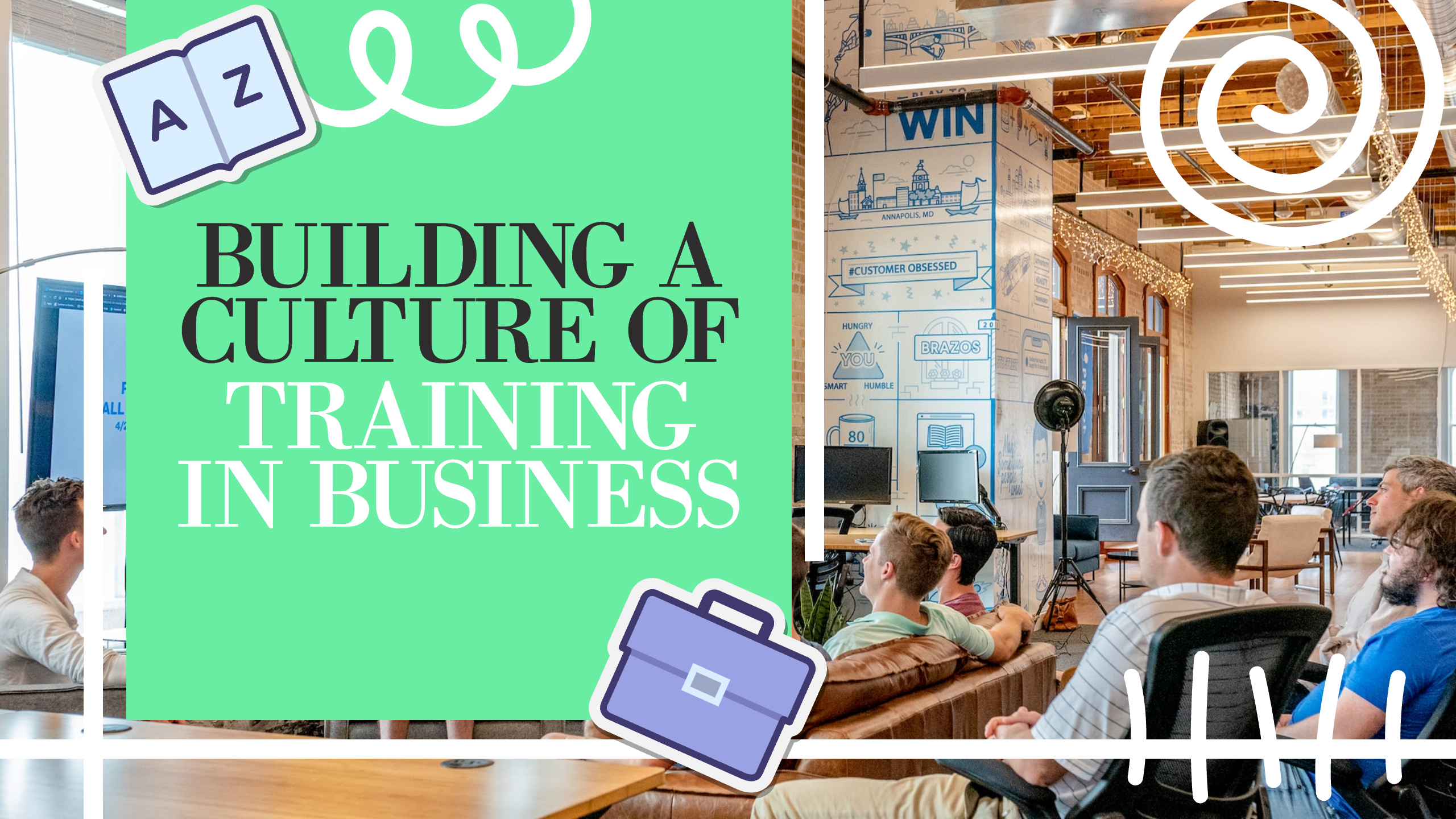
Training your staff is one of the most important investments a growing business can make. Hiring people creates capacity only if those people are equipped to work effectively inside your systems, understand your standards, and make sound decisions without constant intervention. Without training, growth usually creates more supervision, more inconsistency, and more pressure on the business owner. In fact, untrained staff can hinder progress, lead to mistakes, and even damage relationships with customers or clients, ultimately undermining the very goals you're trying to achieve through expansion.

Empathy is often treated like a soft skill that matters only after the real business work is done. In practice, it is one of the most important leadership tools a company has. When teams are under pressure, deadlines are slipping, and expectations are high, the instinct is often to push harder and assume that missed outcomes reflect a lack of effort. More often, the real issue is that people are carrying more than their workload makes visible.
In the fast-paced world of entrepreneurship, where every decision can determine the fate of a venture, there's a fundamental truth that stands tall amidst the chaos: community isn't just an aspect of business; it's the very essence of it. As I traverse my entrepreneurial journey, I've learned that community isn't merely a support system; it's the heartbeat of a thriving business, shaping its identity and trajectory in profound ways.

Delegation is one of the clearest signs that a business is maturing beyond the founder’s personal capacity. Many owners think of delegation as simply handing off tasks, but in practice it is a leadership decision that shapes how the business scales, how the team develops, and how much strategic room the owner has to think beyond daily execution. Effective delegation requires clear communication, defined roles, and a willingness to let go of control, allowing the business to grow more efficiently and sustainably over time.

One of the hardest lessons in entrepreneurship is learning that control is not the same thing as leadership. Early in a business, doing everything yourself can feel necessary. You are close to the work, you care about the outcome, and it's easy to believe that the best results only happen when you manage every detail personally. As time passes, this mindset becomes a limit rather than a strength, hindering growth and progress.

In the world of entrepreneurship, every milestone achieved is not just a triumph but a testament to the journey of growth, resilience, and evolution. Today, I want to take you on a deeply personal and transformative chapter of my entrepreneurial expedition—a journey that took me from being a solopreneur to a team leader.
Innovation is often described as a creative spark, but in business it is usually the result of making deliberate decisions that break from habit. Entrepreneurs who build something meaningful rarely do it by copying the safest available template. They do it by seeing a gap, taking a calculated risk, and building in a way that reflects a clearer point of view than the market has seen before. This approach requires a willingness to challenge conventional wisdom and adapt to changing circumstances, rather than simply following established patterns or seeking shortcuts....

In the vast tapestry of life, we often find ourselves ensconced in the comforting embrace of the familiar. It’s easy to get accustomed to the routine, to revel in the known. But what if I told you that real growth, the kind that transforms us into the best versions of ourselves, lies just beyond the borders of our comfort zones?
Budding a business is hard. It takes lots of determination, it will enlist you into long hours and long nights and weekends with the family missed. Its a huge commitment and an in turn a huge part of your life, which is why if your going to go down this path that you do it under the realization that you are enjoying the process, and take time to have fun long the way.

Let's talk a moment about the link between brand and business growth. The brand of your business is the face of your company, how it projects itself, and how it's perceived in the marketplace. A strong brand identity can establish trust with customers, differentiate you from competitors, and ultimately drive revenue growth.
One of the things that really was a cornerstone of my success as a business owner and operator was the understanding that client retention is not only closely tied to client satisfaction and relationship building, but it's also very much partnership driven. Early on I was able to partner with clients that I really admired, and in doing so, pushed me to become a company that others would also admire. This approach allowed me to build trust and credibility with my clients, which ultimately led to long-term relationships and repeat...
Setting big goals is one of the clearest ways to force a business out of maintenance mode and into real growth. Without ambitious targets, it becomes easy to focus only on what is familiar, manageable, and immediately in front of you. That may keep the business stable for a while, but it rarely creates the kind of progress that changes what the company is capable of. In fact, setting small goals can even lead to stagnation, as employees become too comfortable with the status quo and lose motivation to innovate...
Mark Cuban, the renowned entrepreneur and investor, affirms, "One of the keys to my success undoubtedly was and is my attention to detail." Attention to detail is one hundred percent a learned skill. In my experience, those who work with and in the technology industry ultimately learn early on the importance of embracing technology as part of their overall day-to-day operations. This includes staying up-to-date with the latest tools and software, and being willing to adapt to new technologies as they emerge.
As a new business owner and operator I had to be creative with looking for ways to add value to my client services offering. One of the things that has been so successful for me has been my ability to build long lasting relationships with clients over time. The ability to earn trust and establish relationships is a set of soft skills that enhance the overall success of the business. Its for sure a strategic tool but if left unchecked can become your businesses biggest liability. A business, client relationship...
Startup planning matters, but one of the biggest mistakes founders make is treating the original plan as if it should remain fixed. A business plan is most useful when it helps you make better decisions in the present, not when it becomes a document you are afraid to revisit. The reality is that markets change, customers change, and your own understanding of the business changes as you gain experience. In fact, revisiting and updating your plan regularly can help you stay adaptable and responsive to these shifts, rather than getting...

Good business sense, and amazing customer service are the foundation of good business, however to scale you need sales and to get sales you need to get your name out there. Advertising and marketing will only get you so far and yes brand and company story are valuable tools to garner interest but the fastest way to grow your business is through word of mouth referrals. This means focusing on building relationships with customers, providing value beyond their initial purchase, and encouraging them to share their positive experiences with others....

It shouldn’t be a huge shock, but almost all companies started are a byproduct of a side hustle. A side hustle is working after your primary job on something you're interested in for additional money or fun. This can take many forms, such as freelancing, selling products online, or offering services to friends and family.

I still remember it vividly, one day my phone rings and it's one of my clients letting me know they had a friend who worked at a company that they felt could really use my services. Great, I got the information and went in to see the potential new client. The meeting was brief, but it gave me an opportunity to learn more about their needs and how I might be able to help them.

One of the hardest transitions for a business owner is moving from constant delivery work toward the kind of leadership that allows the business to scale. It is difficult to focus on the business when you are still carrying too much of the day-to-day burden yourself. Even when growth creates more resources, that does not automatically mean the work can be shared effectively right away. In fact, it's common for owners to struggle with delegating tasks and trusting others to handle responsibilities, leading to a prolonged period of burnout and...
Effective team communication becomes far more important as a business moves from a small, familiar operating rhythm into a larger and more dynamic environment. When you are used to running a business as an owner-operator, much of the context lives in your head. Decisions move quickly because you already know the clients, the priorities, and the reasons behind each choice. In a larger organization, that same instinct does not scale without stronger communication.

When clients hear that a company has merged, their first assumption is often that the change is being driven by money rather than service. That reaction is understandable. If the business already seemed stable, a merger can look like a move that benefits ownership far more than it benefits the customer. That is why one of the most important parts of any merger is proving, through action, that the client experience will improve rather than decline.
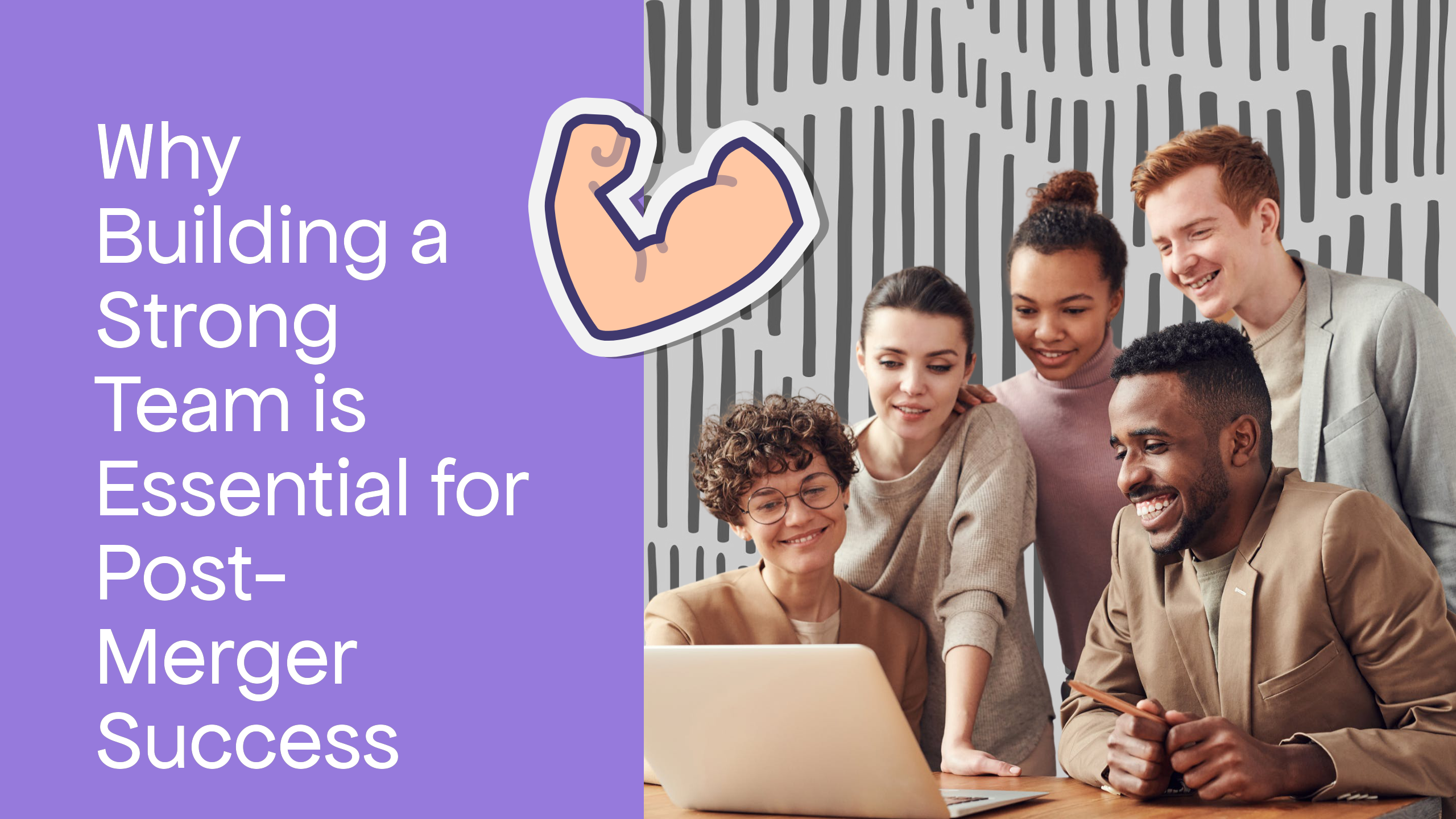
Building a strong team after a merger is rarely as simple as adding headcount. From the outside, it can seem like joining a larger organization should immediately create more capacity, more support, and a clearer path to growth. In practice, that is not always how it works. A merger may provide a stronger platform, but it does not automatically come with an instant staffing plan or a perfect roadmap for how responsibilities will be divided.
Transitioning from business owner to employee is one of the hardest identity shifts an entrepreneur can make. Running your own company means you are used to setting priorities, making final decisions, and carrying direct responsibility for the outcome. After an acquisition, that changes quickly. You may still have leadership responsibilities, but you are now operating inside a larger structure where authority is shared and not every decision is yours to make.

Acquisition changes more than ownership. It changes how you work, how you lead, and how much control you have over the decisions that shape the business every day. That shift can be harder than many owners expect, especially when you have spent years operating with full authority and direct accountability for every client relationship. As a result, it's not uncommon for acquired businesses to experience an adjustment period during which they adapt to new systems, processes, and expectations.
Getting a first client is often described as a sales milestone, but in my experience it had far more to do with relationships than marketing. Long before I was building my own business, I was working as an IT director at a graphic design and digital marketing firm. The company sublet part of its office space to smaller startups, and part of my role was supporting those teams as well. I helped keep their internet working, made sure conference rooms were functional, and handled the day-to-day technology issues that made...

Starting a business is often less about knowing exactly what to do and more about deciding that uncertainty is not a good enough reason to stay still. One of the biggest mistakes new founders make is assuming they need to understand every part of business before they begin. In reality, that kind of overplanning can become its own form of fear. This mindset can lead to paralysis by analysis, where the desire for perfection holds you back from taking action at all.

One of the most practical ways to improve client support is to meet people where they already communicate. For many clients, that means text messaging. When used correctly, SMS can become a fast, effective support channel that reduces friction, improves response times for simple issues, and creates a cleaner record of day-to-day interactions. This approach also allows support teams to respond quickly to urgent matters, while keeping the conversation history organized and easily accessible for future reference.

Apple Business Chat is one of the most practical examples of how modern tech support can become faster, cleaner, and easier for both clients and technicians. For support teams that already rely on SMS-style communication, it is not just another channel. It is a more structured way to bring real-time support into the Apple ecosystem while keeping the business side of the interaction organized. This approach allows support teams to maintain control over the conversation flow, ensuring that issues are resolved efficiently and effectively without unnecessary back-and-forth.

Starting a business is often framed as a leap of faith, but one of the most important parts of building something real happens before the leap itself. The validation phase is where an idea starts to prove whether it resonates with other people. It is the stage where you test not only whether the concept makes sense to you, but whether it creates genuine interest, energy, and trust with the people who may eventually become your first customers.

Growing a team sounds straightforward on paper, but in practice it introduces costs and complexity that many business owners underestimate. It is easy to model growth by assuming that one additional person will quickly become productive, bill enough work, and create immediate operational relief. What often happens instead is that the owner has to spend significant time training, onboarding, and correcting work before that new hire becomes a true net gain.

One of the hardest parts of cybersecurity is that the problem is not purely technical. The real challenge sits at the intersection of tools and human behavior. Companies can buy better platforms, deploy stronger controls, and invest in more advanced protections, but those tools still depend on people making better decisions every day. This means that even with the most robust systems in place, a single misstep or careless action can compromise security.
The role of on-site work in IT has changed dramatically. There was a time when being physically present felt essential, not only because of technical limitations, but because visibility itself seemed tied to value. If the client did not see you in the office, it was easy to worry that they might question what they were paying for or assume the work was less important. This perception has been influenced by traditional notions of accountability and trust, where face-to-face interaction was seen as a necessary component of building relationships with...

Knowing the true value of your business means understanding whether people are interested in the company you built or simply interested in hiring you. That distinction becomes critical when you start evaluating partnerships, acquisition offers, or long-term growth options. On the surface, both can look attractive and may even seem interchangeable. In practice, they lead to very different outcomes, with one path potentially sacrificing your vision and autonomy for short-term gains.
Expanding a customer base as a new business owner often starts with recognizing a problem that other people have not fully defined yet. In my case, that problem was clear because I had lived it myself. I knew what it was like to be part of a small IT function, or even the only IT person, and to realize that something as basic as taking time off could become a real operational risk for the organization.

For many solo IT professionals and small internal teams, taking a real vacation can feel nearly impossible. When you are the primary person keeping systems stable, supporting users, and carrying day-to-day operational responsibility, time away does not feel like a normal benefit. It feels like a risk. That kind of pressure is easy to normalize until you realize how unhealthy and unsustainable it actually is. This constant state of readiness can lead to burnout, making it difficult to disconnect from work even when on vacation.
There is a point in every services business where growth stops feeling simple. On paper, adding people, merging operations, or expanding under a larger umbrella can look like an obvious win. The math seems straightforward. More capacity should mean more support coverage, better economies of scale, and a stronger foundation for long-term growth. In practice, that only happens when the business behind the scenes is mature enough to absorb the change.

Business growth through partnerships rarely starts with a transaction. It usually starts with relationships built long before anyone is discussing an acquisition, a referral agreement, or an expansion plan. That is one of the most overlooked parts of partnership-driven growth: the work that makes good opportunities possible often happens well before the opportunity itself appears. This groundwork can involve attending industry events, participating in online forums, and engaging in meaningful conversations with potential partners to establish trust and credibility.

The consultant journey often starts with doing everything yourself. In the beginning, that can feel empowering. You handle the technical work, manage client relationships, set direction, and keep the business moving. Over time, though, that same level of control starts to reveal its limits. As the business grows, the real challenge becomes understanding which parts of the work are truly yours to keep and which parts are holding the company back.
Fear, uncertainty, and doubt have shaped far too many conversations in the security industry. For years, a common sales tactic has been to lead with the worst-case scenario, raise the emotional temperature, and push people toward a quick decision. The problem is that fear can get attention without creating understanding, and that usually leads to shallow buy-in instead of lasting security improvement. This approach often overlooks the complexities of real-world threats and neglects the need for informed decision-making.

Collaboration is easy to praise in theory and much harder to execute in practice. Most consultants understand the value of working together, especially when client needs expand beyond one person’s bandwidth or expertise. The challenge is that many firms are far more experienced at competing than cooperating, particularly when they serve the same market and chase the same kinds of opportunities. This competitive mindset can lead to a reluctance to share resources, knowledge, or even credit with others, making genuine collaboration all the more difficult to achieve in reality.
One of the easiest mistakes to make when starting a company is choosing a name too quickly. In the earliest days, it is tempting to pick something that feels obvious, personal, or closely tied to the work you do right now. That kind of speed can feel productive, but a business name has to do more than sound good in the moment. It has to hold up legally, represent the company clearly, and leave room for the business to grow.

One of the most important shifts in entrepreneurship is learning that revenue is a result, not the foundation. A business obviously needs customers and it needs to make money, but when money becomes the primary focus of every decision, clients can usually feel it. The strongest businesses are not built by chasing transactions alone. They are built by creating an experience people trust and want to return to. This means prioritizing relationships over revenue, and investing in long-term growth rather than short-term gains.