

Mark Cuban, the renowned entrepreneur and investor, affirms, “One of the keys to my success undoubtedly was and is my attention to detail.” Attention to detail is one hundred percent a learned skill. In my experience, those who work with and in the technology industry ultimately learn early on the importance of embracing technology as part of their overall day to day.
Just like in the past when new technologies were introduced in the field of technology automation, all technologists in the field embraced it to make themselves more efficient. In doing so we became reliant on technology as a critical tool to boost our overall productivity. When you rely on technology, and that technology is being maintained by you it can go one of two ways.
One, it can help you and take you to the next level, or you could spend all your time maintaining the automation causing you more wasted time and heartache. Putting in the time to accurately setup technology and maintain it forces you to think about doing things once, correctly. The more you do this the more you are training your brain to pay attention to the small little things that you have learned over time are critical for success.
So now extrapolate that experience and apply it to a product, or a service based business. Your customers or consumers demand products that will work, or services that maximize their time investment. When you call support you want an answer to your problems or a resolution as quickly as possible. Do not confuse response time, or attention to detail. While they do compliment each other, the correct answer or a product that works with limited failure is important to building trust and maintaining the quality of your brand over time.
As a new business owner I still remember a customer pulling me aside and telling me that while she appreciated the fast replies to her problems, it was often not tailored to her specific needs or did not take into account details that she knew she had given me in the past. She was the business owner of her own company and she drilled into me this lesson. I expect that when I tell you something you remember it, and I don’t care how you consume and retain that information but I expect that over time the collective experience that I have with you and your company becomes more tailored to my specific needs and situations and becomes less cookie cutter over time.
That really stuck with me, here are the things that I put in play to ensure that expectation that I knew my client wanted was sustainable and scalable over time.
Write down everything in detail you get from a client. For us we created client playbooks that contained all the information and feedback we knew about the client. That allowed new team members to get up to speed quickly with a limited amount of manual knowledge transfer.
We created a separate business rules document for each client. This document is composed of facts or rules of engagement that clients had dictated to us. For example one client told us she did not want us spending more than 30 min troubleshooting any one issue with her or her team members. A clear business rule.
Finally after we resolved an issue we wrote down the resolution and created knowledge base articles for anything that was an anomaly in terms of resolution. We baked that into our cycle of support.
Our cycle of support consisted of Getting the problem, researching solutions, troubleshooting with the client, identifying paths to resolution, resolution, and documentation. We were not allowed to fully close the case with the client until all the details were properly documented.
If you can have the discipline to implement these steps you will be successful, providing support, creating products and further building trust in your brand. Here is where most service businesses fail.
AI Usage Transparency Report
AI Era · Written during widespread use of AI tools
AI Signal Composition
Score: 0.17 · Low AI Influence
Summary
The importance of attention to detail and technology in business success, with a focus on customer support and trust building.
Related Posts
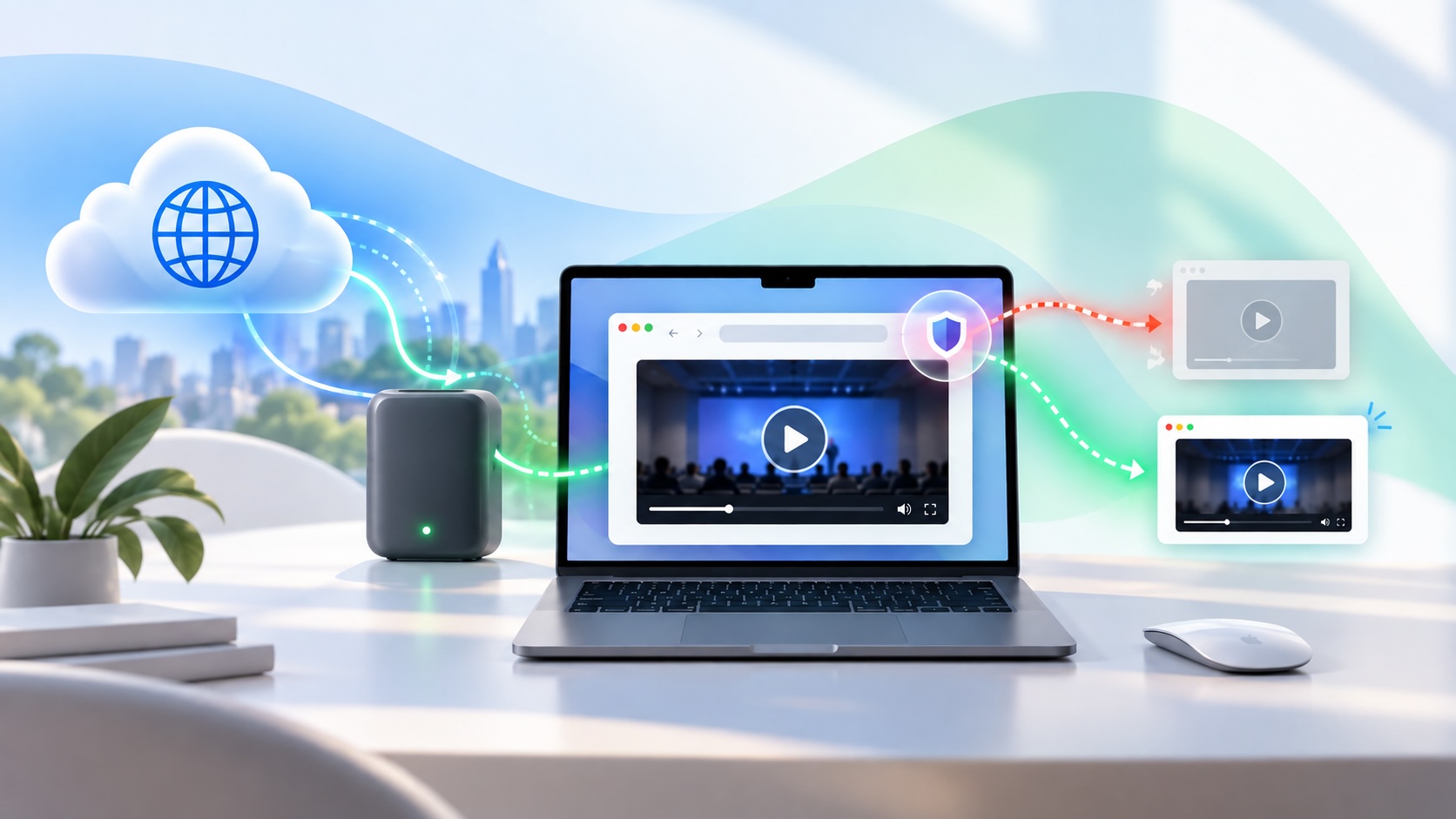
When Chromium Mistakes Your VPN for a Local Network
Turning off Jamf Trust fixed the webinar, which normally would have sent me straight to its routing policies. This time the route was fine: Chromium was treating Jamf's ZTNA broker addresses as a local network, and an Edge and Chrome preference corrected it.

Clamshell iBook G3 Restoration, Part 1: From Broken Screen to Board-Level Repair
Part one of a Clamshell iBook G3 restoration: a broken screen, a charger detour, a blinking system folder, a full teardown, and the backlight connector mistake that paused the project.
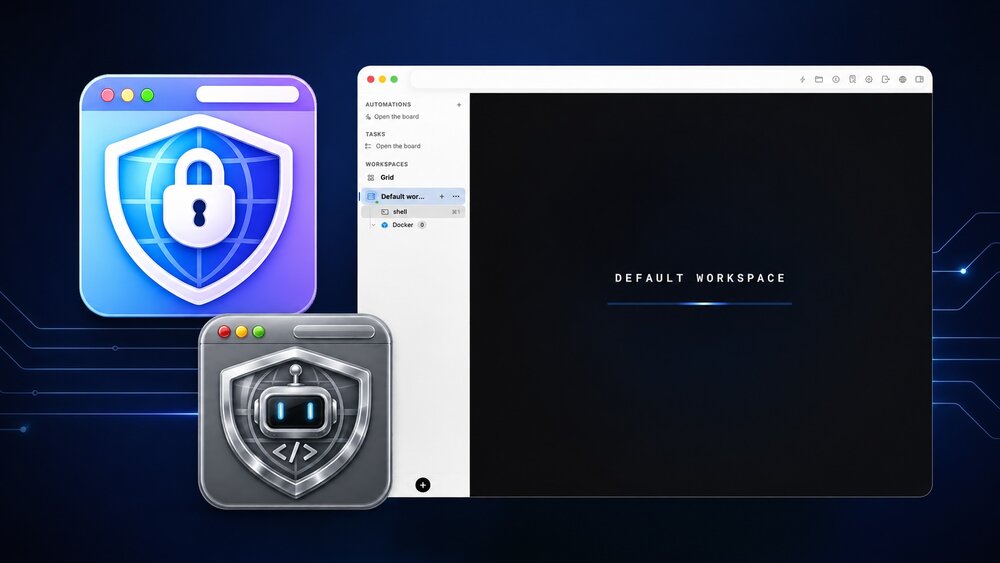
Bromure Gives Codex a Room of Its Own
I installed Bromure Agentic Coding, watched it build the Linux VM, authenticated Codex, and followed a real Codex task through the workspace.
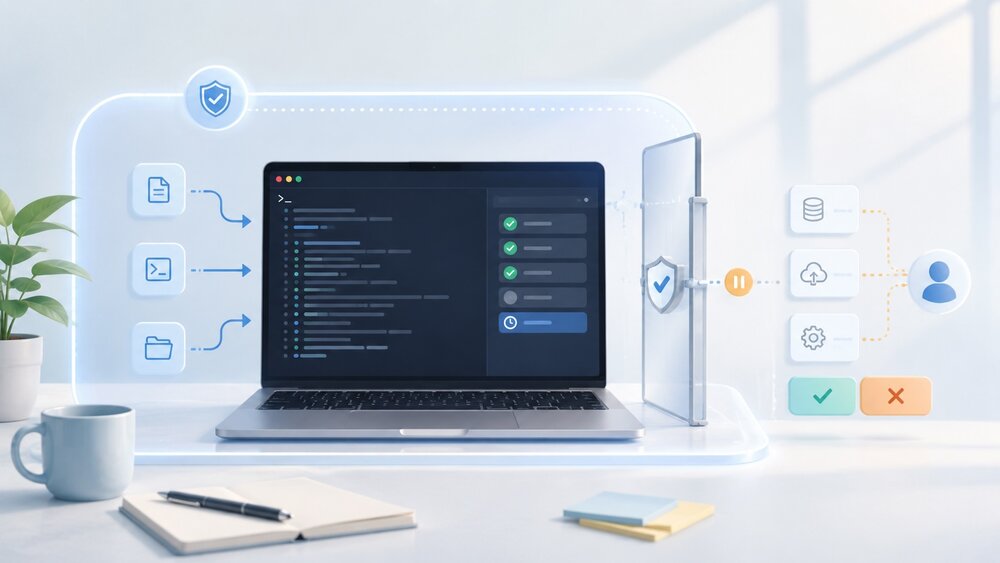
Claude Code Auto Mode Changes Approval Flow, Not the Safety Boundary
Claude Code Auto mode changes how approval decisions are handled. It does not expand the boundary of what the coding agent should be allowed to do.

Amnesia Stealer Shows the Next Stage of ClickFix on macOS
Amnesia Stealer shows how ClickFix-style social engineering is adapting on macOS, while a public malware sample gives defenders an opportunity to study the behavior behind the campaign.
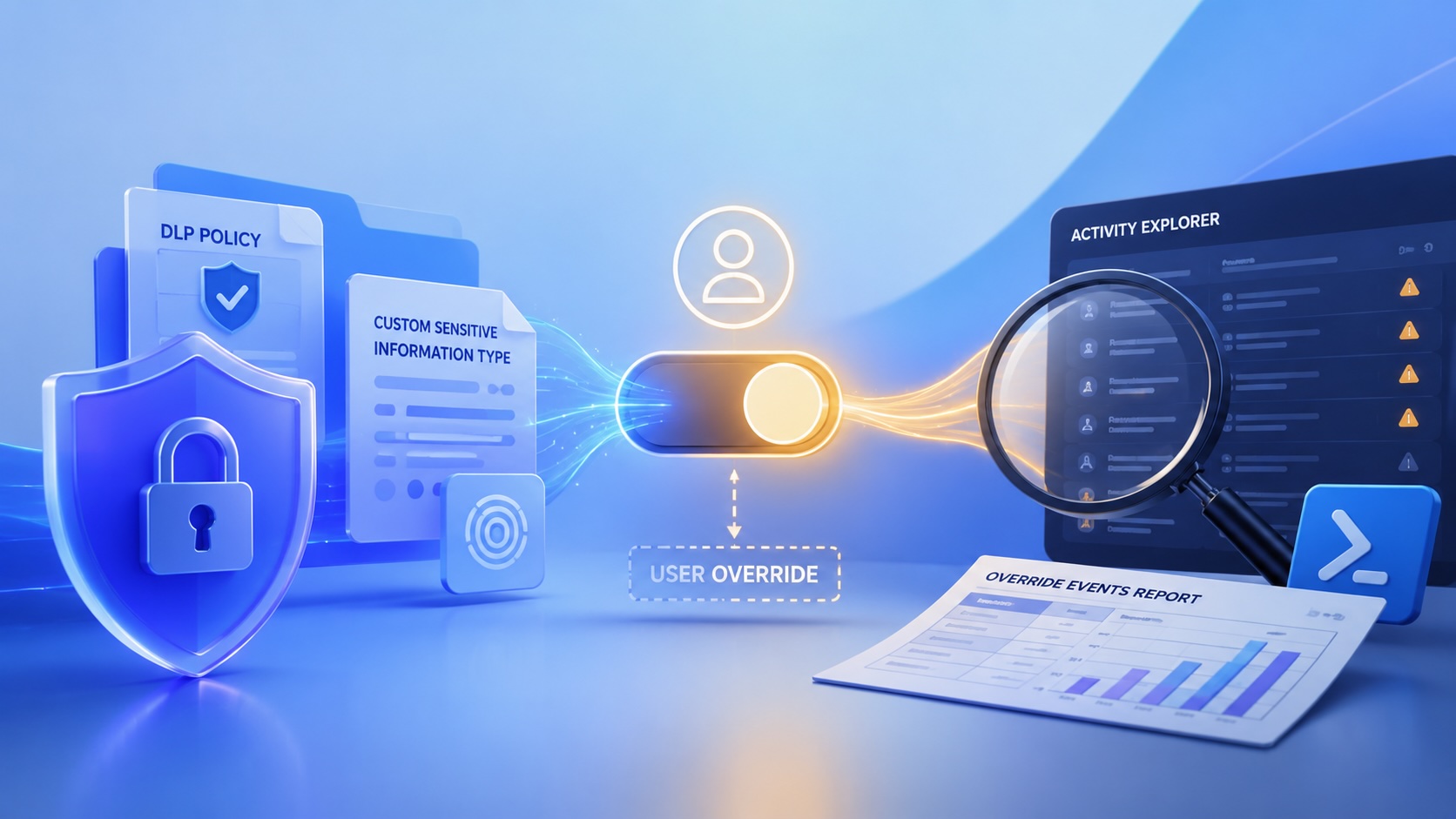
Reporting on Microsoft 365 DLP Overrides with PowerShell
DLP overrides are not automatically bad. They are a business process that needs visibility. This walkthrough covers a Microsoft Purview DLP policy, a custom sensitive information type, user override behavior, and a PowerShell report that exports override events from Activity Explorer.
PowerBook 140 BlueSCSI Install: Cable Fixed, Battery-Bay Power, and Wi-Fi Setup
The PowerBook 140 project moved from preparing a BlueSCSI card in Basilisk II to installing the repaired internal SCSI cable, powering the BlueSCSI Pico externally from the battery bay, booting System 7.1, and fighting through DaynaPORT Wi-Fi setup.

Move Entra Users Off SMS and Voice Before Microsoft Retires Them
Microsoft is retiring Microsoft-provided SMS and voice authentication in Entra ID. The migration is not passkeys for everyone; it is removing weak telecom MFA and choosing supported replacement methods such as Microsoft Authenticator, FIDO2 keys, certificate-based authentication, OATH hardware tokens, or customer-managed telecom.
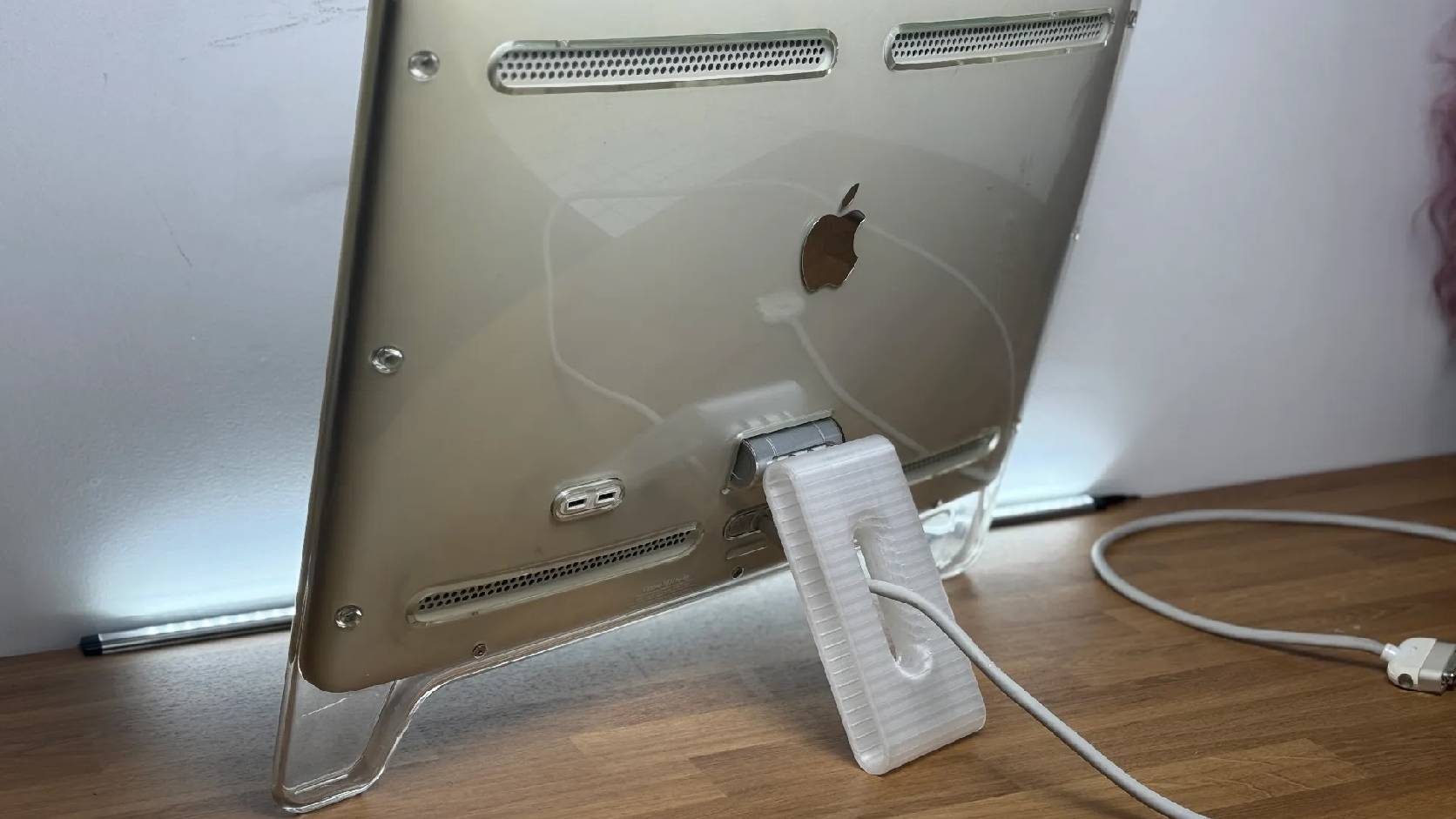
Fixing a Broken Apple Cinema Display Stand with a 3D Printed Leg
A 22-inch Apple Cinema Display arrived with a broken acrylic easel stand, so I used a 3D printed replacement leg instead of sending the monitor back.

macOS Tahoe 26.6.1 Fixes a High-Severity Screen Sharing Authentication Bypass
macOS Tahoe 26.6.1 fixes CVE-2026-65400, a high-severity Screen Sharing authentication issue where an attacker on the network may be able to authenticate without valid credentials.