
🌱 Embracing Emotional Growth in Business: A Journey of Resilience 🚀
Dear LinkedIn Community,
Today, I want to open up about a challenge that has been a constant companion on my entrepreneurial journey—the struggle to separate my personal feelings, passion, and drive from my day-to-day business operations. Early in my career, wearing my heart on my sleeve was an asset. It helped me connect with clients, foster deep relationships, and gain trust.
Yet, as my business soared, I found myself crashing into emotional lows when faced with setbacks. This emotional rollercoaster sometimes led to behaviors I wasn’t proud of. Acknowledging this struggle is a journey in itself, and one I’m still navigating.
One of my early regrets was not having enough trusted mentors to guide me through these challenges. Finding a mentor is invaluable. They provide a compass, helping us identify negative patterns, and guiding us towards healthier approaches.
Here are some lessons I’ve learned:
1️⃣ Client Relationships: When a client moves on, it’s not a personal rejection. Instead, view it as the end of a chapter. Stay cordial, continue communicating, and use the experience as an opportunity for growth.
2️⃣ Learning from Loss: Understand why clients move on. Often, it’s about business deficiencies, not personal traits. Use this insight to improve your services, channeling feelings into positive change.
3️⃣ Emotional Processing: Find a confidant. Sharing your feelings and turning them into constructive steps is vital for emotional health. Don’t carry the burden alone.
Emotions in business are natural, and they often reflect our investment and passion. Acknowledge these feelings, but learn how to process them positively. Through personal and business growth, we can create stronger, more authentic relationships with our teams and clients.
Let’s embrace this journey together, supporting one another in our quests for emotional intelligence and business excellence. Remember, your emotions are a powerful asset—embrace them, learn from them, and let them guide you toward greater success.
AI Usage Transparency Report
AI Era · Written during widespread use of AI tools
AI Signal Composition
Score: 0.11 · Low AI Influence
Summary
The article discusses the importance of emotional intelligence in business, highlighting the need to separate personal feelings from professional operations and learn to process emotions positively.
Related Posts
When Chromium Mistakes Your VPN for a Local Network
Turning off Jamf Trust fixed the webinar, which normally would have sent me straight to its routing policies. This time the route was fine: Chromium was treating Jamf's ZTNA broker addresses as a local network, and an Edge and Chrome preference corrected it.

Clamshell iBook G3 Restoration, Part 1: From Broken Screen to Board-Level Repair
Part one of a Clamshell iBook G3 restoration: a broken screen, a charger detour, a blinking system folder, a full teardown, and the backlight connector mistake that paused the project.
Bromure Gives Codex a Room of Its Own
I installed Bromure Agentic Coding, watched it build the Linux VM, authenticated Codex, and followed a real Codex task through the workspace.
Claude Code Auto Mode Changes Approval Flow, Not the Safety Boundary
Claude Code Auto mode changes how approval decisions are handled. It does not expand the boundary of what the coding agent should be allowed to do.

Amnesia Stealer Shows the Next Stage of ClickFix on macOS
Amnesia Stealer shows how ClickFix-style social engineering is adapting on macOS, while a public malware sample gives defenders an opportunity to study the behavior behind the campaign.
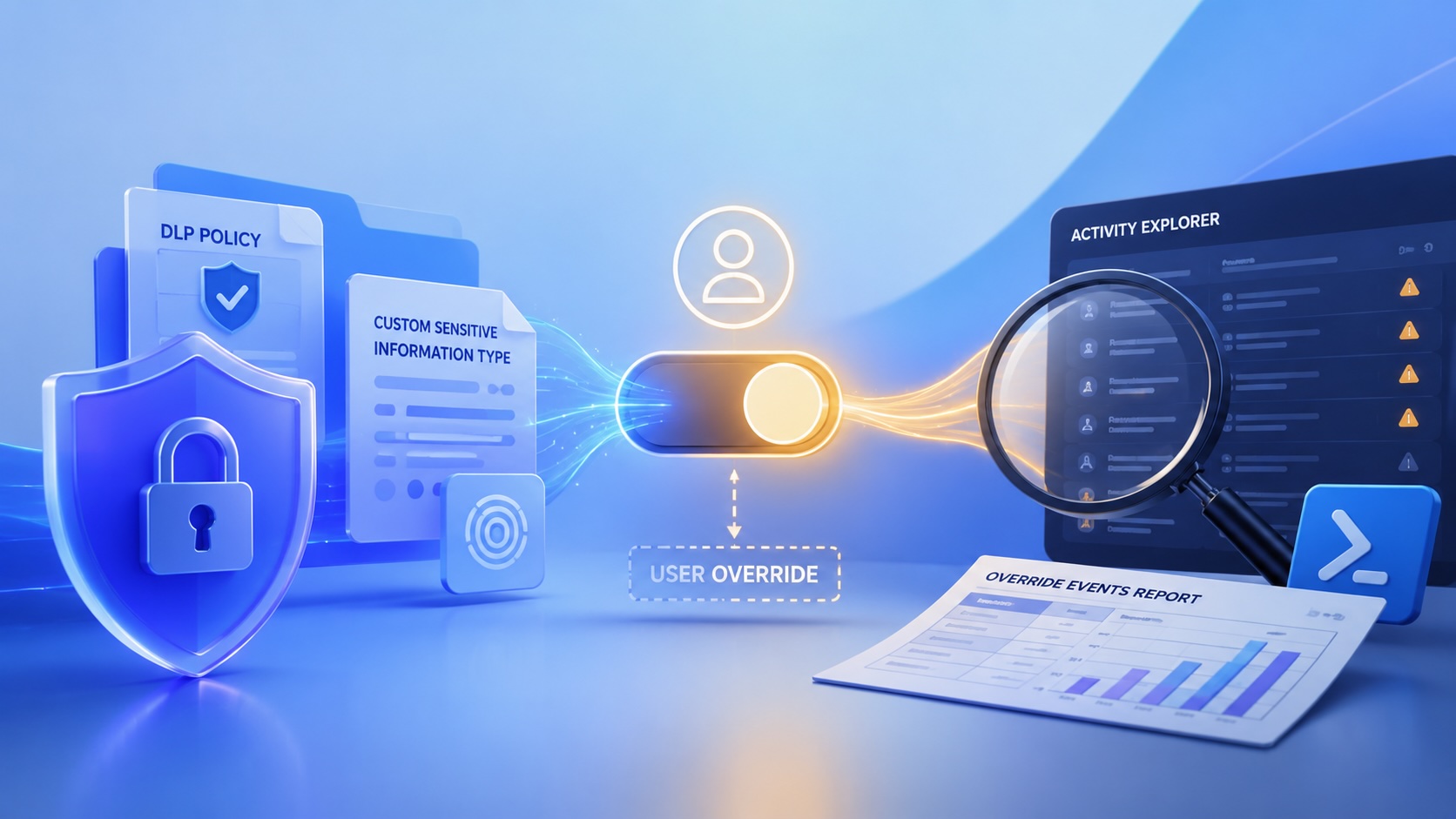
Reporting on Microsoft 365 DLP Overrides with PowerShell
DLP overrides are not automatically bad. They are a business process that needs visibility. This walkthrough covers a Microsoft Purview DLP policy, a custom sensitive information type, user override behavior, and a PowerShell report that exports override events from Activity Explorer.

PowerBook 140 BlueSCSI Install: Cable Fixed, Battery-Bay Power, and Wi-Fi Setup
The PowerBook 140 project moved from preparing a BlueSCSI card in Basilisk II to installing the repaired internal SCSI cable, powering the BlueSCSI Pico externally from the battery bay, booting System 7.1, and fighting through DaynaPORT Wi-Fi setup.

Move Entra Users Off SMS and Voice Before Microsoft Retires Them
Microsoft is retiring Microsoft-provided SMS and voice authentication in Entra ID. The migration is not passkeys for everyone; it is removing weak telecom MFA and choosing supported replacement methods such as Microsoft Authenticator, FIDO2 keys, certificate-based authentication, OATH hardware tokens, or customer-managed telecom.

Fixing a Broken Apple Cinema Display Stand with a 3D Printed Leg
A 22-inch Apple Cinema Display arrived with a broken acrylic easel stand, so I used a 3D printed replacement leg instead of sending the monitor back.

macOS Tahoe 26.6.1 Fixes a High-Severity Screen Sharing Authentication Bypass
macOS Tahoe 26.6.1 fixes CVE-2026-65400, a high-severity Screen Sharing authentication issue where an attacker on the network may be able to authenticate without valid credentials.