
Starting a business is often framed as a leap of faith, but one of the most important parts of building something real happens before the leap itself. The validation phase is where an idea starts to prove whether it resonates with other people. It is the stage where you test not only whether the concept makes sense to you, but whether it creates genuine interest, energy, and trust with the people who may eventually become your first customers.
That phase matters because enthusiasm from the market is often the first real signal that a business idea has legs. Early conversations with friends, family, peers, and potential clients can reveal whether the idea solves a meaningful problem and whether people respond to the value behind it. In many cases, that early feedback does more to shape a business than any brand asset or polished launch plan.
For me, the validation phase was not just about hearing encouragement. It was where some of the earliest support began to take shape in practical ways. The excitement around the idea created momentum, and that momentum helped turn early relationships into real opportunities. When people believe in what you are building before the business is fully formed, it can create a level of alignment that is hard to manufacture later.
That is what makes validation so powerful. It does not just test the idea. It helps you understand whether the business can generate trust before it has all the outward signs of being established. A company can still be early, undefined, or loosely structured and still create a strong response if the underlying value is clear. You do not need a perfect logo, a finished brand, or a fully polished public identity before people can understand the benefit of what you are offering.
The validation phase also reveals something important about the founder. If the business idea genuinely excites you, that tends to show up in the way you talk about it, build around it, and invite others into it. That energy is not a substitute for execution, but it often helps create the first wave of support that gets a business moving. When that energy is matched by real value, it becomes easier for others to believe in the business early.
That is why validation should not be treated as a casual step. It is one of the strongest early indicators of whether the business can create real demand and real loyalty. The more clearly you can see how people respond before the business is fully built, the better your decisions will be as you move forward. A strong foundation often begins not with a launch, but with the moment the idea proves it matters to someone besides you.
AI Usage Transparency Report
AI Era · Written during widespread use of AI tools
AI Signal Composition
Score: 0.11 · Low AI Influence
Summary
The validation phase is a crucial step in building a business, where an idea is tested to see if it resonates with others and creates genuine interest, energy, and trust.
Related Posts

When Chromium Mistakes Your VPN for a Local Network
Turning off Jamf Trust fixed the webinar, which normally would have sent me straight to its routing policies. This time the route was fine: Chromium was treating Jamf's ZTNA broker addresses as a local network, and an Edge and Chrome preference corrected it.

Clamshell iBook G3 Restoration, Part 1: From Broken Screen to Board-Level Repair
Part one of a Clamshell iBook G3 restoration: a broken screen, a charger detour, a blinking system folder, a full teardown, and the backlight connector mistake that paused the project.
Bromure Gives Codex a Room of Its Own
I installed Bromure Agentic Coding, watched it build the Linux VM, authenticated Codex, and followed a real Codex task through the workspace.
Claude Code Auto Mode Changes Approval Flow, Not the Safety Boundary
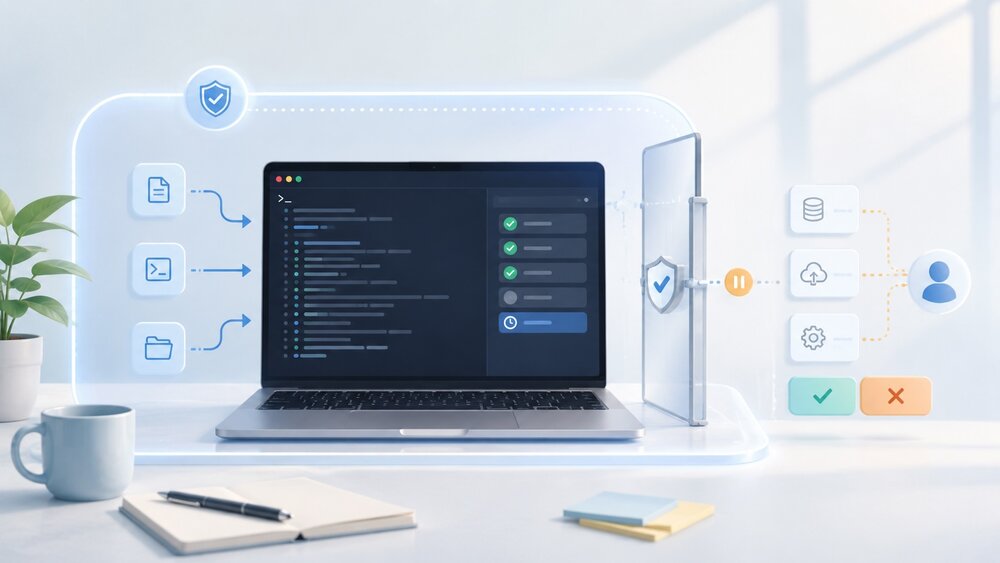
Claude Code Auto mode changes how approval decisions are handled. It does not expand the boundary of what the coding agent should be allowed to do.

Amnesia Stealer Shows the Next Stage of ClickFix on macOS
Amnesia Stealer shows how ClickFix-style social engineering is adapting on macOS, while a public malware sample gives defenders an opportunity to study the behavior behind the campaign.

Reporting on Microsoft 365 DLP Overrides with PowerShell
DLP overrides are not automatically bad. They are a business process that needs visibility. This walkthrough covers a Microsoft Purview DLP policy, a custom sensitive information type, user override behavior, and a PowerShell report that exports override events from Activity Explorer.
PowerBook 140 BlueSCSI Install: Cable Fixed, Battery-Bay Power, and Wi-Fi Setup
The PowerBook 140 project moved from preparing a BlueSCSI card in Basilisk II to installing the repaired internal SCSI cable, powering the BlueSCSI Pico externally from the battery bay, booting System 7.1, and fighting through DaynaPORT Wi-Fi setup.

Move Entra Users Off SMS and Voice Before Microsoft Retires Them
Microsoft is retiring Microsoft-provided SMS and voice authentication in Entra ID. The migration is not passkeys for everyone; it is removing weak telecom MFA and choosing supported replacement methods such as Microsoft Authenticator, FIDO2 keys, certificate-based authentication, OATH hardware tokens, or customer-managed telecom.
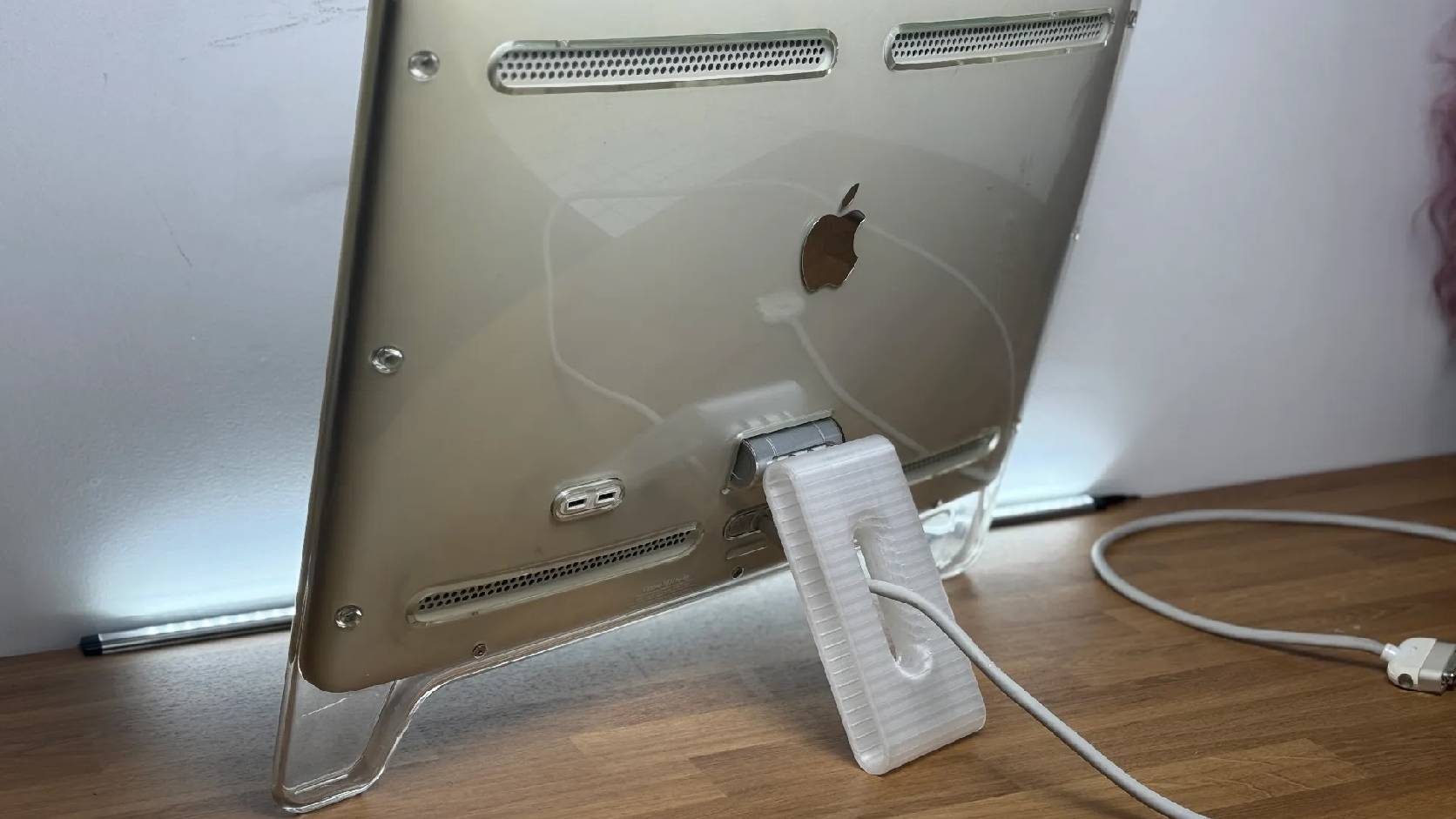
Fixing a Broken Apple Cinema Display Stand with a 3D Printed Leg
A 22-inch Apple Cinema Display arrived with a broken acrylic easel stand, so I used a 3D printed replacement leg instead of sending the monitor back.

macOS Tahoe 26.6.1 Fixes a High-Severity Screen Sharing Authentication Bypass
macOS Tahoe 26.6.1 fixes CVE-2026-65400, a high-severity Screen Sharing authentication issue where an attacker on the network may be able to authenticate without valid credentials.