

In the vast tapestry of life, we often find ourselves ensconced in the comforting embrace of the familiar. It’s easy to get accustomed to the routine, to revel in the known. But what if I told you that real growth, the kind that transforms us into the best versions of ourselves, lies just beyond the borders of our comfort zones?
The Power of Discomfort
“It’s been said that if you’re the smartest person in the room, you’re in the wrong room.” This wisdom encapsulates a profound truth: our most significant growth occurs when we are challenged, when we find ourselves in situations that force us to think differently, to stretch our boundaries, and to evolve.
I recently had the privilege of experiencing this firsthand during my time as an IT Director at a digital marketing agency. At first, my role seemed limited – maintaining the digital infrastructure so the creative and strategic minds around me could work their magic. Little did I know, this environment would become the crucible of my transformation.
Surrounded by Brilliance
Everyone around me was providing digital and strategic guidance for some of the country’s largest companies and most established brands. I was merely there to ensure their computers ran smoothly. Yet, being in a room filled with industry giants, I realized I was in the right place. Their brilliance became the catalyst for my own growth.
Lessons Learned and Bridges Crossed
How did I transform from a position that seemed mundane into a journey of entrepreneurship and personal growth? The answer lay in actively seeking discomfort:
-
Attend Industry Events: By attending conferences, workshops, and networking events, I immersed myself in an ocean of diverse ideas. Engaging with professionals outside my field broadened my perspective and challenged my thinking.
-
Volunteer for Challenges: I volunteered for projects that stretched my skills. These experiences forced me to adapt, innovate, and learn rapidly. They taught me the value of resilience and creative problem-solving.
-
Seek Diverse Mentors: Actively seeking mentors from varied backgrounds exposed me to different ways of thinking. Their guidance provided me with invaluable insights, helping me navigate complexities and uncertainties.
-
Online Communities and Discussion Groups: Joining online forums related to my interests allowed me to interact with experts and enthusiasts globally. The digital space became my canvas for learning, sharing, and collaborating.
The Essence of Personal Growth
Embracing discomfort became my mantra. Eleanor Roosevelt’s words, “Do one thing every day that scares you,” resonated profoundly. Every step outside my comfort zone became a stepping stone toward personal and professional excellence.
Join the Journey
I encourage each one of you to reflect on your own journey. When was the last time you felt truly challenged? When did you last push your boundaries? Embrace discomfort as a friend, a guide on your journey to becoming the best version of yourself. Let’s embark on this journey together. Share your stories, your challenges, and your triumphs. Let’s create a community that celebrates the courage to step into the unknown. Remember, growth isn’t a destination; it’s a continuous, exhilarating journey. Here’s to embracing discomfort, to transcending our limits, and to evolving into greatness.
AI Usage Transparency Report
AI Era · Written during widespread use of AI tools
AI Signal Composition
Score: 0.15 · Low AI Influence
Summary
The article discusses the importance of embracing discomfort as a catalyst for personal and professional growth, highlighting the author's own journey from an IT Director to entrepreneurship.
Related Posts

When Chromium Mistakes Your VPN for a Local Network
Turning off Jamf Trust fixed the webinar, which normally would have sent me straight to its routing policies. This time the route was fine: Chromium was treating Jamf's ZTNA broker addresses as a local network, and an Edge and Chrome preference corrected it.

Clamshell iBook G3 Restoration, Part 1: From Broken Screen to Board-Level Repair
Part one of a Clamshell iBook G3 restoration: a broken screen, a charger detour, a blinking system folder, a full teardown, and the backlight connector mistake that paused the project.
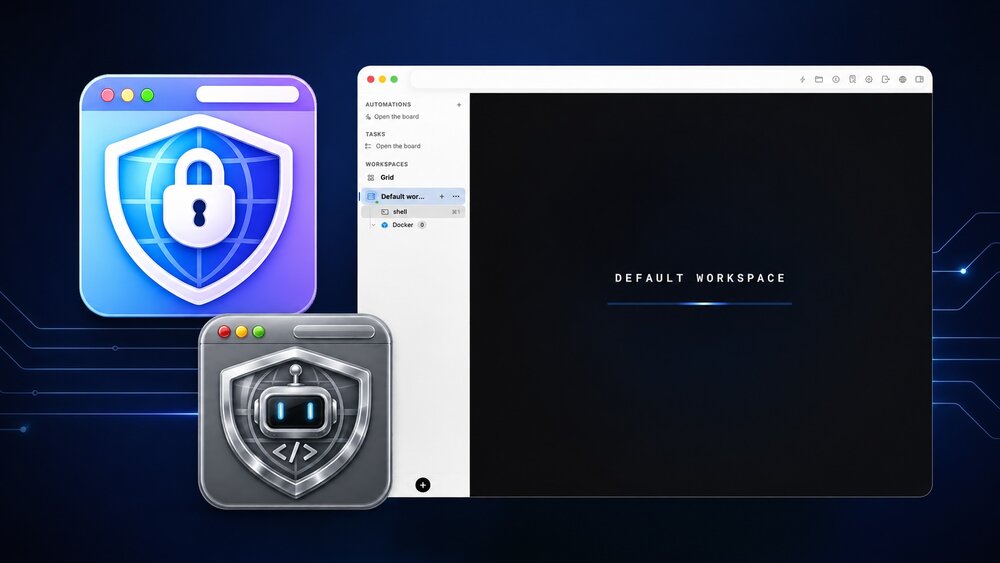
Bromure Gives Codex a Room of Its Own
I installed Bromure Agentic Coding, watched it build the Linux VM, authenticated Codex, and followed a real Codex task through the workspace.

Claude Code Auto Mode Changes Approval Flow, Not the Safety Boundary
Claude Code Auto mode changes how approval decisions are handled. It does not expand the boundary of what the coding agent should be allowed to do.

Amnesia Stealer Shows the Next Stage of ClickFix on macOS
Amnesia Stealer shows how ClickFix-style social engineering is adapting on macOS, while a public malware sample gives defenders an opportunity to study the behavior behind the campaign.

Reporting on Microsoft 365 DLP Overrides with PowerShell
DLP overrides are not automatically bad. They are a business process that needs visibility. This walkthrough covers a Microsoft Purview DLP policy, a custom sensitive information type, user override behavior, and a PowerShell report that exports override events from Activity Explorer.
PowerBook 140 BlueSCSI Install: Cable Fixed, Battery-Bay Power, and Wi-Fi Setup
The PowerBook 140 project moved from preparing a BlueSCSI card in Basilisk II to installing the repaired internal SCSI cable, powering the BlueSCSI Pico externally from the battery bay, booting System 7.1, and fighting through DaynaPORT Wi-Fi setup.

Move Entra Users Off SMS and Voice Before Microsoft Retires Them
Microsoft is retiring Microsoft-provided SMS and voice authentication in Entra ID. The migration is not passkeys for everyone; it is removing weak telecom MFA and choosing supported replacement methods such as Microsoft Authenticator, FIDO2 keys, certificate-based authentication, OATH hardware tokens, or customer-managed telecom.
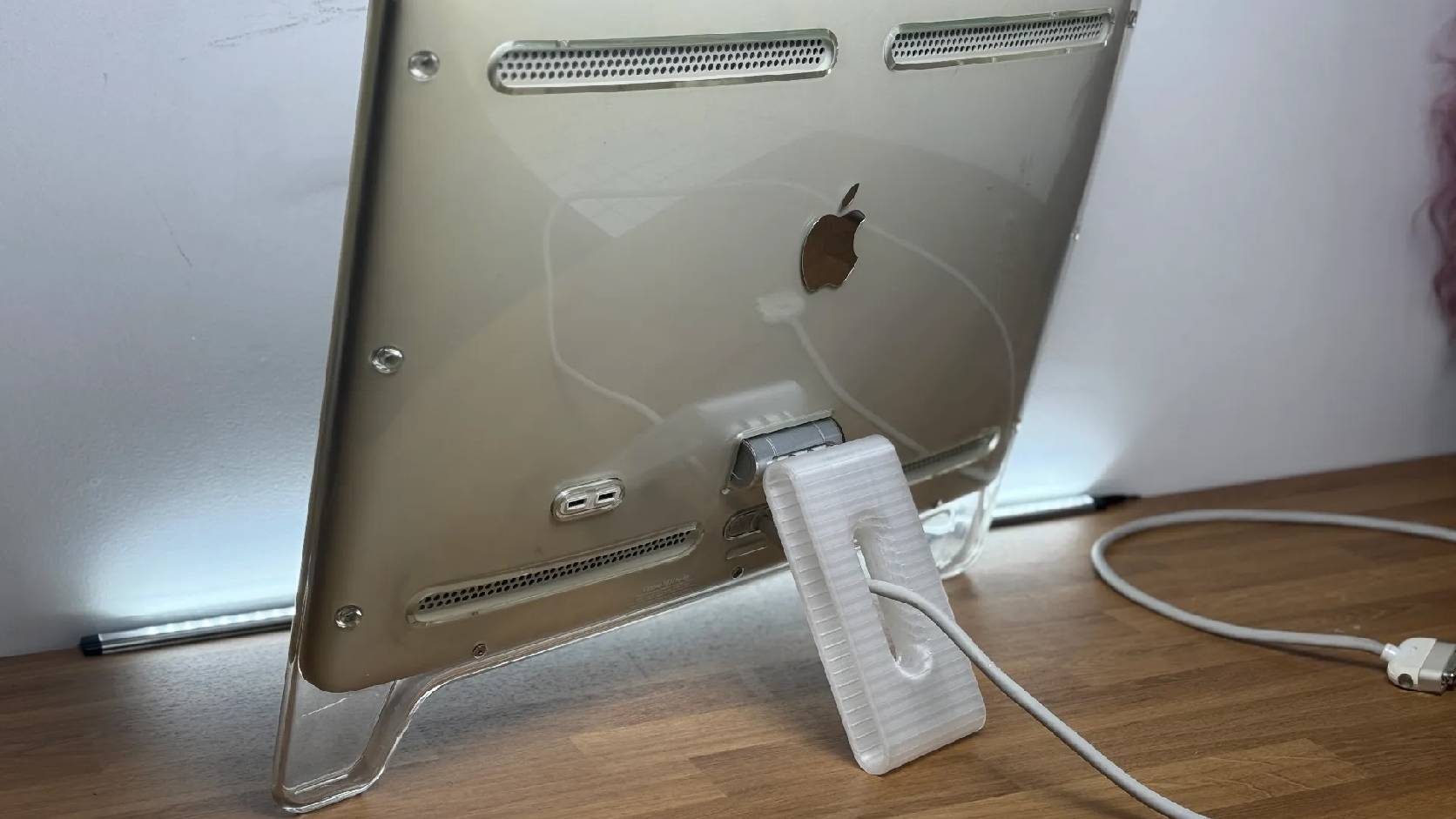
Fixing a Broken Apple Cinema Display Stand with a 3D Printed Leg
A 22-inch Apple Cinema Display arrived with a broken acrylic easel stand, so I used a 3D printed replacement leg instead of sending the monitor back.

macOS Tahoe 26.6.1 Fixes a High-Severity Screen Sharing Authentication Bypass
macOS Tahoe 26.6.1 fixes CVE-2026-65400, a high-severity Screen Sharing authentication issue where an attacker on the network may be able to authenticate without valid credentials.