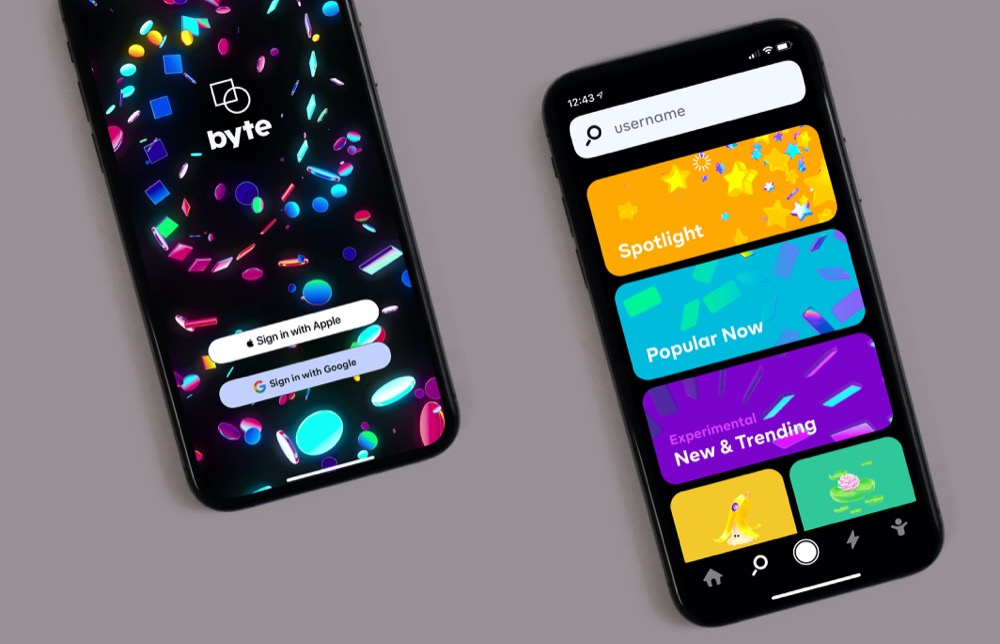

In the third Quarter of 2020 Apple’s App Store made double what Google’s Play store made.
With over 30 Billion app installs Apple’s App Store saw consumers spending around $30 billion in total according to the leading App Store analytics firm.
App stores have seen sustained and expanding growth in the last couple of years with more and more companies launching App store / Launcher store models.
In-app purchases, premium apps, & subscriptions totaled $19 billion worldwide on Apple’s App Store which is twice the amount brought in by Google Play, that is despite the fact that Google Play had three times as many app installs with Apple having 8 billion app installs and Google Play having 28 billion installs.
This shows consumers’ willingness to pay for quality content over trying many different free apps, Indeed I myself on Android devices have found myself trying three or more different apps before I find the one that works best for my need and then within a year or so I find that app is no longer available.
Whereas on the Apple App Store I have had to try fewer apps before I have found the one I need.
And have often been happy to then upgrade for add free versions or extra features, One App that offers a premium version I have been paying $7 a year for over the last 12 years.
I’ve had no need to look for a better alternative as this premium app does exactly what I want, and it is updated yearly so works with whatever iOS device I want to use it with.
Game apps have seen the highest earnings made on App stores across all platforms, with Apps like TikTok , Tinder, WhatsApp, Instagram, & Facebook taking both the largest number of installs and highest earnings.
As we discussed earlier in our article about the possibility of a third party App Store on iOS, these vast revenue’s running through Apple’s accounts are starting to attract derision and antitrust claims from developers and Governmental bodies alike.
And the fact Apple is now making double what its main competitor in the App store market is making will only add to the pressure on Apple to ease its tight grip on iOS app installs.
Analysts from App Store analytics firms are predicting towards the end of 2020 home screen customisations such as those introduced in iOS 14 will see significant growth. See our article on iOS 14 customisation.
This market could be very similar and maybe even more lucrative than the in-game purchases being made which allow the game players to simply change the colour of an object in game or gives them access to premium emotes and weapon skins. All of which are very cheaply priced and are mostly cosmetic changes within the game and so easy to implement.
AI Usage Transparency Report
Pre-AI Era · Written before widespread use of generative AI tools
AI Signal Composition
Score: 0.0 · Low AI Influence
Summary
With over 30 billion app installs, Apple's App Store has seen significant consumer spending. According to the leading App Store analytics firm, this translates to a total of approximately $30 billion spent by users. This figure highlights the vast scale and commercial impact of the App Store on the mobile ecosystem.
Related Posts
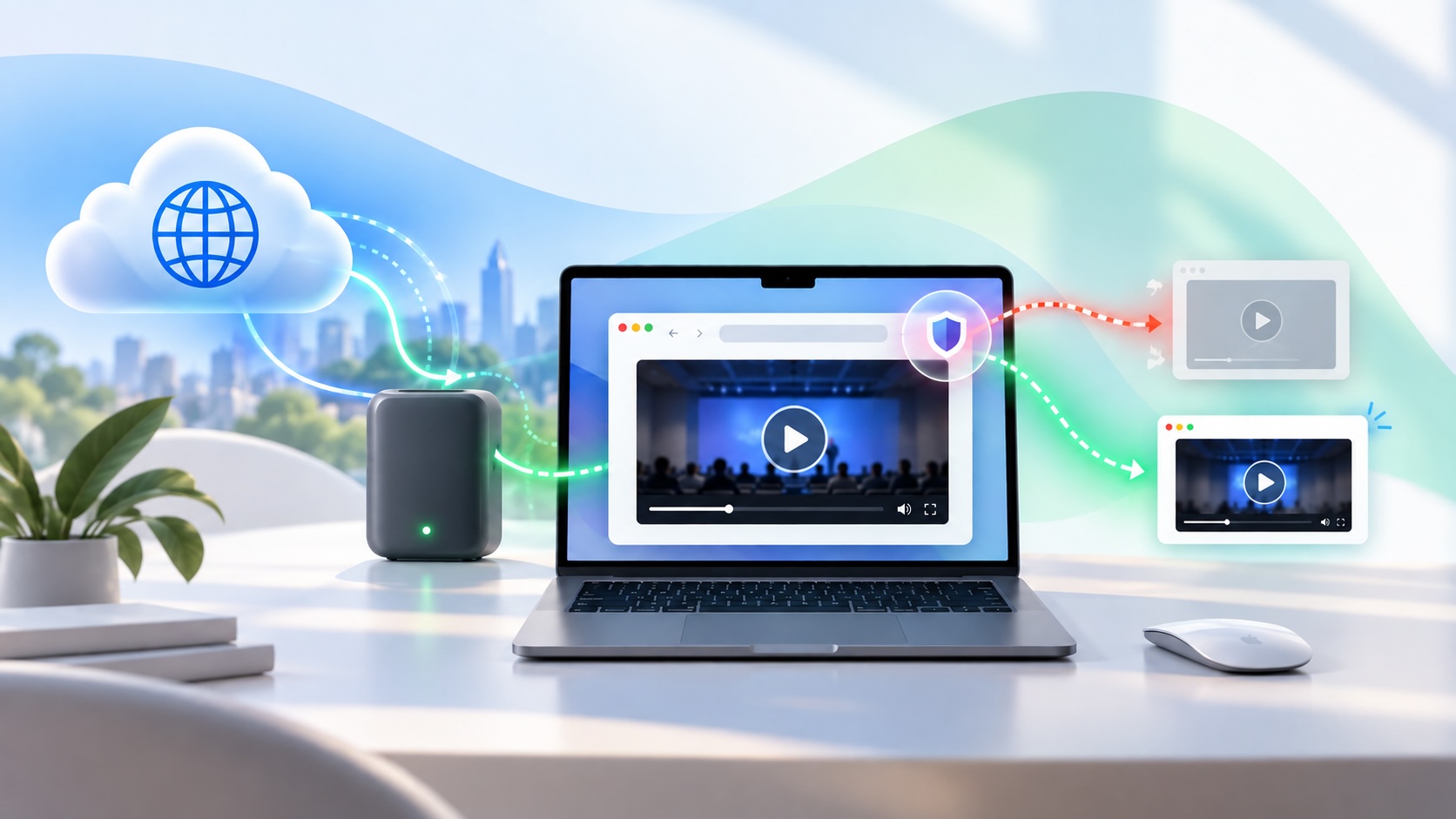
When Chromium Mistakes Your VPN for a Local Network
Turning off Jamf Trust fixed the webinar, which normally would have sent me straight to its routing policies. This time the route was fine: Chromium was treating Jamf's ZTNA broker addresses as a local network, and an Edge and Chrome preference corrected it.

Clamshell iBook G3 Restoration, Part 1: From Broken Screen to Board-Level Repair
Part one of a Clamshell iBook G3 restoration: a broken screen, a charger detour, a blinking system folder, a full teardown, and the backlight connector mistake that paused the project.
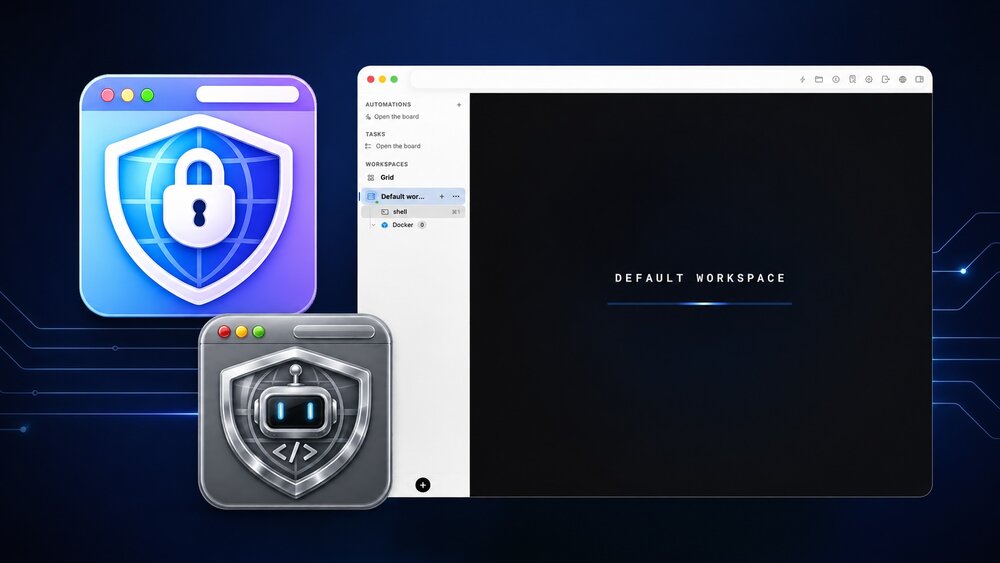
Bromure Gives Codex a Room of Its Own
I installed Bromure Agentic Coding, watched it build the Linux VM, authenticated Codex, and followed a real Codex task through the workspace.
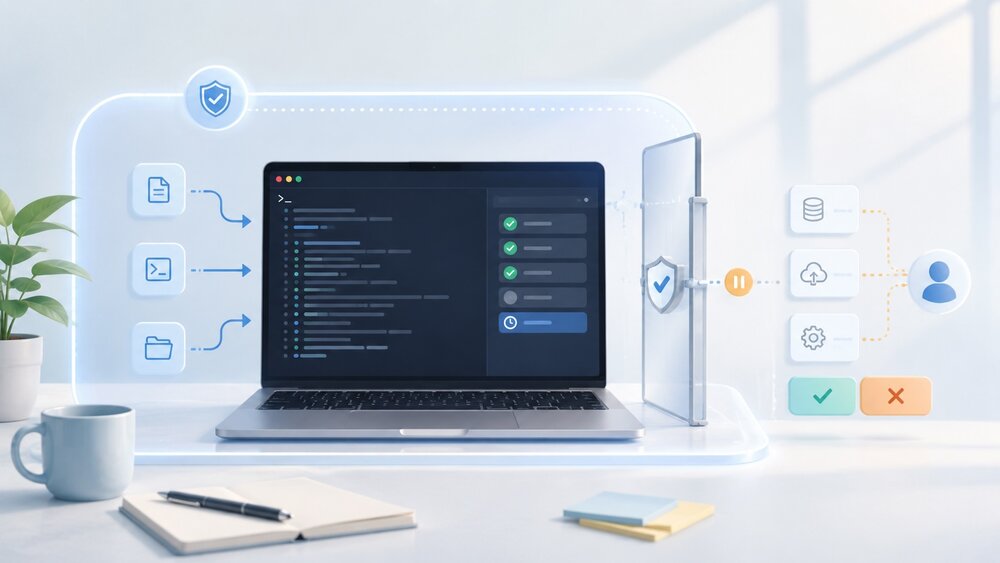
Claude Code Auto Mode Changes Approval Flow, Not the Safety Boundary
Claude Code Auto mode changes how approval decisions are handled. It does not expand the boundary of what the coding agent should be allowed to do.
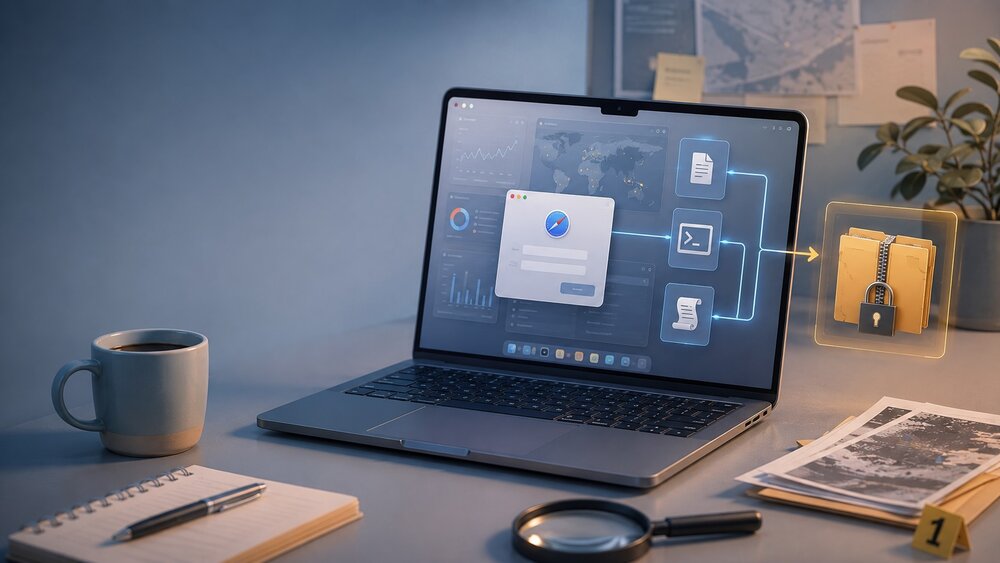
Amnesia Stealer Shows the Next Stage of ClickFix on macOS
Amnesia Stealer shows how ClickFix-style social engineering is adapting on macOS, while a public malware sample gives defenders an opportunity to study the behavior behind the campaign.
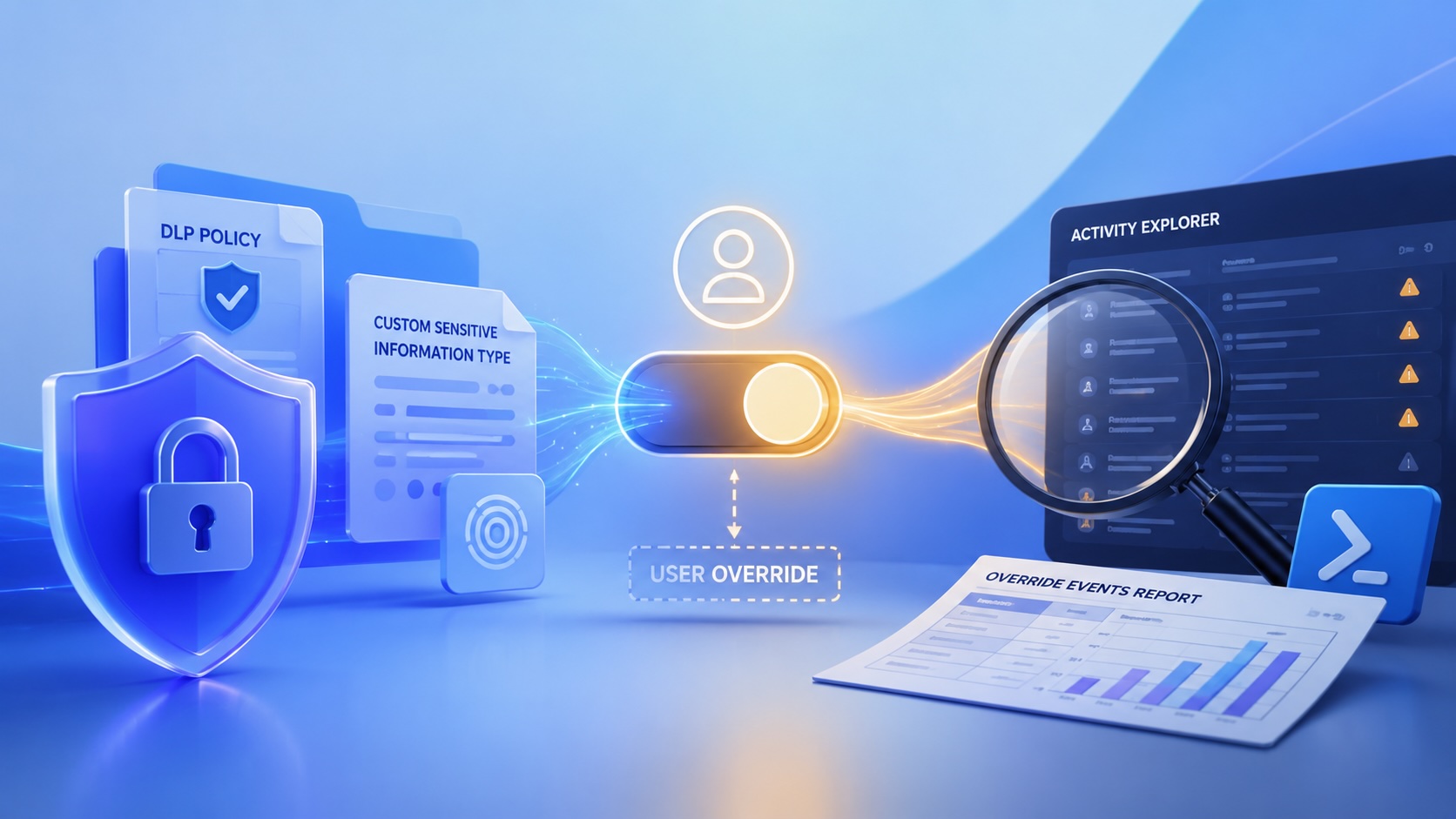
Reporting on Microsoft 365 DLP Overrides with PowerShell
DLP overrides are not automatically bad. They are a business process that needs visibility. This walkthrough covers a Microsoft Purview DLP policy, a custom sensitive information type, user override behavior, and a PowerShell report that exports override events from Activity Explorer.
PowerBook 140 BlueSCSI Install: Cable Fixed, Battery-Bay Power, and Wi-Fi Setup
The PowerBook 140 project moved from preparing a BlueSCSI card in Basilisk II to installing the repaired internal SCSI cable, powering the BlueSCSI Pico externally from the battery bay, booting System 7.1, and fighting through DaynaPORT Wi-Fi setup.

Move Entra Users Off SMS and Voice Before Microsoft Retires Them
Microsoft is retiring Microsoft-provided SMS and voice authentication in Entra ID. The migration is not passkeys for everyone; it is removing weak telecom MFA and choosing supported replacement methods such as Microsoft Authenticator, FIDO2 keys, certificate-based authentication, OATH hardware tokens, or customer-managed telecom.
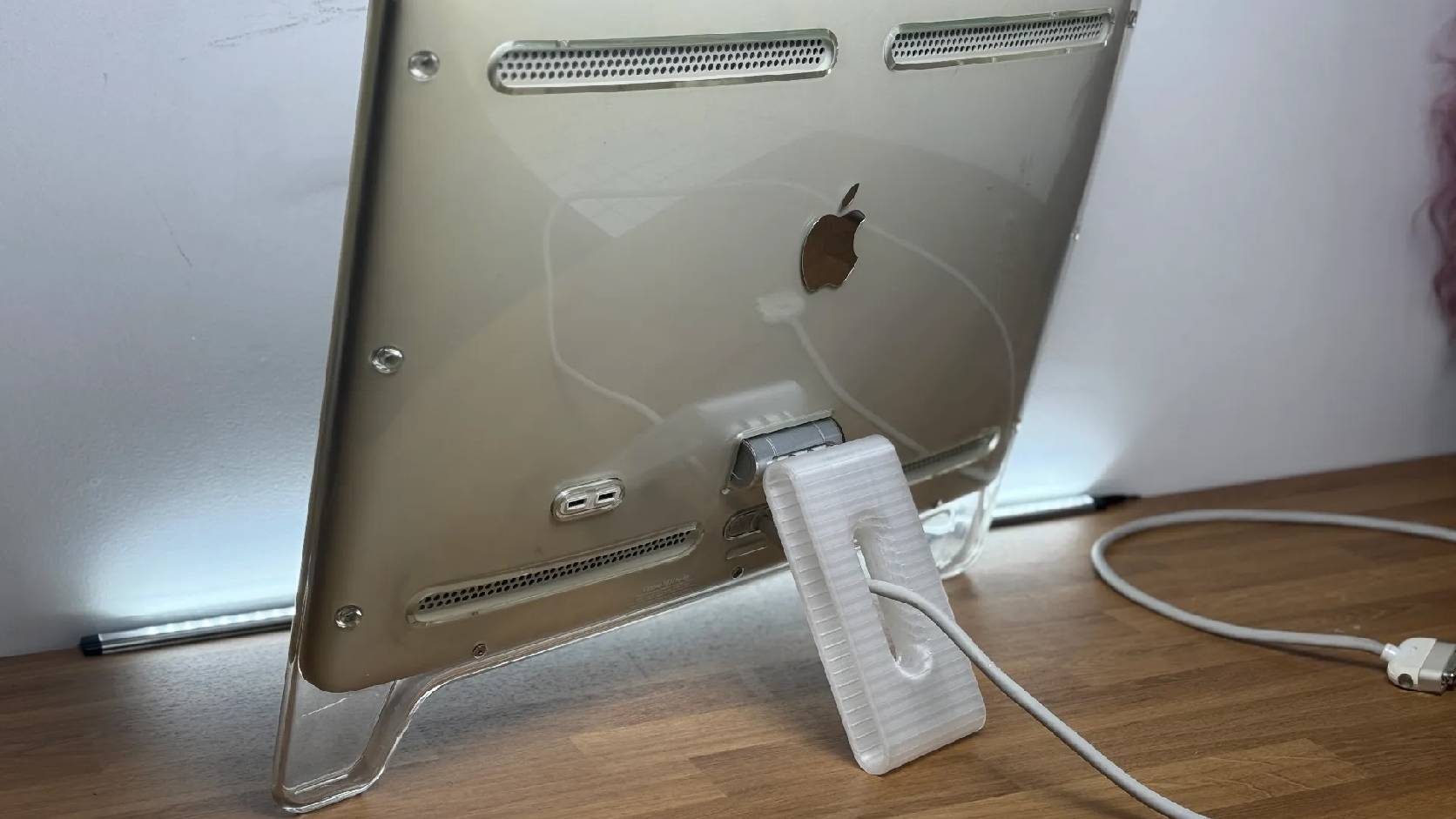
Fixing a Broken Apple Cinema Display Stand with a 3D Printed Leg
A 22-inch Apple Cinema Display arrived with a broken acrylic easel stand, so I used a 3D printed replacement leg instead of sending the monitor back.

macOS Tahoe 26.6.1 Fixes a High-Severity Screen Sharing Authentication Bypass
macOS Tahoe 26.6.1 fixes CVE-2026-65400, a high-severity Screen Sharing authentication issue where an attacker on the network may be able to authenticate without valid credentials.