
I started thinking about what it means to be a great IT technician. As one of my now roles, IT technician was thrust upon me, among other things, by choice. Primarily because I enjoy it, and so it got me thinking, why do I love it so much? Over the years I have worn the hat of support specialist, web developer, IT manager, IT director, and CEO. I am now the information systems security officer but not matter how hard I try, the pull, and draw of troubleshooting issues pulls on me.
I suppose it makes sense, its one of the only jobs that I have ever felt, at home with, and so much so that it led me to and through a decade long consulting career. Its one of those jobs that never really felt like work and I feel lucky to have found something that I enjoy and am talented at. But why is that, why is it that I am so drawn to this core element that for many is such a drudgery and a grind. What sets appart the standard IT support technician from the others.
Obviously passion, if you enjoy what you do you tend to do it wholeheartedly and it just comes easy. The more I grappled with this concept though the more I realized that I was looking internally and not outwardly. I wasn’t asking the right question. The question really is what makes a great IT support technician, and the answer is that its not the technician that makes themselves great, its the customer, the client, the person with the problem that makes you great, because you aren’t ever great yourself your great because people mandate it.
What sets appart great from good?
Let’s be clear, I don’t think I am a great support technician. I think I am driven, talented and hardworking which are the elements that I control. Its the opinion of those I work with that provide me with the sense of accomplishment that fuels my passion. That said, what sets appart a great tech from the rest of the pack? For me it really comes down to one single thing, WHY. Why is the question that you get often in this field. Why doesn’t this work? Why can’t I open this file? Why is my screen frozen?
Interestingly enough, if you were to go into the why you would realize fairly quickly that they are not actually interested in they why, they really at the core just want you to fix the issue. A truly great technician knows how to navigate this question and approach. At its core IT is a people skilled based job. Yes, obviously you have to deal with technology but you deal with people more, people who use the technology. You deal with the people who also make the technology and companies that sell the technology.
The sooner you understand each entities motivations you start to learn why they do what they do, and when you understand why tech companies do what they do then the decisions they make at the technical level make more sense. In short a great technician knows how to answer the why, but seldom actually explains it, instead they fix the issue while providing a good bedside manner to the obviously frustrated individual who just can’t seem to print.
Why?
So lets dig into the why a little bit more. Sometimes users really do want to know why things aren’t working. A good technician fixes the issue a great technician knows what information to relay to whom and when. They can read body language, take cues and provide the information in a non technial and non threatening way. Great technicians are good storytellers, they can help people understand why an issue happened and what they can do to avoid it by using analogies, or metaphors.
Great technicians can tell when they have explained too much. Its sometimes not easy to tell when its time to stop talking and wrap up your point and a great tech knows how to not get stuck in a midwest goodbye situation.
Sometimes you don’t know why and you never will know why. Great technicians will never make up explanations or gaslight people, if they don’t know they simply admit that they are just as confused as you are, reassuring you that you are working on a solution and will keep them informed when you have more information.
Great technicians agonize about the communication, of system changes knowing that the why is inevitably coming. A good IT communication tries to get ahead of all the potential whys, but welcomes users to ask questions.
Patience Is a Skill, Not a Trait
It took me years to realize that patience isn’t something you’re born with—it’s something you practice, over and over. The best IT support folks aren’t calm because they’re naturally zen; they’re calm because they’ve been through the fire enough times to know that frustration doesn’t solve anything. They’ve been yelled at, looped into never-ending tickets, blamed for things outside their control—and they still show up the next day ready to help.
Being patient doesn’t mean being a doormat. It means you can walk someone through a five-step process twelve times without letting your tone change. It means you can be empathetic to the person who’s had their day ruined by something that seems small to you but is huge to them. That kind of patience creates trust—and that trust is the foundation of a great support relationship.
Pattern Recognition
You do this long enough and you start to see the matrix. Not just in the technology—though yes, you’ll know exactly which firmware version caused that obscure printer crash—but in the behaviors, the language people use when they report problems, the subtle signs of larger systemic issues.
Great technicians aren’t just solving problems in isolation. They’re looking for patterns. That one user who keeps reporting latency? Maybe it’s not their machine. Maybe it’s a switch on the floor that’s dying slowly. A flurry of login issues on a Monday morning? Maybe there’s a policy misconfiguration rolling out with the GPO.
You start seeing these problems like puzzle pieces, and you don’t just fix the broken piece—you start questioning the whole puzzle.
Ownership is Everything
One of the traits I’ve seen over and over again in the greats is ownership. It’s not just about taking responsibility when something breaks—it’s about making sure things get resolved, even when they’re not technically “your job.”
Great techs don’t pass the buck. They escalate when they need to, but they never drop the baton. They follow up. They circle back. They make sure the user knows they’ve been heard, even if the issue takes days to resolve.
Sometimes ownership looks like sending one more email at the end of the day. Sometimes it’s documenting what you found so the next tech doesn’t have to reinvent the wheel. It’s the mindset of: If I touched it, I’ll see it through.
The Invisible Work
Here’s the thing about support: when you’re doing it right, no one notices. The printer just works. The app launches. The login succeeds. And when things break, they get fixed so quickly and so smoothly that the end user barely registers the interruption.
There’s a kind of quiet pride in that. Great technicians live in that invisible space. They’re like stagehands in a theater—if they’re doing their job well, you’ll never know they were there. But without them, the show doesn’t go on.
It’s not glamorous. It doesn’t come with a standing ovation. But there’s deep satisfaction in knowing that hundreds of people were able to do their jobs because you did yours.
Conclusion: It’s About People
Here’s the thing about support: when you’re doing it right, no one notices. The printer just works. The app launches. The login succeeds. And when things break, they get fixed so quickly and so smoothly that the end user barely registers the interruption.
There’s a kind of quiet pride in that. Great technicians live in that invisible space. They’re like stagehands in a theater—if they’re doing their job well, you’ll never know they were there. But without them, the show doesn’t go on.
It’s not glamorous. It doesn’t come with a standing ovation. But there’s deep satisfaction in knowing that hundreds of people were able to do their jobs because you did yours.
If you found this post useful, Follow me and comment with questions, or feedback.
AI Usage Transparency Report
AI Era · Written during widespread use of AI tools
AI Signal Composition
Score: 0.22 · Moderate AI Influence
Summary
A great IT support technician is one who understands the motivations of users, tech companies, and themselves, and can navigate complex technical issues with empathy and effective communication.
Related Posts
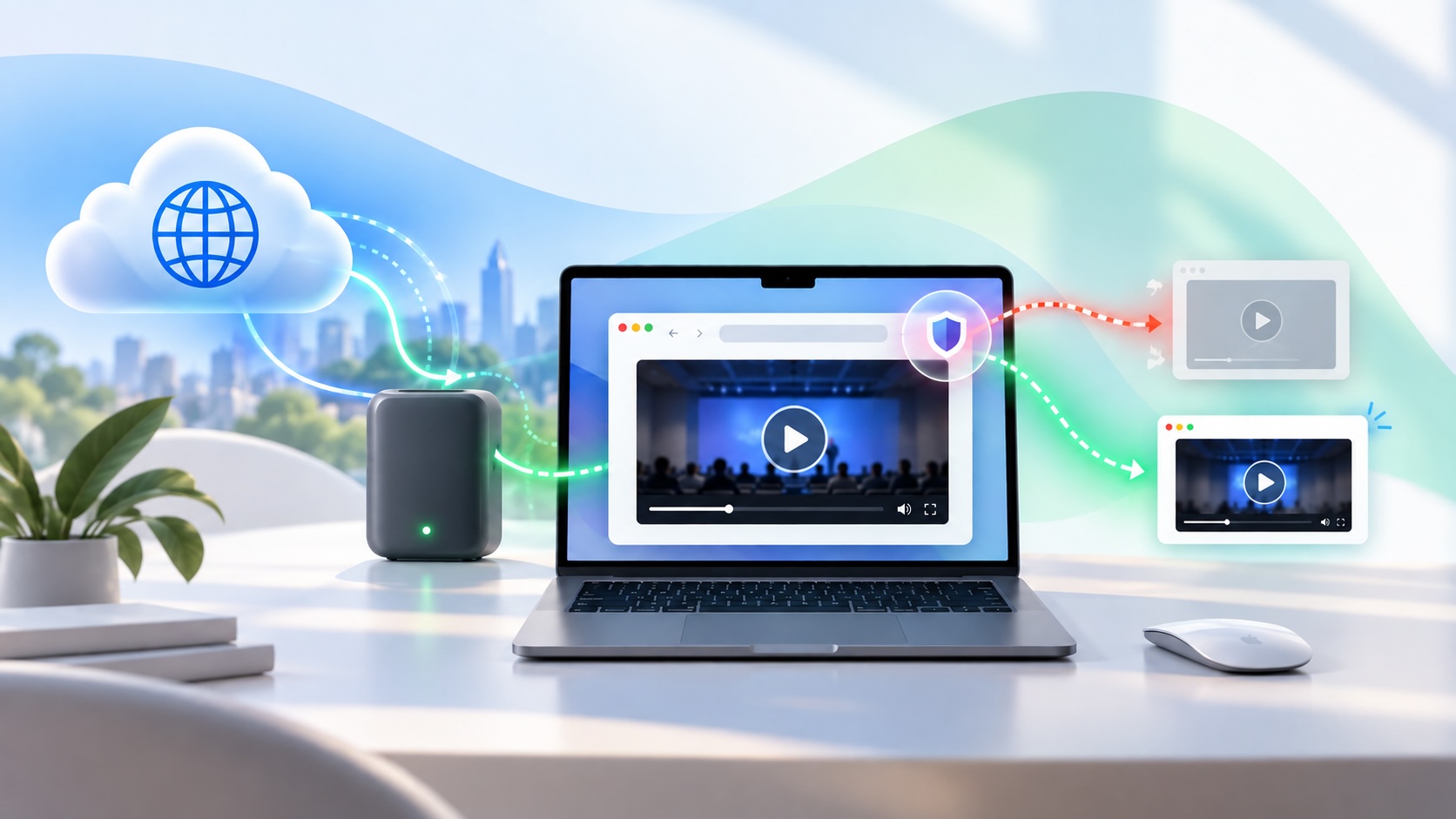
When Chromium Mistakes Your VPN for a Local Network
Turning off Jamf Trust fixed the webinar, which normally would have sent me straight to its routing policies. This time the route was fine: Chromium was treating Jamf's ZTNA broker addresses as a local network, and an Edge and Chrome preference corrected it.
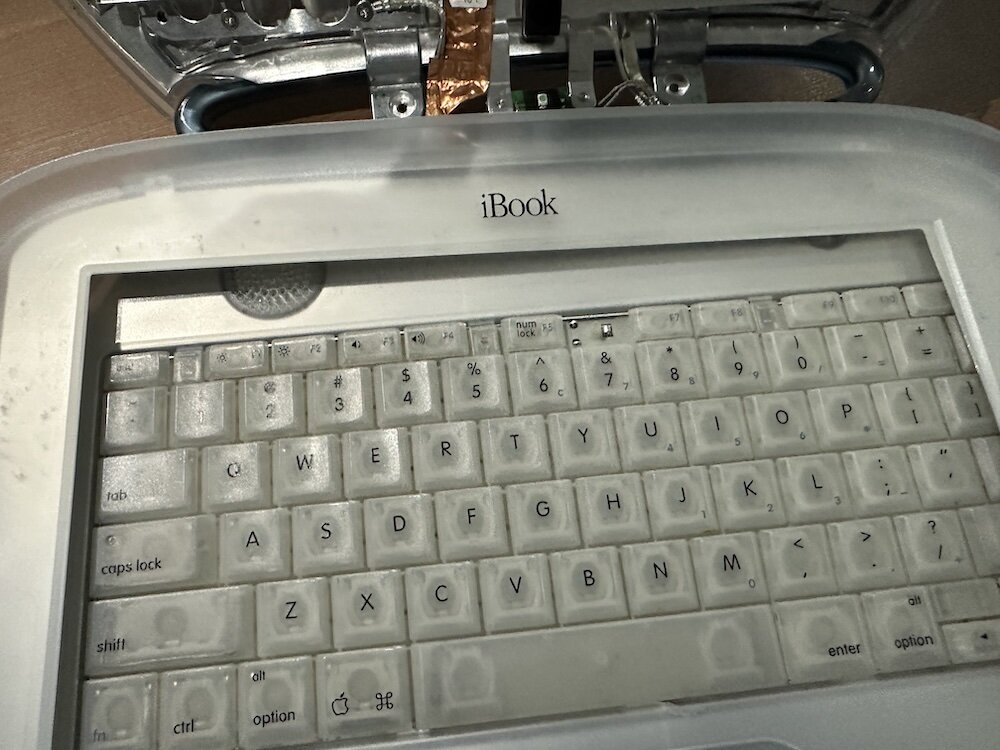
Clamshell iBook G3 Restoration, Part 1: From Broken Screen to Board-Level Repair
Part one of a Clamshell iBook G3 restoration: a broken screen, a charger detour, a blinking system folder, a full teardown, and the backlight connector mistake that paused the project.
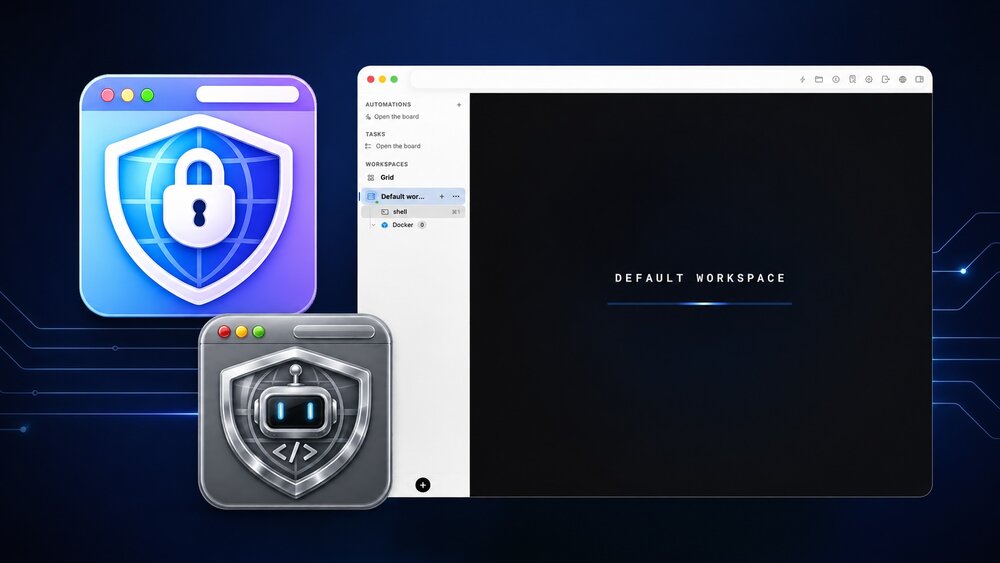
Bromure Gives Codex a Room of Its Own
I installed Bromure Agentic Coding, watched it build the Linux VM, authenticated Codex, and followed a real Codex task through the workspace.
Claude Code Auto Mode Changes Approval Flow, Not the Safety Boundary
Claude Code Auto mode changes how approval decisions are handled. It does not expand the boundary of what the coding agent should be allowed to do.
Amnesia Stealer Shows the Next Stage of ClickFix on macOS
Amnesia Stealer shows how ClickFix-style social engineering is adapting on macOS, while a public malware sample gives defenders an opportunity to study the behavior behind the campaign.
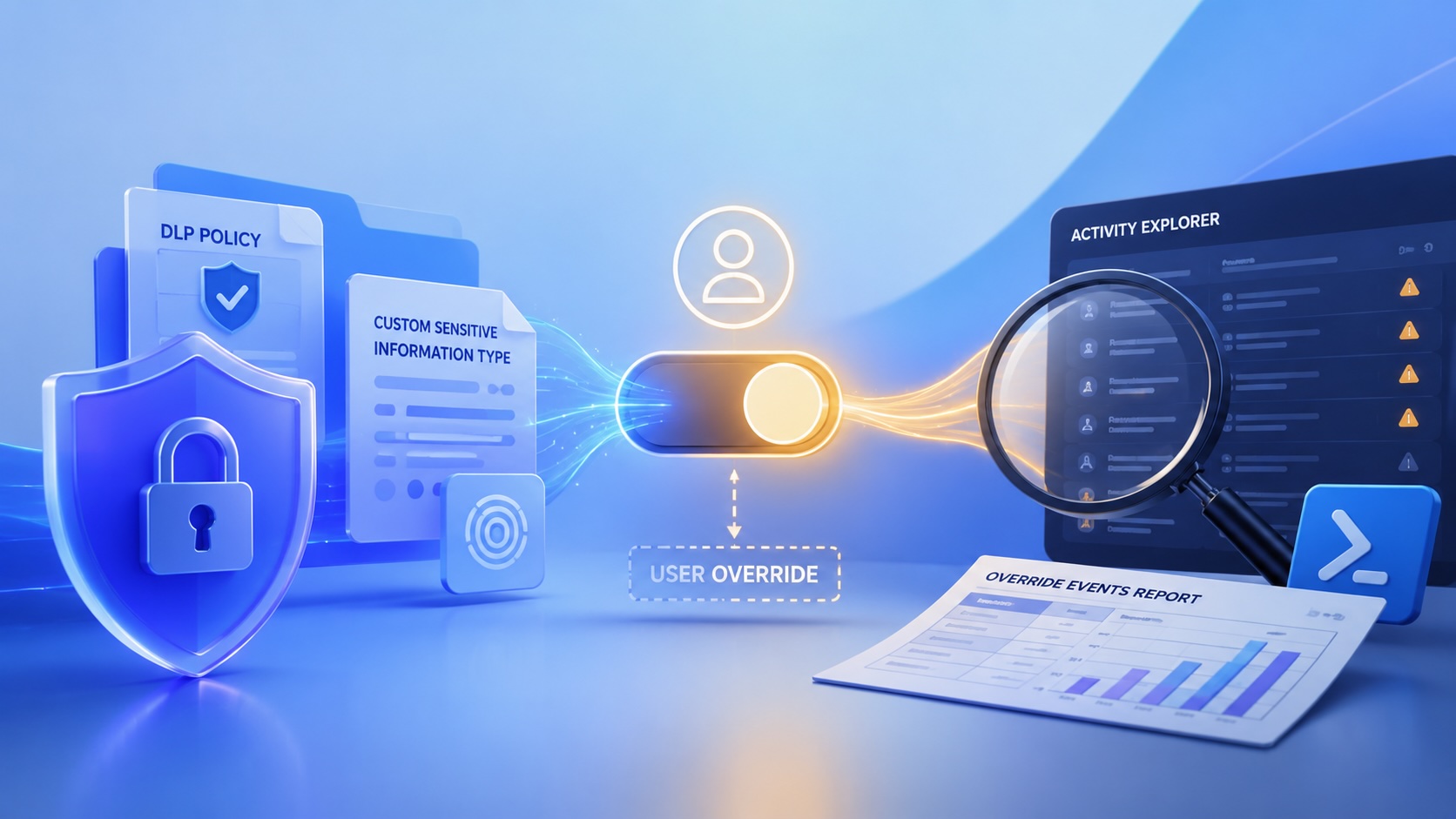
Reporting on Microsoft 365 DLP Overrides with PowerShell
DLP overrides are not automatically bad. They are a business process that needs visibility. This walkthrough covers a Microsoft Purview DLP policy, a custom sensitive information type, user override behavior, and a PowerShell report that exports override events from Activity Explorer.
PowerBook 140 BlueSCSI Install: Cable Fixed, Battery-Bay Power, and Wi-Fi Setup
The PowerBook 140 project moved from preparing a BlueSCSI card in Basilisk II to installing the repaired internal SCSI cable, powering the BlueSCSI Pico externally from the battery bay, booting System 7.1, and fighting through DaynaPORT Wi-Fi setup.
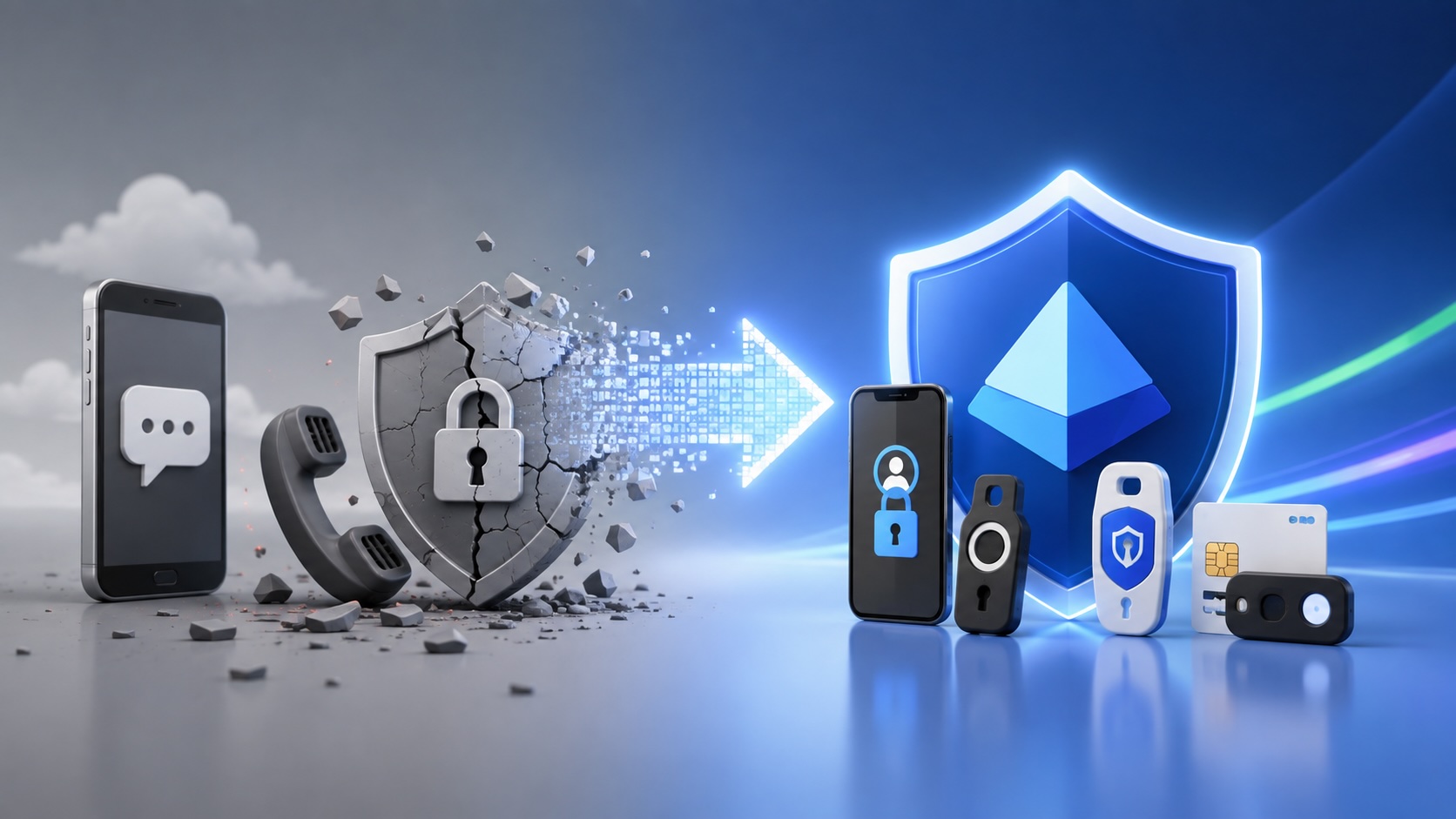
Move Entra Users Off SMS and Voice Before Microsoft Retires Them
Microsoft is retiring Microsoft-provided SMS and voice authentication in Entra ID. The migration is not passkeys for everyone; it is removing weak telecom MFA and choosing supported replacement methods such as Microsoft Authenticator, FIDO2 keys, certificate-based authentication, OATH hardware tokens, or customer-managed telecom.
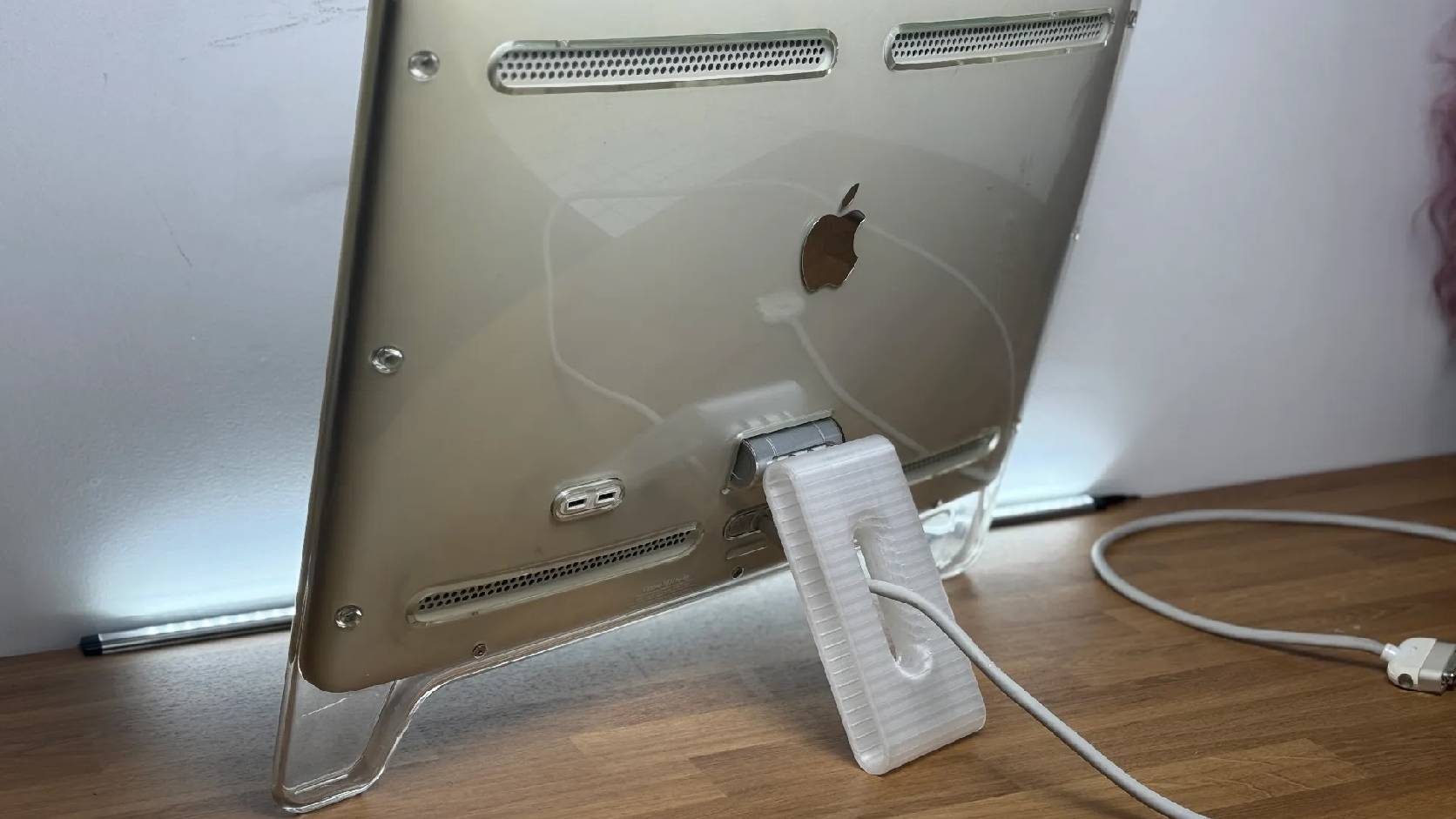
Fixing a Broken Apple Cinema Display Stand with a 3D Printed Leg
A 22-inch Apple Cinema Display arrived with a broken acrylic easel stand, so I used a 3D printed replacement leg instead of sending the monitor back.

macOS Tahoe 26.6.1 Fixes a High-Severity Screen Sharing Authentication Bypass
macOS Tahoe 26.6.1 fixes CVE-2026-65400, a high-severity Screen Sharing authentication issue where an attacker on the network may be able to authenticate without valid credentials.